When private individuals want to relinquish a senior pet, our mission is to be able to offer advice to try to keep the senior pet in the home. For example, sometimes a house-soiling problem can be controlled by the use of a belly band, the introduction of puppy pads, or even canine or feline diapers. We also assist senior pet parents who may be having difficulty affording vet care, medication, or even just basic necessities. Our priority is to try and keep senior pets in their homes, rescue senior pets who have been relinquished to a shelter, and help senior people keep their own pets.
Too often, senior pets are outright abandoned, which is when we offer help in finding them a safe place to land. We are unable to accept owner-surrendered pets at this time, as we do not yet have a sanctuary. It is our goal to learn about any issues prior to a surrender or abandonment, however if that is not the case, we do our best to keep senior pets out of high-kill shelters and offer financial assistance until they can be placed in a foster home or a forever home.

Donations are a critical part of our mission, as we cannot help without the resources to sustain what we do. Keeping a senior pet in their home through common sense solutions, or helping a senior person afford their current pet is far less expensive than trying to re-home a senior pet. It is also far less traumatic for everyone concerned . . . . especially the senior pet. Shelters can be quite scary and confusing to a pet who has been abandoned. Even though most pets are very resilient, it is preferential to keep them out of the shelters and in happy homes. Please, won't you help us sustain our mission by making a generous donation today?! No amount is too small. Many raindrops fill an ocean.
Who can resist those big brown eyes and cute doggie grin? Can a little reward from the table really hurt your dog? Well, that depends on what it is and what's in it. A chip with guacamole can cause your dog some real problems. In fact, there's a lot of people food your dog should never eat. And, it's not just because of weight. Some foods are downright dangerous for dogs ~ and some of these common foods may surprise you.
Avocado ~ No matter how good you think the guacamole is, you shouldn't give it to your dog. Avocados contain a substance called persin. It's harmless for humans who aren't allergic. But large amounts might be toxic to dogs. If you happen to be growing avocados at home, keep your dog away from the plants. Persin is in the leaves, seed, and bark, as well as in the fruit.
Alcohol ~ Beer, liquor, wine, foods containing alcohol ~ none of it's good for your dog. That's because alcohol has the same effect on a dog's liver and brain that it has on humans. But it takes far less to do its damage. Just a little can cause vomiting, diarrhea, central nervous system depression, problems with coordination, difficulty breathing, coma, even death. And the smaller the dog, the greater the effect.
Onions and Garlic ~ Onions and garlic in all forms ~ powdered, raw, cooked, or dehydrated ~ can destroy a dog's red blood cells, leading to anemia. That can happen even with the onion powder found in some baby food. An occasional small dose is probably OK. But just eating a large quantity once or eating smaller amounts regularly can cause poisoning. Symptoms of anemia include weakness, vomiting, little interest in food, dullness, and breathlessness.
Coffee, Tea, and Other Caffeine ~ Caffeine in large enough quantities can be fatal for a dog. And, there is no antidote. Symptoms of caffeine poisoning include restlessness, rapid breathing, heart palpitations, muscle tremors, fits, and bleeding. In addition to tea and coffee ~ including beans and grounds ~ caffeine can be found in cocoa, chocolate, colas, and stimulant drinks such as Red Bull. It's also in some cold medicines and pain killers.
Grapes and Raisins ~ Grapes and raisins have often been used as treats for dogs. But it's not a good idea. Although it isn't clear why, grapes and raisins can cause kidney failure in dogs. And just a small amount can make a dog ill. Repeated vomiting is an early sign. Within a day, the dog will become lethargic and depressed. The best prevention is to keep grapes and raisins off counters and other places your dog can reach.

Milk and Other Dairy Products ~ On a hot day, it may be tempting to share your ice cream cone with your dog. But if your dog could, it would thank you for not doing so. Milk and milk-based products can cause diarrhea and other digestive upset as well as set up food allergies (which often manifest as itchiness).
Macadamia Nuts ~ Dogs should not eat macadamia nuts or foods containing macadamia nuts because they can be fatal. As few as six raw or roasted macadamia nuts can make a dog ill. Symptoms of poisoning include muscle tremors, weakness or paralysis of the hindquarters, vomiting, elevated body temperature, and rapid heart rate. Eating chocolate with the nuts will make symptoms worse, possibly leading to death.
Candy and Gum ~ Candy, gum, toothpaste, baked goods, and some diet foods are sweetened with xylitol. Xylitol can cause an increase in the insulin circulating through your dog's body. That can cause your dog's blood sugar to drop and can also cause liver failure. Initial symptoms include vomiting, lethargy, and loss of coordination. Eventually, the dog may have seizures. Liver failure can occur within just a few days.
 Chocolate ~ Most people know that chocolate is bad for dogs. The toxic agent in chocolate is theobromine. It's in all kinds of chocolate, even white chocolate. The most dangerous kinds, though, are dark chocolate, chocolate mulch, and unsweetened baking chocolate. Eating chocolate, even just licking the icing bowl, can cause a dog to vomit, have diarrhea, and be excessively thirsty. It can also cause abnormal heart rhythm, tremors, seizures, and death.
Fat Trimmings and Bones ~ Table scraps often contain meat fat that a human didn't eat and bones. Both are dangerous for dogs. Fat trimmed from meat, both cooked and uncooked, can cause pancreatitis in dogs. And, although it seems natural to give a dog a bone, a dog can choke on it. Bones can also splinter and cause an obstruction or lacerations of your dog's digestive system. It's best to just forget about the doggie bag.
Persimmons, Peaches, and Plums ~ The problem with these fruits is the seeds or pits. The seeds from persimmons can cause inflammation of the small intestine in dogs. They can also cause intestinal obstruction. Obstruction is also a possibility if a dog eats the pit from a peach or plum. Plus, peach and plum pits contain cyanide, which is poisonous to both humans and dogs. The difference is humans know not to eat them. Dogs don't.

Raw Eggs ~ There are two problems with giving your dog raw eggs. The first is the possibility of food poisoning from bacteria like Salmonella or E. coli. The second is that an enzyme in raw eggs interferes with the absorption of a particular B vitamin. This can cause skin problems as well as problems with your dog's coat if raw eggs are fed for a long time.
Raw Meat and Fish ~ Raw meat and raw fish, like raw eggs, can contain bacteria that causes food poisoning. In addition, certain kinds of fish such as salmon, trout, shad, or sturgeon can contain a parasite that causes "fish disease" or "salmon poisoning disease." If not treated, the disease can be fatal within two weeks. The first signs of illness are vomiting, fever, and big lymph nodes. Thoroughly cooking the fish will kill the parasite and protect your dog.
Salt ~ It's not a good idea to share salty foods like chips or pretzels with your dog. Eating too much salt can cause excessive thirst and urination and lead to sodium ion poisoning. Symptoms of too much salt include vomiting, diarrhea, depression, tremors, elevated body temperature, and seizures. It may even cause death.
Sugary Foods and Drinks ~ Too much sugar can do the same thing to dogs that it does to humans. It can lead to obesity, dental problems, and possibly the onset of diabetes.

Yeast Dough ~ Before it's baked, bread dough needs to rise. And, that's exactly what it would do in your dog's stomach if your dog ate it. As it swells inside, the dough can stretch the dog's abdomen and cause severe pain. In addition, when the yeast ferments the dough to make it rise, it produces alcohol that can lead to alcohol poisoning.
Your Medicine ~ Reaction to a drug commonly prescribed for humans is the most common cause of poisoning in dogs. Just as you would do for your children, keep all medicines out of your dog's reach. And, never give your dog any over-the-counter medicine unless told to do so by your vet. Ingredients such as acetaminophen or ibuprofen are common in pain relievers and cold medicine. And, they can be deadly for your dog.
Kitchen Pantry: No Dogs Allowed ~ Many other items commonly found on kitchen shelves can harm your dog. For instance, baking powder and baking soda are both highly toxic. So are nutmeg and other spices. Keeping food items high enough to be out of your dog's reach and keeping pantry doors closed will help protect your dog from serious food-related illness.
If Your Dog Eats What It Shouldn't ~ Dogs explore with their mouth. And, no matter how cautious you are, it's possible your dog can find and swallow what it shouldn't. It's a smart idea to always keep the number of your local vet, the closest emergency clinic, and the ASPCA Animal Poison Control Center ~ (888) 426-4435 ~ where you know you can find it in an emergency. And, if you think your dog has consumed something that's toxic, call for emergency help at once.
What Dogs CAN Eat ~ You can ensure your dog has a healthy, well-balanced diet by asking your vet to recommend a quality dog food. A well-designed dog food gives your pet all the nutrients it needs for an active and healthy life. But that doesn't mean you can't sometimes give your dog human food as a special treat -- as long as portions are limited, and the foods are cooked, pure, and not fatty or heavily seasoned. See the next few slides for some tasty suggestions. But if you're looking to human food as a meal replacement, talk to your vet about amounts and frequency.
Safe: Lean Meats ~ Most dogs are fine eating lean cuts of meat that have been thoroughly cooked. Be sure to remove all visible fat ~ including the skin on poultry. Also be sure that there are no bones in the meat before you give it to your dog.
Safe: Some Fresh Fruits ~ Slices of apples, oranges, bananas, and watermelon make tasty treats for your dog. Be sure to remove any seeds first, though. Seeds, stems, and leaves can cause serious problems.
Safe: Some Vegetables ~ Your dog can have a healthy snack of carrot sticks, green beans, cucumber slices, or zucchini slices. Even a plain baked potato is OK. Be sure, though, not to let your dog eat any raw potatoes or any potato plants it might have access to in your garden.
Safe: Cooked White Rice and Pasta ~ Dogs may enjoy plain white rice or pasta after it's cooked. And, a serving of plain white rice with some boiled chicken can sometimes provide welcome relief from gastrointestinal upset.
What We Recommend:
Our dogs are special and, here at Life's Abundance, we are committed to providing our special friends with high quality health foods, effective nutritional solutions and supplements, treats with a healthy purpose and luxurious pet care products created to beautify and pamper your pup.
For the most part, your dog eats the same food every day. That is why carefully choosing a food is so important to your dog’s long-term health.
For nearly a decade, tens of thousands of dogs have been eating and thriving on Life’s Abundance foods. We attribute this success to our painstaking attention to detail. Each ingredient in Life’s Abundance food is carefully chosen to work with all the others to provide your dog with a wholesome, highly-nutritious and perfectly-balanced meal every day, every year . . . . over a long and loving lifetime.
With Life’s Abundance, you can be confident that you are feeding your dog advanced nutrition.
Why is Life’s Abundance Better?
Life’s Abundance foods are veterinarian-formulated with select ingredients to help your dog achieve optimum health. We use a “fast-cook” process at low temperatures to help preserve the nutritional value of each and every wholesome ingredient. And we maintain strict inventory controls to ensure the quality and safety of our foods.
Life’s Abundance foods are made with the finest ingredients, including . . . .
* A proprietary blend of vitamins and minerals
* High-quality protein from chicken meal for strong muscles
* An antioxidant system including vitamins A, C and E
* A selection of nutritious vegetables and fruits
* Omega-3 fatty acids for healthy skin and a shiny coat
* Calcium and phosphorus for healthy teeth and strong bones
* Dietary fiber to help maintain a healthy digestive tract
Since we use only wholesome ingredient, this formula contains . . . .
* No artificial flavors
* No artificial colors
* No corn or corn gluten
* No wheat or wheat gluten
Life’s Abundance delivers concentrated nutrition in every bowl.
* A balanced blend of calcium and phosphorous to support growing and aging bones
* Our kibble has tested extremely positively with both puppies and adult dogs, regardless of breed or size
* Optimal protein levels for growing puppies and adults
* Unique blend of antioxidants that support dogs throughout their life cycle
Choose Life’s Abundance for your dog because a recipe for a better life is more than meeting minimum requirements.
To request samples of our pet food, treats, or supplements, please contact us via the Contact Us! page on this blog or via email at Raven@TheGiftedPet.com!
* * * * * * * * * * *
Raven is an engaging entrepreneur who encourages others to celebrate pets as part of the family, as well as keep them happy, healthy, and spoiled with her online specialty pet boutique (http://www.TheGiftedPet.com), and premium pet food business (http://www.PremiumPetFoodStore.com)
For more information, please visit her Facebook page to PM her (https://www.facebook.com/TheGiftedPet), or email her at Raven@TheGiftedPet.com
Because they're such picky eaters, we sometimes think cats know what’s best for them when it's time to eat. But the fact they'll walk away from a piece of bad meat doesn't mean they'll bypass an open can of tuna. And that can of tuna can be just as dangerous. In fact, you may be surprised to learn some of the common foods your cats should never eat.
Tuna ~ Cats can be addicted to tuna, whether it's packed for cats or for humans. Some tuna now and then probably won't hurt. But a steady diet of tuna prepared for humans can lead to malnutrition because it won't have all the nutrients a cat needs. And, too much tuna can cause mercury poisoning. Remember the saying, "Honest as a cat when the meat's out of reach." Your cat will see an open can of tuna next to the sink as a dinner invitation.
Onions, Garlic, Chives ~ Onion in all forms ~ powdered, raw, cooked, or dehydrated ~ can break down a cat's red blood cells, leading to anemia. That's true even for the onion powder that's found in some baby foods. An occasional small dose probably won't hurt. But eating a large quantity once or eating smaller amounts regularly can cause onion poisoning. Along with onions, garlic and chives can cause gastrointestinal upset.
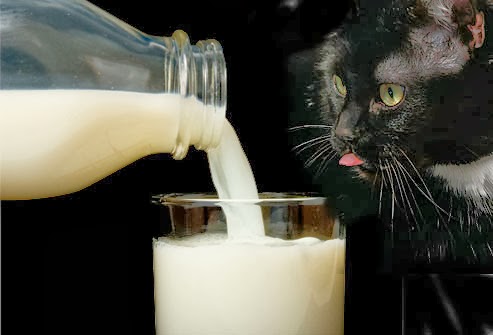
Milk and Other Dairy Products ~ What could be wrong with offering your cat a saucer of milk or a piece of cheese? Although kittens are able to tolerate milk, most adult cats cannot. Their digestive system cannot process dairy foods, and the result can be digestive upset with diarrhea.
Alcohol ~ Beer, liquor, wine, foods containing alcohol -- none of it is good for your cat. That's because alcohol has the same effect on a cat's liver and brain that it has on humans. But it takes far less to do its damage. Just two teaspoons of whiskey can cause a coma in a 5-pound cat, and one more teaspoon could kill it. The higher the proof, the worse the symptoms.
Grapes and Raisins ~ Grapes and raisins have often been used as treats for pets. But it's not a good idea. Although it isn't clear why, grapes and raisins can cause kidney failure in cats. And, a small amount can make a cat ill. Repeated vomiting and hyperactivity are early signs. Although some cats show no ill effects, it's best not to give your cat any grapes and to keep grapes and raisins off countertops and other places accessible to your cat.
 Caffeine ~ Caffeine in large enough quantities can be fatal for a cat. And there is no antidote. Symptoms of caffeine poisoning include restlessness, rapid breathing, heart palpitations, muscle tremors, and fits. In addition to tea and coffee ~ including beans and grounds ~ caffeine can be found in cocoa, chocolate, colas, and stimulant drinks such as Red Bull. It's also in some cold medicines and painkillers.
Chocolate ~ Chocolate can be lethal for cats. Although most cats won't eat it on their own, they can be coaxed to eat it by owners and others who think they are giving the cat a treat. The toxic agent in chocolate is theobromine. It's in all kinds of chocolate, even white chocolate. The most dangerous kinds, though, are dark chocolate and unsweetened baking chocolate. Eating chocolate can cause abnormal heart rhythm, tremors, seizures, and death.
 Candy and Gum ~ Candy, gum, toothpaste, baked goods, and some diet foods are sweetened with xylitol. Xylitol can cause an increase in the insulin circulating through your cat's body, which will cause the cat's blood sugar to drop. Xylitol can also lead to liver failure. Initial symptoms include vomiting, lethargy, and loss of coordination. The cat may have seizures soon after ingesting the xylitol, and liver failure can occur within just a few days.
Fat Trimmings and Bones ~ Table scraps often contain fat trimmed off of meat and bones. Both fat and bones may be dangerous for cats. Fat, both cooked and uncooked, can cause intestinal upset, with vomiting and diarrhea. And a cat can choke on a bone. Bones can also splinter and cause an obstruction or lacerations of your cat's digestive system.
Raw Eggs ~ There are two problems with giving your cat raw eggs. The first is the possibility of food poisoning from bacteria like salmonella or E. coli. The second is that a protein in raw egg whites, called avidin, interferes with the absorption of the B vitamin biotin. This can cause skin problems as well as problems with your cat's coat.
Raw Meat and Fish ~ Raw meat and raw fish, like raw eggs, can contain bacteria that cause food poisoning. In addition, an enzyme in raw fish destroys thiamine, which is an essential B vitamin for your cat. A lack of thiamine can cause serious neurological problems and lead to convulsions and coma.
 Dog Food ~ An occasional bite of dog food won't hurt your cat. But dog food is not a substitute for cat food. They do have many of the same ingredients. But cat food is specially formulated for a cat's needs, which include more protein as well as certain vitamins and fatty acids. A steady diet of dog food can cause your cat to be severely malnourished.
Liver ~ Small amounts of liver are OK, but eating too much liver can cause vitamin A toxicity. This is a serious condition that can affect your cat's bones. Symptoms include deformed bones, bone growths on the elbows and spine, and osteoporosis. Vitamin A toxicity can also cause death.
Too Many Treats ~ Eating too much too often can do the same thing to cats that it does to humans. It can lead to obesity and even diabetes.
Yeast Dough ~ Before it's baked, bread dough needs to rise. And, that's exactly what it would do in your cat's stomach if your cat ate it. As it swells inside, the dough can stretch the abdomen and cause severe pain. In addition, when the yeast ferments the dough to make it rise, it produces alcohol that can lead to alcohol poisoning.
 Your Medicine ~ Ingesting a drug prescribed for humans is one of the most common causes of poisoning in cats. Just as you would do for your children, put all medicines where your cat can't get to them. And never give your cat any over-the-counter medicine unless advised to do so by your vet. Ingredients such as acetaminophen or ibuprofen are common in pain relievers and cold medicine. And they can be deadly for your cat.
Kitchen Pantry: No Cats Allowed ~ Many other items commonly found on kitchen shelves can harm your cat. Keeping food items where your cat can't get to them and keeping pantry and cupboard doors closed will help protect your cat from serious food-related illness.
If Your Cat Eats What It Shouldn't ~ No matter how cautious you are, it's possible your cat can find and swallow what it shouldn't. It's a smart idea to always keep the number of your local vet, the closest emergency clinic, and the ASPCA Animal Poison Control Center ~ (888) 426-4435 ~ where you know you can find it in an emergency. And if you think your cat has consumed something that's toxic, call for emergency help at once.
What Cats CAN Eat!!
Cats are carnivores and need meat. An occasional taste of cooked meat or brown rice can be an OK treat. But it's best to keep it small and infrequent.
What We Recommend:
Our cats are special and, here at Life's Abundance, we are committed to providing our soulful friends with high-quality health foods, effective nutritional solutions and supplements, treats with a healthy purpose and luxurious pet care products created to beautify and pamper your feline.
Life's Abundance Wet Food ~ Instinctive Choice Premium Canned Food is formulated to provide your cat with a meal that is similar in nutrition and moisture to how a feline would feed in the wild. Instinct is king with cats and they will purr over this protein rich food, which contains organic chicken, turkey, chicken liver and shrimp. Why should you choose Instinctive Choice for your cat? It’s not only what’s in Instinctive Choice that makes it the ultimate canned cat food, it’s what is not in it.
What's NOT in Instinctive Choice. Instinctive Choice does not contain fruits like apples, vegetables like carrots or grains like corn. Although carbohydrates like these are used in dry foods to form the nuggets, they are not necessary in canned foods. Instinctive Choice gives you the ability to feed your cat closer to how a feline would feed in the wild.
Instinctive Choice does NOT contain corn or corn gluten, wheat or wheat gluten, artificial colors or artificial preservatives.
What IS in Instinctive Choice. Because modern house cats evolved from desert felines who acquired fluids primarily from prey, they naturally have a weak thirst drive. Adequate water intake is necessary for a healthy urinary tract and other biological processes. To suit their needs, Instinctive Choice contains chicken broth along with high-quality proteins from organic chicken, turkey, chicken liver and shrimp. We added omega-3 and omega-6 fatty acids, taurine, vitamins, minerals and antioxidants. Taken all together, these ingredients satisfy your cat’s instinctive and nutritional requirements. To top it off, this succulent meal has a savory flavor that your kitten or cat will love. With Instinctive Choice, you can finally give your cat what she truly craves, with the water content and nutrition she needs to thrive.
Life's Abundance Dry Food ~ Life’s Abundance Premium Health Food is made with select ingredients, including a delectable blend of high-quality chicken, catfish and turkey meals, wholesome grains, omega fatty acids and much more. We never use corn or wheat products, and we never use artificial flavors or colors. With Life’s Abundance, you can be confident that you are feeding your cat advanced nutrition.
Life's Abundance Gourmet Cat Treats Most cats spend a good portion of their waking hours grooming themselves and often loose hair is swallowed, which can lead to an accumulation in the stomach. Dr. Jane believes that healthy skin and a strong, resilient coat begin on the inside and that is why she formulated Life’s Abundance Gourmet Cat Treats For Healthy Skin & Coat. These savory nuggets are feline-friendly, and they feature a deliciously appetizing flavor that will delight even the most finicky of cats. Try our veterinarian-formulated Life’s Abundance Gourmet Cat Treats For Healthy Skin & Coat today.
Life's Abundance Wellness Supplement for Cats provides a wide variety of nutritious ingredients in a formula that enhances your cat’s daily diet, to help promote optimal health and wellness. The shape, size and savory flavor of the nuggets in this supplement are appealing to even the most finicky of cats.
To request samples of our pet food, treats, or supplements, please contact us via the Contact Us! form on this blog or via email at Raven@TheGiftedPet.com!
* * * * * * * * * * *
Raven is an engaging entrepreneur who encourages others to celebrate pets as part of the family, as well as keep them happy, healthy, and spoiled with her online specialty pet boutique (http://www.TheGiftedPet.com), and premium pet food business (http://www.PremiumPetFoodStore.com)
For more information, please visit her Facebook page to PM her (https://www.facebook.com/TheGiftedPet), or email her at Raven@TheGiftedPet.com
When you can’t take your pet along with you, a pet sitter can care for your pet(s) temporarily. Naturally, it’s important to share all the necessary information
about your pet with your sitter ~ but what information is that? You might notice that taking care of your pet has become so habitual; all you can come up with is the vet’s phone number! The following checklist can help you remember the important information that will assure that your pet gets the best care in any contingency.
DIET
It’s tempting just to say, “Oh ~ just give him a couple of handfuls of this stuff twice a day.” Instead, help out your pet sitter by sharing information that will make the transition easier for both human and pet(s), such as:
* Typical feeding schedule
* What your pet eats, and how much
* Foods your pets are allergic to or intolerant of
* Where in the house your pets are accustomed to eating
* Which feeding dishes to use.
HEALTH ISSUES
Naturally, you’ll tell the pet sitter any immediate major health issues that need attending to. But also list your pet's age, previous health problems and all current medical conditions, such as hearing difficulties, allergies, heart problems, etc. Make sure the pet sitter understands what they mean in terms of special care requirements. For instance, a diabetic dog might need to be let out more frequently than a non-diabetic dog, or that your kitty might race for the door every time someone enters, which, when you have an indoor kitty, is not what you want happening. Note for the pet sitter what symptoms and problems to watch out for and what to do for each.
MEDICATIONS
Even if the pet sitter is only watching your pet for a short period of time, it’s a good idea to give him or her detailed information about the medicines and supplements prescribed to your pet ~ plans do change, after all. Note the names and locations of all prescribed medications as well as dosages, drug interactions, and the times to administer them. Also important is how to give the medicine: Does your dog only take her pill with a particular food? Will there be injections for your cat? You get the idea! More is better when it comes to necessary information!
EMERGENCY CONTACTS
In the event that something goes wrong or the pet sitter merely has a question, list neatly and legibly all the following names, phone numbers, locations, and email addresses:
1. Your name, cell phone number, email address, and land line number if applicable
2. The name and phone number of your pet's regular veterinarian
3. The name and phone number of the nearest emergency veterinary hospital, if applicable. (Our vet does not handle emergencies, however they refer to another vet nearby).
WALKING
Walking dogs may be a pet sitter’s specialty, but a good pet sitter knows that each dog is different and each day is different. Let the dog sitter know how often you walk your dog, how long each walk is, and how far. Will bodies of water be a swimming temptation? Is the dog likely to pull on the harness or lead? Share general information like how much exercise your dog needs and how he reacts to other dogs, to animals, and to kids. Also, share concrete details such as:
* Which harness to use, and how;
* Is any weather protection necessary? (Our dog refused to go out in wet / snowy weather without boots and a raincoat or sweater, as he did not like wet feets or fur!);
* The preferred walking route.
PLAY TIME
Ask how the time increments work with your pet sitter. Our pet sitter gives us the option of a 20-minute visit for a cat at a slight discount, or a 30-minute visit for a dog, or other increments of 45 minutes for multiple pets, or an hour if additional time is needed. We can mix and match these blocks of time as needed, which makes it nice flexibility-wise. Your dog may require some extra attention. Or, you may wish to have your pet sitter play with kitty for awhile. Some pet sitters will even bring in your mail, clean up any accidents your pets may have, water your plants, and even rotate your lights (on and off) to give the appearance of someone being home. We sometimes leave the TV on and have our pet sitter change the channel during their visits, or put on some soothing music.
QUESTIONS
Sometimes pet sitters need help with a judgement call. Encourage your pet sitter to contact you as often as you want to be contacted.
Lastly, don’t just TELL the pet sitter all of the above; it’s too easy both for you and the pet sitter to forget an onslaught of details given all at once. Plus, a good, reliable pet sitter always has more than a few clients going at the same time, so you generally won't be their only responsibility. Type or write a list that the sitter can consult any time. Taking this simple precaution can make all the difference in easing pet dog comfortably and safely into this new experience and help you trust that your pets are in good hands.
ASK YOUR PET SITTER . . .
1. Are they licensed, bonded and insured?
2. Can they provide you with references? (In our case, we found our pet sitter via a service, so we know they've been thoroughly background checked!)
3. How long have they been pet sitting?
Ease your mind with these and any other questions you might have. After all, you are entrusting your pets and access to your home to this person, so do your homework and take that trip with peace of mind! ♥