Showing posts with label Pet Nutrition. Show all posts

Thursday, May 19, 2016

Pet Food Super Powers by Dr. Jane Bicks


Believe it or not, it wasn’t until nearly the 20th Century that pet food was something distinct from scraps derived from human diets. However, only in the past four decades has the emphasis on health promotion entered the mix. Some of our readers will no doubt recall the “Gravy Train” commercials of the 70’s. Pet food certainly has changed dramatically since those days!
Back in 1999, our company was born of the true revolution in health-promoting diets for companion animals. As a holistic veterinarian formulator, I’m proud to say our nourishing formulas have made a real difference for the dogs and cats who enjoy our products every day.
As many Life’s Abundance customers have witnessed firsthand, simply feeding a dog or cat appropriate nutrition can go a long way in promoting health. But how exactly does food alone help to protect wellness? In the following, we’ll explore four ways that nutrition packs a powerful punch!
Edible Immune Protection
One of the best ways you can protect your pet kid is by building up his or her immune system. The scientific evidence is clear … a stressed body has a lower immunity compared to a non-stressed individual. Veterinary behaviorists are just discovering sources of stress in companion animals. Many focus on domesticated cats, who have on the evolutionary scale only just recently made the switch to indoor living. Even though we don’t know all the things that cause stress, or even recognize all the symptoms of stress in pet kids, we do know that actively trying to improve their immunity with proper nutrition is worthwhile.
At Life’s Abundance, we were one of the first to add fruits and vegetables to our formulas. They naturally offer huge amounts of flavanoids, vitamin E, C and so much more. Antioxidants are just one of the many reasons doctors and dieticians say, “eat your fruits and veggies!” A 2002 study suggests that antioxidant supplementation can achieve sustained increases in circulating levels of antioxidants that exert a protective effect by a decrease in DNA damage, leading to improved immunological performance.
Our formulas feature guaranteed levels of Vitamin E and C, as well as guaranteed amounts of probiotics, important to gut health and immunity.


Healthy Joints
Joint health, which affects one’s ability to get around, is obviously important to your pet kid’s quality of life. Foods and dietary supplements that contain natural sources of glucosamine and chondroitin sulfate have been scientifically shown to promote cartilage, joint and connective tissue health. This is done by decreasing the enzymatic activity that breaks down cartilage in canine joints. These compounds, along with other synergistic ingredients, are found in Life’s Abundance Agility Supplement.
Possibly even more important to your pet kid’s joint health is maintaining a healthy, size and breed-appropriate weight. Your first clue that your dog or cat is too heavy is when you cannot easily distinguish the ribs (and the spaces between them). Measure out proper meal proportions for your companion animal, using the recommended servings as a guideline, to help maintain an ideal weight. If your dog needs to shed excess pounds, I strongly encourage you to cut back on portions and consider switching to our Weight Loss Formula for Adult Dogs. Of course, I can’t stress enough the importance of regular exercise, which also supports joint and bone health.
Sharp Minds & Shiny Coats
For cats and dogs, skin and hair condition reflects overall health and well-being. If your cat has a matted, greasy coat, or your dog’s once shiny coat has grown dull over time, these are examples of the body sending clear messages that something is up and you should schedule an appointment with the veterinarian.
To maintain healthy skin and coat, dogs and cats need to eat the appropriate ratio of fatty acids. Dogs cannot produce omega-6 fatty acids on their own, so it’s vital that they consume sufficient amounts through diet. In fact, new research is highlighting the importance of adding omega-3 fatty acid supplements to daily intake as well, but in proper ratios with other fatty acids. Omega-3 fatty acids are particularly important for pregnant dogs and for puppies, as they are required for brain and retinal development.
Proper Digestion from Tip to Tail
Many people don’t realize, but your pet’s digestion starts with his or her teeth! Brushing your pet’s teeth at home, coupled with routine oral health check-ups at the vet, can have a phenomenally positive effect on your pet’s health. Giving your dog a daily dental treat and safe items to chew can benefit overall health and digestion.
And that’s just the beginning of a healthy digestive system. To keep things moving along the entire tract, all Life’s Abundance dry foods are formulated with prebiotic fiber, a plant-based carbohydrate that produces fatty acids. These fatty acids provide energy to the large intestine and promote overall health of the entire intestinal system.
We live in a very exciting and fortunate time. With all these advances in nutrition and veterinary medicine, our beloved pets will benefit, living longer and being healthier.

Learn more or get started on your pet's transition to better health. 
Samples available! 

www.PremiumPetFoodStore.com


REFERENCES:
Massimino S1, Kearns RJ, Loos KM, Burr J, Park JS, Chew B, Adams S, Hayek MG. Effects of age and dietary beta-carotene on immunological variables in dogs. J Vet Intern Med. 2003 Nov-Dec;17(6):835-42.
Heaton PR1, Reed CF, Mann SJ, Ransley R, Stevenson J, Charlton CJ, Smith BH, Harper EJ, Rawlings JM. Role of dietary antioxidants to protect against DNA damage in adult dogs. J Nutr. 2002 Jun;132(6 Suppl 2):1720S-4S

Thursday, April 30, 2015

Pet Lovers & Pet Professionals ~ Why Join Our Life's Abundance Team?!


1. Because You Love Pets: People often say that it’s a privilege to be able to earn a living doing something you love and are passionate about. I’ve met many people who are in all sorts of occupations, and have told me they would rather work with pets because that’s what they truly care about. Is that your story? We are offering people just like you the opportunity to earn an incredible income while helping pets in the most fundamental way . . . premium nutrition. 

2. Because We Offer the Best: When you put your name behind something, it better be something good. People will remember you for what you do and what you represent. With most home based opportunities, people will see you and run the other way. Not so here. Friends, family, and the general public will respect your choice to become a pet professional and will want to hear from you. The Life's Abundance products will speak for themselves as they improve pets lives, making you look good and not ruin your reputation. 

3. It’s An Exploding Industry: Pet product sales are a $53+ billion dollar industry. Pet stores are opening up everywhere. Ever heard of the expression, “right place, right time?” We are setting a new trend with the massive internet market. 

4. Opportunity to Work From Home: In the United States, over 21 million people enjoy the benefits of working from home. No set time to start or end work, no commute, no dress code, and no one watching over you all day. Plus, there is minimal overhead, unlike the thousands of dollars normally associated with opening a traditional business. 

5. Ease of Engagement: If you’ve ever tried sales before, you know that it makes a huge difference in your success if you sell something that people want to hear about. We all know what it’s like to be confronted with a telemarketer, or an insurance salesman, or the stereotypical “car salesman”. No one wants to be viewed as a pushy salesperson, and you definitely don’t want to be rejected by friends and family. With Life's Abundance, you do not have this problem. Talking about the care and well being of pets is a welcome subject with most people. In fact, people will often thank you for making a recommendation because you will probably be the only person they’ve ever talked to who is knowledgeable in this area. This “ease of engagement” makes it easy to approach people, and you’re not viewed as a salesperson. 

6. No Inventory Requirements: Most home based opportunities require you to load up on inventory through personal purchasing requirements or “buy your way to success” programs. At Life's Abundance, we impose no such requirements. In fact, it’s unheard of to offer pet foods profitably without buying large quantities of food in order to get preferential pricing. 

7. Tools to Ensure Success: Professional E-Commerce Website, Business Center / Back Office, Automated Newsletter System, Catalog Quality Brochures, Product Samples, DVDs, Weekly Training Calls, Personal Websites allowed, etc. 

8. Excellent Ongoing Support: You will ALWAYS have an upline of reps who will support you in your business. Plus, you have access to our founders, Dennis and Carol Berardi, as well as Dr. Jane Bicks, our holistic veterinarian and product formulator. 

9. Huge Market of Pet Parents and Pet Professionals: Getting customers for our products is never a problem. Many companies rely on their distributors as the source of their sales, but not Life's Abundance. People actually want what we have to offer. In fact, it doesn’t matter if you’re not a good sales person, our products actually sell themselves. But our business also allows you to leverage your efforts by building a sales force. As I’ve already stated, people love their pets and would do anything to have the chance to work with them if they could. But, what’s more, there are thousands of pet professionals out there who need this program. This includes everyone from veterinarians to trainers, groomers to pet sitters, rescues, shelters, day care, pet photographers, and more. When presented with our business, they quickly realize that it makes no sense to sell any other brand. This is a network marketing business that actually works. 

10. You Need a Residual Income: Not only will you want residual income at retirement (and before), but you’ll want it to be consistent. Nothing beats the consistent residual income stream that our products can provide. People stick with pet products that work! Plus our fresh, home delivered products are very habit forming and convenient for your clients. Also, building a solid team of representatives who will continue to make you money is easy to do because people have a built-in passion for pets. No recruiting treadmill as in other opportunities. 

Learn More & Join Our Team Today @ www.PremiumPetFoodBiz.com 


*  *  *  *  *  *  *  *  *  *  *


Raven is an engaging entrepreneur who encourages others to celebrate pets as part of the family, as well as keep them happy, healthy, and spoiled with her online specialty pet 
boutique ~  www.TheGiftedPet.com,  premium pet food business ~ http://www.PremiumPetFoodStore.com, and holistic healing therapies for animals ~ www.HealingOilsForAnimals.com

For questions and more information, please use the "Contact Us!" form.  Or, visit our Facebook page:  www.facebook.com/TheGiftedPet, or email us at Raven@TheGiftedPet.com


Thursday, April 2, 2015

Dog Weight Issues


Have you noticed that your dog is looking . . . well . . . a little rotund lately? A bit more curvaceous than usual? You’re not alone! Approximately 17 million dogs in the United States are classified as overweight. But just because Fido has lots of company doesn’t mean that he’s in the clear. Extra weight is linked to a variety of health problems, including arthritis, diabetes, heart disease, and high blood pressure.

How to Tell if Your Dog is Overweight ~ You know your dog better than anyone ~ so you’ve likely already noticed if he has gained weight over a relatively short period. But extra bulk is a bit more difficult to recognize if he’s been slowly packing on the pounds over the years. Here are two fail-safe ways to determine if Fido is at the correct weight:


Feel his ribs: Run your hands along his sides toward the tail, feeling for his ribs. If you can find them beneath a thin layer of flesh, he is probably at the correct weight. If you can barely feel them under a layer of fat, he is likely overweight.


View him from the top and side: A visual inspection of your dog’s body is also important. Look at his body from above. Does he have an hourglass shape, with a slight narrowing behind the rib cage? Also view the lines of his body from the side. Does his stomach tuck up behind the rib cage? If the answer to both questions is yes, he’s likely at the correct weight. If his body has no definition from above or from the side, he is probably overweight.


What to do if Your Dog is Overweight:


Take him to the vet: Have a vet examine your dog just to make sure that he isn’t experiencing a health problem. Some conditions, such as thyroid disease and Cushing’s disease, can cause rapid weight gain.


Cut back on meals: It’s quite possible that you’re feeding Fido too much at mealtimes. Often the serving size on commercial dog food labels advises a larger portion than is necessary for an individual dog. Every dog is different, and every dog also metabolizes food differently. With this in mind, start out with the recommended serving size but observe your dog carefully. If he looks like he’s gaining weight, slowly cut back on how much you’re feeding; if he appears to be losing weight, feed slightly more until he’s at the recommended weight for his breed. Then simply maintain the portion size that works for your dog.  You may also want to try feeding a quality, premium Weight Loss Formula for Adult Dogs!


Feed him on a schedule: Dogs who are “free-fed” ~ given access to their food bowls all day ~ are more likely to be overweight than those who eat on a regular schedule. To help keep Fido healthy, schedule his meals at consistent times and take his food bowl away after 10 to 15 minutes.


Provide healthy treats: Supplement correctly portioned meals with healthy, low-calorie treats, such as cut-up veggies, plain popcorn, or other healthy treats. Make sure that you account for the calories in treats when feeding your dog his meals ~ these should be subtracted from his total caloric allowance for the day.  For healthy, natural, never recalled wholesome treats, try Wholesome Hearts Baked Low-Fat Treats for Dogs.


Exercise him: Of course, any diet plan should be accompanied by the proper amount of exercise. Keep your dog active by making sure that he gets a few daily walks and multiple lively play periods ~ but work up to this gradually. An overweight dog won’t be able to sustain this kind of energy level overnight.


Continue to assess your dog’s progress on a monthly basis to be sure that he’s at a healthy weight, and maintain, maintain, maintain when he has reached his goal! A nutritious diet, meals fed on a regular schedule, and exercise will add years to his life. ♥


TIRED OF PET FOOD RECALLS?
Choose Life's Abundance Dog and Cat Food! They have NEVER been recalled and the food is shipped fresh to your door within 4-6 weeks of being made. They have been in business since 1999! Choose a pet food you can trust! This food is only sold online to ensure you receive the freshest food possible. Click Here to order.


Healthypet1
www.PremiumPetFoodStore.com


*   *   *   *   *   *   *   *   

Raven is an engaging entrepreneur who encourages others to celebrate pets as part of the family, as well as keep them happy, healthy, and spoiled with her online specialty pet boutique, premium pet food business, and holistic healing therapies. She is also a professional intuitive, spiritual coach, and holistic healer who works with the Angels, Ascended Masters, Spirit Guides, and Animal Spirit realms when counseling clients, which includes animals and people.

Sunday, March 2, 2014

Dangerous Foods Your Dog Should Never Eat!!


Who can resist those big brown eyes and cute doggie grin? Can a little reward from the table really hurt your dog? Well, that depends on what it is and what's in it. A chip with guacamole can cause your dog some real problems. In fact, there's a lot of people food your dog should never eat. And, it's not just because of weight. Some foods are downright dangerous for dogs ~ and some of these common foods may surprise you.


Avocado ~ No matter how good you think the guacamole is, you shouldn't give it to your dog. Avocados contain a substance called persin. It's harmless for humans who aren't allergic. But large amounts might be toxic to dogs. If you happen to be growing avocados at home, keep your dog away from the plants. Persin is in the leaves, seed, and bark, as well as in the fruit.


Alcohol ~ Beer, liquor, wine, foods containing alcohol ~ none of it's good for your dog. That's because alcohol has the same effect on a dog's liver and brain that it has on humans. But it takes far less to do its damage. Just a little can cause vomiting, diarrhea, central nervous system depression, problems with coordination, difficulty breathing, coma, even death. And the smaller the dog, the greater the effect.


Onions and Garlic ~ Onions and garlic in all forms ~ powdered, raw, cooked, or dehydrated ~ can destroy a dog's red blood cells, leading to anemia. That can happen even with the onion powder found in some baby food. An occasional small dose is probably OK. But just eating a large quantity once or eating smaller amounts regularly can cause poisoning. Symptoms of anemia include weakness, vomiting, little interest in food, dullness, and breathlessness.


Coffee, Tea, and Other Caffeine ~ Caffeine in large enough quantities can be fatal for a dog. And, there is no antidote. Symptoms of caffeine poisoning include restlessness, rapid breathing, heart palpitations, muscle tremors, fits, and bleeding. In addition to tea and coffee ~ including beans and grounds ~ caffeine can be found in cocoa, chocolate, colas, and stimulant drinks such as Red Bull. It's also in some cold medicines and pain killers.


Grapes and Raisins ~ Grapes and raisins have often been used as treats for dogs. But it's not a good idea. Although it isn't clear why, grapes and raisins can cause kidney failure in dogs. And just a small amount can make a dog ill. Repeated vomiting is an early sign. Within a day, the dog will become lethargic and depressed. The best prevention is to keep grapes and raisins off counters and other places your dog can reach.


Milk and Other Dairy Products ~ On a hot day, it may be tempting to share your ice cream cone with your dog. But if your dog could, it would thank you for not doing so. Milk and milk-based products can cause diarrhea and other digestive upset as well as set up food allergies (which often manifest as itchiness).


Macadamia Nuts ~ Dogs should not eat macadamia nuts or foods containing macadamia nuts because they can be fatal. As few as six raw or roasted macadamia nuts can make a dog ill. Symptoms of poisoning include muscle tremors, weakness or paralysis of the hindquarters, vomiting, elevated body temperature, and rapid heart rate. Eating chocolate with the nuts will make symptoms worse, possibly leading to death.

Candy and Gum ~ Candy, gum, toothpaste, baked goods, and some diet foods are sweetened with xylitol. Xylitol can cause an increase in the insulin circulating through your dog's body. That can cause your dog's blood sugar to drop and can also cause liver failure. Initial symptoms include vomiting, lethargy, and loss of coordination. Eventually, the dog may have seizures. Liver failure can occur within just a few days.


Chocolate ~ Most people know that chocolate is bad for dogs. The toxic agent in chocolate is theobromine. It's in all kinds of chocolate, even white chocolate. The most dangerous kinds, though, are dark chocolate, chocolate mulch, and unsweetened baking chocolate. Eating chocolate, even just licking the icing bowl, can cause a dog to vomit, have diarrhea, and be excessively thirsty. It can also cause abnormal heart rhythm, tremors, seizures, and death.


Fat Trimmings and Bones ~ Table scraps often contain meat fat that a human didn't eat and bones. Both are dangerous for dogs. Fat trimmed from meat, both cooked and uncooked, can cause pancreatitis in dogs. And, although it seems natural to give a dog a bone, a dog can choke on it. Bones can also splinter and cause an obstruction or lacerations of your dog's digestive system. It's best to just forget about the doggie bag.

Persimmons, Peaches, and Plums ~ The problem with these fruits is the seeds or pits. The seeds from persimmons can cause inflammation of the small intestine in dogs. They can also cause intestinal obstruction. Obstruction is also a possibility if a dog eats the pit from a peach or plum. Plus, peach and plum pits contain cyanide, which is poisonous to both humans and dogs. The difference is humans know not to eat them. Dogs don't.


Raw Eggs ~ There are two problems with giving your dog raw eggs. The first is the possibility of food poisoning from bacteria like Salmonella or E. coli. The second is that an enzyme in raw eggs interferes with the absorption of a particular B vitamin. This can cause skin problems as well as problems with your dog's coat if raw eggs are fed for a long time.


Raw Meat and Fish ~ Raw meat and raw fish, like raw eggs, can contain bacteria that causes food poisoning. In addition, certain kinds of fish such as salmon, trout, shad, or sturgeon can contain a parasite that causes "fish disease" or "salmon poisoning disease." If not treated, the disease can be fatal within two weeks. The first signs of illness are vomiting, fever, and big lymph nodes. Thoroughly cooking the fish will kill the parasite and protect your dog.

Salt ~ It's not a good idea to share salty foods like chips or pretzels with your dog. Eating too much salt can cause excessive thirst and urination and lead to sodium ion poisoning. Symptoms of too much salt include vomiting, diarrhea, depression, tremors, elevated body temperature, and seizures. It may even cause death.

Sugary Foods and Drinks ~ Too much sugar can do the same thing to dogs that it does to humans. It can lead to obesity, dental problems, and possibly the onset of diabetes.


Yeast Dough ~ Before it's baked, bread dough needs to rise. And, that's exactly what it would do in your dog's stomach if your dog ate it. As it swells inside, the dough can stretch the dog's abdomen and cause severe pain. In addition, when the yeast ferments the dough to make it rise, it produces alcohol that can lead to alcohol poisoning.


Your Medicine ~ Reaction to a drug commonly prescribed for humans is the most common cause of poisoning in dogs. Just as you would do for your children, keep all medicines out of your dog's reach. And, never give your dog any over-the-counter medicine unless told to do so by your vet. Ingredients such as acetaminophen or ibuprofen are common in pain relievers and cold medicine. And, they can be deadly for your dog.

Kitchen Pantry: No Dogs Allowed ~ Many other items commonly found on kitchen shelves can harm your dog. For instance, baking powder and baking soda are both highly toxic. So are nutmeg and other spices. Keeping food items high enough to be out of your dog's reach and keeping pantry doors closed will help protect your dog from serious food-related illness.


If Your Dog Eats What It Shouldn't ~ Dogs explore with their mouth. And, no matter how cautious you are, it's possible your dog can find and swallow what it shouldn't. It's a smart idea to always keep the number of your local vet, the closest emergency clinic, and the ASPCA Animal Poison Control Center ~ (888) 426-4435 ~ where you know you can find it in an emergency. And, if you think your dog has consumed something that's toxic, call for emergency help at once.

What Dogs CAN Eat ~ You can ensure your dog has a healthy, well-balanced diet by asking your vet to recommend a quality dog food. A well-designed dog food gives your pet all the nutrients it needs for an active and healthy life. But that doesn't mean you can't sometimes give your dog human food as a special treat -- as long as portions are limited, and the foods are cooked, pure, and not fatty or heavily seasoned. See the next few slides for some tasty suggestions. But if you're looking to human food as a meal replacement, talk to your vet about amounts and frequency.


Safe: Lean Meats ~ Most dogs are fine eating lean cuts of meat that have been thoroughly cooked. Be sure to remove all visible fat ~  including the skin on poultry. Also be sure that there are no bones in the meat before you give it to your dog.

Safe: Some Fresh Fruits ~ Slices of apples, oranges, bananas, and watermelon make tasty treats for your dog. Be sure to remove any seeds first, though. Seeds, stems, and leaves can cause serious problems.

Safe: Some Vegetables ~ Your dog can have a healthy snack of carrot sticks, green beans, cucumber slices, or zucchini slices. Even a plain baked potato is OK. Be sure, though, not to let your dog eat any raw potatoes or any potato plants it might have access to in your garden.

Safe: Cooked White Rice and Pasta ~ Dogs may enjoy plain white rice or pasta after it's cooked. And, a serving of plain white rice with some boiled chicken can sometimes provide welcome relief from gastrointestinal upset.

What We Recommend:

Our dogs are special and, here at Life's Abundance, we are committed to providing our special friends with high quality health foods, effective nutritional solutions and supplements, treats with a healthy purpose and luxurious pet care products created to beautify and pamper your pup.

For the most part, your dog eats the same food every day. That is why carefully choosing a food is so important to your dog’s long-term health.

For nearly a decade, tens of thousands of dogs have been eating and thriving on Life’s Abundance foods. We attribute this success to our painstaking attention to detail. Each ingredient in Life’s Abundance food is carefully chosen to work with all the others to provide your dog with a wholesome, highly-nutritious and perfectly-balanced meal every day, every year . . . .  over a long and loving lifetime.

With Life’s Abundance, you can be confident that you are feeding your dog advanced nutrition.

Why is Life’s Abundance Better? 

Life’s Abundance foods are veterinarian-formulated with select ingredients to help your dog achieve optimum health. We use a “fast-cook” process at low temperatures to help preserve the nutritional value of each and every wholesome ingredient. And we maintain strict inventory controls to ensure the quality and safety of our foods.

Life’s Abundance foods are made with the finest ingredients, including . . . . 

* A proprietary blend of vitamins and minerals
* High-quality protein from chicken meal for strong muscles
* An antioxidant system including vitamins A, C and E
* A selection of nutritious vegetables and fruits
* Omega-3 fatty acids for healthy skin and a shiny coat
* Calcium and phosphorus for healthy teeth and strong bones
* Dietary fiber to help maintain a healthy digestive tract

Since we use only wholesome ingredient, this formula contains . . . . 

* No artificial flavors
* No artificial colors
* No corn or corn gluten
* No wheat or wheat gluten

Life’s Abundance delivers concentrated nutrition in every bowl.

* A balanced blend of calcium and phosphorous to support growing and aging bones
* Our kibble has tested extremely positively with both puppies and adult dogs, regardless of breed or size
* Optimal protein levels for growing puppies and adults
* Unique blend of antioxidants that support dogs throughout their life cycle

Choose Life’s Abundance for your dog because a recipe for a better life is more than meeting minimum requirements.

To request samples of our pet food, treats, or supplements, please contact us via the Contact Us! page on this blog or via email at Raven@TheGiftedPet.com!


*  *  *  *  *  *  *  *  *  *  *


Raven is an engaging entrepreneur who encourages others to celebrate pets as part of the family, as well as keep them happy, healthy, and spoiled with her online specialty pet boutique (http://www.TheGiftedPet.com), and premium pet food business (http://www.PremiumPetFoodStore.com)


For more information, please visit her Facebook page to PM her (https://www.facebook.com/TheGiftedPet), or email her at Raven@TheGiftedPet.com

Friday, February 21, 2014

Reason #1,487 Not to Trust Big Corporate Brands . . . . >:(


Did You Know . . . . ???

Del Monte's former pet products division has picked up a new moniker after selling off the ubiquitous Del Monte canned food.  
San Francisco-based Big Heart Pet Brands' product menu includes Meow Mix, Milk-Bone dog treats, Dick Van Patten's Natural Balance, 9Lives, Pup-Peroni, Milo's Kitchen, Nature's Recipe, Gravy Train, and Kibble 'n Bits, among others.

Per their "press release" in the San Francisco Business Times, this is purely a profit driven decision . . . . not a decision due to their "Big Hearts" wanting to help pets live healthier, longer lives. “As a standalone pet products company, Big Heart Pet Brands will be singularly focused on capturing growth opportunities in the expanding $21 billion pet products category,” said Dave West, president and CEO of Big Heart Pet Brands.

Just SOME of the questionable ingredients used in Big Heart brands:

* Meat and bone meal ~ Milk-Bone. Ingredient determined by FDA to be likely to contain a euthanized animal.
* Animal Fat ~ Meow Mix. Ingredient determined by FDA to be likely to contain a euthanized animal.
* BHA ~ Kibbles n’ Bits. An unnatural chemical preservative associated with serious illness.
* Meat By-Products ~ 9 Lives. Ingredient that could be sourced from rejected for use in human food meats.
* Dyes ~ various products. Of no nutritional benefit to the pet, some dyes have links to illness, including cancer, or even death.

The list goes on . . . and, many of the supplements used in Big Heart brands are sourced from “international suppliers” including China.


Why would you feed your pets things that can harm their health?! We prefer feeding food and treats from a company whose primary concern is the health of your pets . . . .not their bottom line, or their shareholders.

Learn more about our products and a company you can trust here:

Premium Pet Food Store


*  *  *  *  *  *  *  *  *  *  *

Raven is an engaging entrepreneur who encourages others to celebrate pets as part of the family, as well as keep them happy, healthy, and spoiled with her online specialty pet boutique (http://www.TheGiftedPet.com), and premium pet food business (http://www.PremiumPetFoodStore.com)


For more information, please visit her Facebook page to PM her (https://www.facebook.com/TheGiftedPet), or email her at Raven@TheGiftedPet.com


Thursday, February 20, 2014

Tips for the First 30 Days of Dog Adoption ♥


The first few days in your home are special and critical for a pet. Your new dog will be confused about where he is and what to expect from you. Setting up some clear structure with your family for your dog will be paramount in making as smooth a transition as possible.

Before You Bring Your Dog Home:

* Determine where your dog will be spending most of his time. Because he will be under a lot of stress with the change of environment (from shelter or foster home to your house), he may forget any housebreaking (if any) he's learned. Often a kitchen will work best for easy clean-up.

* Dog-proof the area where your pooch will spend most of his time during the first few months. This may mean taping loose electrical cords to baseboards; storing household chemicals on high shelves; removing plants, rugs, and breakables; and installing baby gates.

* Training your dog will start the first moment you have him. Take time to create a vocabulary list everyone will use when giving your dog directions. This will help prevent confusion and help your dog learn his commands more quickly.

* Bring an ID tag with your phone number on it with you when you pick up your dog so that he has an extra measure of safety for the ride home and the first few uneasy days. If he is microchipped, be sure to register your contact information with the chip's company, if the rescue or shelter did not already do so.


First Day:

* We know moving is stressful . . . and your new dog feels the same way! Give him time to acclimate to your home and family before introducing him to strangers. Make sure children know how to approach the dog without overwhelming him.

* When you pick up your dog, remember to ask what and when he was fed. Replicate that schedule for at least the first few days to avoid gastric distress. If you wish to switch to a different brand, do so over a period of about a week by adding one part new food to three parts of the old for several days; then switch to half new food, half old, and then one part old to three parts new.

* On the way home, your dog should be safely secured, preferably in a crate. Some dogs find car trips stressful, so having him in a safe place will make the trip home easier on him and you.

* Once home, take him to his toileting area immediately and spend a good amount of time with him so he will get used to the area and relieve himself. Even if your dog does relieve himself during this time, be prepared for accidents. Coming into a new home with new people, new smells and new sounds will throw even the most housebroken dog off-track, so be ready just in case.

* If you plan on crate training your dog, leave the crate open so that he can go in whenever he feels like it in case he gets overwhelmed. (Although we don't advocate crates in general, they are useful in certain situations . . . and, many dogs prefer the den-like qualities of a crate).

* From there, start your schedule of feeding, toileting and play/exercise. From Day One, your dog will need family time and brief periods of solitary confinement. Don't give in and comfort him if he whines when left alone. Instead, give him attention for good behavior, such as chewing on a toy or resting quietly.

* For the first few days, remain calm and quiet around your dog, limiting too much excitement (such as the dog park or neighborhood children). Not only will this allow your dog to settle in easier, it will give you more one-on-one time to get to know him and his likes/dislikes.

* If he came from another home, objects like leashes, hands, rolled up newspapers and magazines, feet, chairs and sticks are just some of the pieces of "training equipment" that may have been used on this dog. Words like "come here" and "lie down" may bring forth a reaction other than the one you expect.

* Or maybe he led a sheltered life and was never socialized to children or sidewalk activity. This dog may be the product of a never-ending series of scrambled communications and unreal expectations that will require patience on your part.


Following Weeks:

People often say they don't see their dog's true personality until several weeks after adoption. Your dog will be a bit uneasy at first as he gets to know you. Be patient and understanding while also keeping to the schedule you intend to maintain for feeding, walks, etc. This schedule will show your dog what is expected of him as well as what he can expect from you.

* After discussing it with your veterinarian to ensure your dog has all the necessary vaccines, you may wish to take your dog to group training classes or the dog park. Pay close attention to your dog's body language to be sure he's having a good time . . . and is not fearful or a dog park bully. If you're unsure of what signs to watch for, look online for signs of dog behavior, or email us directly for more information.

* To have a long and happy life together with your dog, stick to the original schedule you created, ensuring your dog always has the food, potty time and attention he needs. You'll be bonded together in no time!

* If you encounter behavior issues you are unfamiliar with, ask your veterinarian for a trainer recommendation. Select a trainer who uses positive-reinforcement techniques to help you and your dog overcome these behavior obstacles.

Congratulations! If you follow these tips, you'll be on your way to having a well-adjusted canine family member.

*  *  *  *  *  *  *  *  *  *  *

Raven is an engaging entrepreneur who encourages others to celebrate pets as part of the family, as well as keep them happy, healthy, and spoiled with her online specialty pet boutique (http://www.TheGiftedPet.com), and premium pet food business (http://www.PremiumPetFoodStore.com)

For more information, please visit her Facebook page to PM her (https://www.facebook.com/TheGiftedPet), or email her at Raven@TheGiftedPet.com

Wednesday, February 19, 2014

Dangerous Foods Your Cat Should Never Eat!!


Because they're such picky eaters, we sometimes think cats know what’s best for them when it's time to eat. But the fact they'll walk away from a piece of bad meat doesn't mean they'll bypass an open can of tuna. And that can of tuna can be just as dangerous. In fact, you may be surprised to learn some of the common foods your cats should never eat.

Tuna ~ Cats can be addicted to tuna, whether it's packed for cats or for humans. Some tuna now and then probably won't hurt. But a steady diet of tuna prepared for humans can lead to malnutrition because it won't have all the nutrients a cat needs. And, too much tuna can cause mercury poisoning. Remember the saying, "Honest as a cat when the meat's out of reach." Your cat will see an open can of tuna next to the sink as a dinner invitation.


Onions, Garlic, Chives ~ Onion in all forms ~ powdered, raw, cooked, or dehydrated ~ can break down a cat's red blood cells, leading to anemia. That's true even for the onion powder that's found in some baby foods. An occasional small dose probably won't hurt. But eating a large quantity once or eating smaller amounts regularly can cause onion poisoning. Along with onions, garlic and chives can cause gastrointestinal upset.


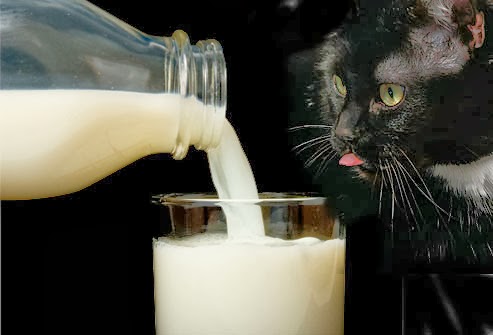
Milk and Other Dairy Products ~ What could be wrong with offering your cat a saucer of milk or a piece of cheese? Although kittens are able to tolerate milk, most adult cats cannot. Their digestive system cannot process dairy foods, and the result can be digestive upset with diarrhea.


Alcohol ~ Beer, liquor, wine, foods containing alcohol -- none of it is good for your cat. That's because alcohol has the same effect on a cat's liver and brain that it has on humans. But it takes far less to do its damage. Just two teaspoons of whiskey can cause a coma in a 5-pound cat, and one more teaspoon could kill it. The higher the proof, the worse the symptoms.

Grapes and Raisins ~ Grapes and raisins have often been used as treats for pets. But it's not a good idea. Although it isn't clear why, grapes and raisins can cause kidney failure in cats. And, a small amount can make a cat ill. Repeated vomiting and hyperactivity are early signs. Although some cats show no ill effects, it's best not to give your cat any grapes and to keep grapes and raisins off countertops and other places accessible to your cat.


Caffeine ~ Caffeine in large enough quantities can be fatal for a cat. And there is no antidote. Symptoms of caffeine poisoning include restlessness, rapid breathing, heart palpitations, muscle tremors, and fits. In addition to tea and coffee ~ including beans and grounds ~ caffeine can be found in cocoa, chocolate, colas, and stimulant drinks such as Red Bull. It's also in some cold medicines and painkillers.


Chocolate ~ Chocolate can be lethal for cats. Although most cats won't eat it on their own, they can be coaxed to eat it by owners and others who think they are giving the cat a treat. The toxic agent in chocolate is theobromine. It's in all kinds of chocolate, even white chocolate. The most dangerous kinds, though, are dark chocolate and unsweetened baking chocolate. Eating chocolate can cause abnormal heart rhythm, tremors, seizures, and death.


Candy and Gum ~ Candy, gum, toothpaste, baked goods, and some diet foods are sweetened with xylitol. Xylitol can cause an increase in the insulin circulating through your cat's body, which will cause the cat's blood sugar to drop. Xylitol can also lead to liver failure. Initial symptoms include vomiting, lethargy, and loss of coordination. The cat may have seizures soon after ingesting the xylitol, and liver failure can occur within just a few days.


Fat Trimmings and Bones ~ Table scraps often contain fat trimmed off of meat and bones. Both fat and bones may be dangerous for cats. Fat, both cooked and uncooked, can cause intestinal upset, with vomiting and diarrhea. And a cat can choke on a bone. Bones can also splinter and cause an obstruction or lacerations of your cat's digestive system.

Raw Eggs ~ There are two problems with giving your cat raw eggs. The first is the possibility of food poisoning from bacteria like salmonella or E. coli. The second is that a protein in raw egg whites, called avidin, interferes with the absorption of the B vitamin biotin. This can cause skin problems as well as problems with your cat's coat.


Raw Meat and Fish ~ Raw meat and raw fish, like raw eggs, can contain bacteria that cause food poisoning. In addition, an enzyme in raw fish destroys thiamine, which is an essential B vitamin for your cat. A lack of thiamine can cause serious neurological problems and lead to convulsions and coma.


Dog Food ~ An occasional bite of dog food won't hurt your cat. But dog food is not a substitute for cat food. They do have many of the same ingredients. But cat food is specially formulated for a cat's needs, which include more protein as well as certain vitamins and fatty acids. A steady diet of dog food can cause your cat to be severely malnourished.


Liver ~ Small amounts of liver are OK, but eating too much liver can cause vitamin A toxicity. This is a serious condition that can affect your cat's bones. Symptoms include deformed bones, bone growths on the elbows and spine, and osteoporosis. Vitamin A toxicity can also cause death.

Too Many Treats ~ Eating too much too often can do the same thing to cats that it does to humans. It can lead to obesity and even diabetes.

Yeast Dough ~ Before it's baked, bread dough needs to rise. And, that's exactly what it would do in your cat's stomach if your cat ate it. As it swells inside, the dough can stretch the abdomen and cause severe pain. In addition, when the yeast ferments the dough to make it rise, it produces alcohol that can lead to alcohol poisoning.


Your Medicine ~ Ingesting a drug prescribed for humans is one of the most common causes of poisoning in cats. Just as you would do for your children, put all medicines where your cat can't get to them. And never give your cat any over-the-counter medicine unless advised to do so by your vet. Ingredients such as acetaminophen or ibuprofen are common in pain relievers and cold medicine. And they can be deadly for your cat.


Kitchen Pantry: No Cats Allowed ~ Many other items commonly found on kitchen shelves can harm your cat. Keeping food items where your cat can't get to them and keeping pantry and cupboard doors closed will help protect your cat from serious food-related illness.

If Your Cat Eats What It Shouldn't ~ No matter how cautious you are, it's possible your cat can find and swallow what it shouldn't. It's a smart idea to always keep the number of your local vet, the closest emergency clinic, and the ASPCA Animal Poison Control Center ~ (888) 426-4435 ~ where you know you can find it in an emergency. And if you think your cat has consumed something that's toxic, call for emergency help at once.


What Cats CAN Eat!!   

Cats are carnivores and need meat. An occasional taste of cooked meat or brown rice can be an OK treat. But it's best to keep it small and infrequent.


What We Recommend:

Our cats are special and, here at Life's Abundance, we are committed to providing our soulful friends with high-quality health foods, effective nutritional solutions and supplements, treats with a healthy purpose and luxurious pet care products created to beautify and pamper your feline.

Life's Abundance Wet Food ~  Instinctive Choice Premium Canned Food is formulated to provide your cat with a meal that is similar in nutrition and moisture to how a feline would feed in the wild. Instinct is king with cats and they will purr over this protein rich food, which contains organic chicken, turkey, chicken liver and shrimp. Why should you choose Instinctive Choice for your cat? It’s not only what’s in Instinctive Choice that makes it the ultimate canned cat food, it’s what is not in it. 

What's NOT in Instinctive Choice. Instinctive Choice does not contain fruits like apples, vegetables like carrots or grains like corn. Although carbohydrates like these are used in dry foods to form the nuggets, they are not necessary in canned foods. Instinctive Choice gives you the ability to feed your cat closer to how a feline would feed in the wild.

Instinctive Choice does NOT contain corn or corn gluten, wheat or wheat gluten, artificial colors or artificial preservatives.

What IS in Instinctive Choice. Because modern house cats evolved from desert felines who acquired fluids primarily from prey, they naturally have a weak thirst drive. Adequate water intake is necessary for a healthy urinary tract and other biological processes. To suit their needs, Instinctive Choice contains chicken broth along with high-quality proteins from organic chicken, turkey, chicken liver and shrimp. We added omega-3 and omega-6 fatty acids, taurine, vitamins, minerals and antioxidants. Taken all together, these ingredients satisfy your cat’s instinctive and nutritional requirements. To top it off, this succulent meal has a savory flavor that your kitten or cat will love. With Instinctive Choice, you can finally give your cat what she truly craves, with the water content and nutrition she needs to thrive.


Life's Abundance Dry Food ~  Life’s Abundance Premium Health Food is made with select ingredients, including a delectable blend of high-quality chicken, catfish and turkey meals, wholesome grains, omega fatty acids and much more. We never use corn or wheat products, and we never use artificial flavors or colors. With Life’s Abundance, you can be confident that you are feeding your cat advanced nutrition.

Life's Abundance Gourmet Cat Treats  Most cats spend a good portion of their waking hours grooming themselves and often loose hair is swallowed, which can lead to an accumulation in the stomach. Dr. Jane believes that healthy skin and a strong, resilient coat begin on the inside and that is why she formulated Life’s Abundance Gourmet Cat Treats For Healthy Skin & Coat. These savory nuggets are feline-friendly, and they feature a deliciously appetizing flavor that will delight even the most finicky of cats. Try our veterinarian-formulated Life’s Abundance Gourmet Cat Treats For Healthy Skin & Coat today.

Life's Abundance Wellness Supplement for Cats provides a wide variety of nutritious ingredients in a formula that enhances your cat’s daily diet, to help promote optimal health and wellness. The shape, size and savory flavor of the nuggets in this supplement are appealing to even the most finicky of cats.

To request samples of our pet food, treats, or supplements, please contact us via the Contact Us! form on this blog or via email at Raven@TheGiftedPet.com!


*  *  *  *  *  *  *  *  *  *  *


Raven is an engaging entrepreneur who encourages others to celebrate pets as part of the family, as well as keep them happy, healthy, and spoiled with her online specialty pet boutique (http://www.TheGiftedPet.com), and premium pet food business (http://www.PremiumPetFoodStore.com)


For more information, please visit her Facebook page to PM her (https://www.facebook.com/TheGiftedPet), or email her at Raven@TheGiftedPet.com