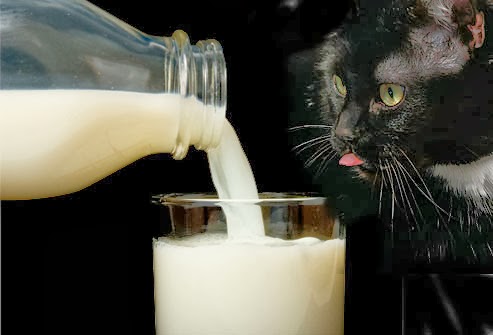
Because they're such picky eaters, we sometimes think cats know what’s best for them when it's time to eat. But the fact they'll walk away from a piece of bad meat doesn't mean they'll bypass an open can of tuna. And that can of tuna can be just as dangerous. In fact, you may be surprised to learn some of the common foods your cats should never eat.
Tuna ~ Cats can be addicted to tuna, whether it's packed for cats or for humans. Some tuna now and then probably won't hurt. But a steady diet of tuna prepared for humans can lead to malnutrition because it won't have all the nutrients a cat needs. And, too much tuna can cause mercury poisoning. Remember the saying, "Honest as a cat when the meat's out of reach." Your cat will see an open can of tuna next to the sink as a dinner invitation.
Onions, Garlic, Chives ~ Onion in all forms ~ powdered, raw, cooked, or dehydrated ~ can break down a cat's red blood cells, leading to anemia. That's true even for the onion powder that's found in some baby foods. An occasional small dose probably won't hurt. But eating a large quantity once or eating smaller amounts regularly can cause onion poisoning. Along with onions, garlic and chives can cause gastrointestinal upset.
Milk and Other Dairy Products ~ What could be wrong with offering your cat a saucer of milk or a piece of cheese? Although kittens are able to tolerate milk, most adult cats cannot. Their digestive system cannot process dairy foods, and the result can be digestive upset with diarrhea.
Alcohol ~ Beer, liquor, wine, foods containing alcohol -- none of it is good for your cat. That's because alcohol has the same effect on a cat's liver and brain that it has on humans. But it takes far less to do its damage. Just two teaspoons of whiskey can cause a coma in a 5-pound cat, and one more teaspoon could kill it. The higher the proof, the worse the symptoms.
Grapes and Raisins ~ Grapes and raisins have often been used as treats for pets. But it's not a good idea. Although it isn't clear why, grapes and raisins can cause kidney failure in cats. And, a small amount can make a cat ill. Repeated vomiting and hyperactivity are early signs. Although some cats show no ill effects, it's best not to give your cat any grapes and to keep grapes and raisins off countertops and other places accessible to your cat.
 Caffeine ~ Caffeine in large enough quantities can be fatal for a cat. And there is no antidote. Symptoms of caffeine poisoning include restlessness, rapid breathing, heart palpitations, muscle tremors, and fits. In addition to tea and coffee ~ including beans and grounds ~ caffeine can be found in cocoa, chocolate, colas, and stimulant drinks such as Red Bull. It's also in some cold medicines and painkillers.
Chocolate ~ Chocolate can be lethal for cats. Although most cats won't eat it on their own, they can be coaxed to eat it by owners and others who think they are giving the cat a treat. The toxic agent in chocolate is theobromine. It's in all kinds of chocolate, even white chocolate. The most dangerous kinds, though, are dark chocolate and unsweetened baking chocolate. Eating chocolate can cause abnormal heart rhythm, tremors, seizures, and death.
 Candy and Gum ~ Candy, gum, toothpaste, baked goods, and some diet foods are sweetened with xylitol. Xylitol can cause an increase in the insulin circulating through your cat's body, which will cause the cat's blood sugar to drop. Xylitol can also lead to liver failure. Initial symptoms include vomiting, lethargy, and loss of coordination. The cat may have seizures soon after ingesting the xylitol, and liver failure can occur within just a few days.
Fat Trimmings and Bones ~ Table scraps often contain fat trimmed off of meat and bones. Both fat and bones may be dangerous for cats. Fat, both cooked and uncooked, can cause intestinal upset, with vomiting and diarrhea. And a cat can choke on a bone. Bones can also splinter and cause an obstruction or lacerations of your cat's digestive system.
Raw Eggs ~ There are two problems with giving your cat raw eggs. The first is the possibility of food poisoning from bacteria like salmonella or E. coli. The second is that a protein in raw egg whites, called avidin, interferes with the absorption of the B vitamin biotin. This can cause skin problems as well as problems with your cat's coat.
Raw Meat and Fish ~ Raw meat and raw fish, like raw eggs, can contain bacteria that cause food poisoning. In addition, an enzyme in raw fish destroys thiamine, which is an essential B vitamin for your cat. A lack of thiamine can cause serious neurological problems and lead to convulsions and coma.
 Dog Food ~ An occasional bite of dog food won't hurt your cat. But dog food is not a substitute for cat food. They do have many of the same ingredients. But cat food is specially formulated for a cat's needs, which include more protein as well as certain vitamins and fatty acids. A steady diet of dog food can cause your cat to be severely malnourished.
Liver ~ Small amounts of liver are OK, but eating too much liver can cause vitamin A toxicity. This is a serious condition that can affect your cat's bones. Symptoms include deformed bones, bone growths on the elbows and spine, and osteoporosis. Vitamin A toxicity can also cause death.
Too Many Treats ~ Eating too much too often can do the same thing to cats that it does to humans. It can lead to obesity and even diabetes.
Yeast Dough ~ Before it's baked, bread dough needs to rise. And, that's exactly what it would do in your cat's stomach if your cat ate it. As it swells inside, the dough can stretch the abdomen and cause severe pain. In addition, when the yeast ferments the dough to make it rise, it produces alcohol that can lead to alcohol poisoning.
 Your Medicine ~ Ingesting a drug prescribed for humans is one of the most common causes of poisoning in cats. Just as you would do for your children, put all medicines where your cat can't get to them. And never give your cat any over-the-counter medicine unless advised to do so by your vet. Ingredients such as acetaminophen or ibuprofen are common in pain relievers and cold medicine. And they can be deadly for your cat.
Kitchen Pantry: No Cats Allowed ~ Many other items commonly found on kitchen shelves can harm your cat. Keeping food items where your cat can't get to them and keeping pantry and cupboard doors closed will help protect your cat from serious food-related illness.
If Your Cat Eats What It Shouldn't ~ No matter how cautious you are, it's possible your cat can find and swallow what it shouldn't. It's a smart idea to always keep the number of your local vet, the closest emergency clinic, and the ASPCA Animal Poison Control Center ~ (888) 426-4435 ~ where you know you can find it in an emergency. And if you think your cat has consumed something that's toxic, call for emergency help at once.
What Cats CAN Eat!!
Cats are carnivores and need meat. An occasional taste of cooked meat or brown rice can be an OK treat. But it's best to keep it small and infrequent.
What We Recommend:
Our cats are special and, here at Life's Abundance, we are committed to providing our soulful friends with high-quality health foods, effective nutritional solutions and supplements, treats with a healthy purpose and luxurious pet care products created to beautify and pamper your feline.
Life's Abundance Wet Food ~ Instinctive Choice Premium Canned Food is formulated to provide your cat with a meal that is similar in nutrition and moisture to how a feline would feed in the wild. Instinct is king with cats and they will purr over this protein rich food, which contains organic chicken, turkey, chicken liver and shrimp. Why should you choose Instinctive Choice for your cat? It’s not only what’s in Instinctive Choice that makes it the ultimate canned cat food, it’s what is not in it.
What's NOT in Instinctive Choice. Instinctive Choice does not contain fruits like apples, vegetables like carrots or grains like corn. Although carbohydrates like these are used in dry foods to form the nuggets, they are not necessary in canned foods. Instinctive Choice gives you the ability to feed your cat closer to how a feline would feed in the wild.
Instinctive Choice does NOT contain corn or corn gluten, wheat or wheat gluten, artificial colors or artificial preservatives.
What IS in Instinctive Choice. Because modern house cats evolved from desert felines who acquired fluids primarily from prey, they naturally have a weak thirst drive. Adequate water intake is necessary for a healthy urinary tract and other biological processes. To suit their needs, Instinctive Choice contains chicken broth along with high-quality proteins from organic chicken, turkey, chicken liver and shrimp. We added omega-3 and omega-6 fatty acids, taurine, vitamins, minerals and antioxidants. Taken all together, these ingredients satisfy your cat’s instinctive and nutritional requirements. To top it off, this succulent meal has a savory flavor that your kitten or cat will love. With Instinctive Choice, you can finally give your cat what she truly craves, with the water content and nutrition she needs to thrive.
Life's Abundance Dry Food ~ Life’s Abundance Premium Health Food is made with select ingredients, including a delectable blend of high-quality chicken, catfish and turkey meals, wholesome grains, omega fatty acids and much more. We never use corn or wheat products, and we never use artificial flavors or colors. With Life’s Abundance, you can be confident that you are feeding your cat advanced nutrition.
Life's Abundance Gourmet Cat Treats Most cats spend a good portion of their waking hours grooming themselves and often loose hair is swallowed, which can lead to an accumulation in the stomach. Dr. Jane believes that healthy skin and a strong, resilient coat begin on the inside and that is why she formulated Life’s Abundance Gourmet Cat Treats For Healthy Skin & Coat. These savory nuggets are feline-friendly, and they feature a deliciously appetizing flavor that will delight even the most finicky of cats. Try our veterinarian-formulated Life’s Abundance Gourmet Cat Treats For Healthy Skin & Coat today.
Life's Abundance Wellness Supplement for Cats provides a wide variety of nutritious ingredients in a formula that enhances your cat’s daily diet, to help promote optimal health and wellness. The shape, size and savory flavor of the nuggets in this supplement are appealing to even the most finicky of cats.
To request samples of our pet food, treats, or supplements, please contact us via the Contact Us! form on this blog or via email at Raven@TheGiftedPet.com!
* * * * * * * * * * *
Raven is an engaging entrepreneur who encourages others to celebrate pets as part of the family, as well as keep them happy, healthy, and spoiled with her online specialty pet boutique (http://www.TheGiftedPet.com), and premium pet food business (http://www.PremiumPetFoodStore.com)
For more information, please visit her Facebook page to PM her (https://www.facebook.com/TheGiftedPet), or email her at Raven@TheGiftedPet.com
Congratulations on deciding to adopt a dog! You are embarking on a wonderful and rewarding relationship. Because adopting a new dog comes with a lot of change for both dog and dog parent, we’ve compiled a checklist to help make the transition as smooth as possible.
Questions for All Adopters:
* Do you have any other dogs and how will they react to a new dog?
* Is your current residence suited to the dog you’re considering?
* How will your social life or work obligations affect your ability to care for a dog?
* Do you have a plan for your new dog during vacations and/or work travel?
* How do the people you live with feel about having a dog in the house?
* Are you (or your spouse, partner or roommate) intolerant of hair, dirt and other realities of sharing your home with a dog, such as allergies?
* Do you or any of your household/family members have health issues that may be affected by a dog?
* What breed of dog is the best fit with your current lifestyle? (You can find information on specific breeds in Petfinder's dog breed directory.)
* Is there tension in the home? Dogs quickly pick up on stress in the home, and it can exacerbate their health and behavior problems.
* Is there an adult in the family who has agreed to be ultimately responsible for the dog’s care?
Other Considerations:
* What do you expect your dog to contribute to your life? For example, do you want a running and hiking buddy, or is your idea of exercise watching it on TV?
* If you are thinking of adopting a young dog, do you have the time and patience to work with the dog through its adolescence, taking house-breaking, chewing and energy-level into account? (Find more information on raising young dogs in Petfinder's Puppy Guide.)
* Have you considered your lifestyle carefully and determined whether a younger or older dog would be a better match for you?
* Can you train and handle a dog with behavior issues or are you looking for an easy-going friend?
* Do you need a dog who will be reliable with children or one you can take with you when you travel?
* Do you want a dog who follows you all around the house or would you prefer a less clingy, more independent character?
Size Considerations:
* What size dog can your home accommodate?
* Will you have enough room if your dog grows to be bigger than expected?
* What size dog would suit the other people who live in or visit your home regularly?
* Do you have another dog to consider when choosing the size of your next dog?
* How big a dog can you travel comfortably with?
Dog Costs:
* More likely than not, the adopting agency will charge a fee to help defray the cost of taking in unwanted or lost animals. The adoption fee you pay will be a tiny fraction of the money you will spend over the life of your dog.
* You may need to pay for your adopted dog to be spayed or neutered before bringing him or her home.
* Some expenses are mandatory for all dogs, including:
~ Food
~ Routine veterinary care
~ Licensing according to local regulations
~ Collars, leashes and identification tags
~ Basic grooming equipment and supplies.
Other expenditures may not be required but are highly recommended:
~ Permanent identification, such as a microchip or tattoo
~ Training classes
~ Additional grooming supplies or professional grooming (depending on your new dog’s needs)
~ A spare collar or leash
~ A bed and toys
~ A crate or carrier
* Unexpected costs: Accidents and illness can result in costly emergency veterinary care.
Recovery tools for finding a missing dog can include posters and rewards.
* A dog with special physical or behavioral challenges may require specialized professional support to overcome any obstacles these issues present.
* For more on typical dog care costs visit Annual Dog Care Costs.
Time Considerations:
* Dogs need to be fed two to three times a day, more often in the case of puppies, and need a constant supply of fresh water.
* A responsible dog parent should spend at least one hour per day giving direct attention to his or her dog. This may include training, exercising, grooming, and playing or, with cats, may just be lap time on the couch. Dogs will need to be taken out to potty several times a day.
* A dog with an abundance of energy needs more time to exercise and interactive toys to keep them entertained.
* Dogs with long coats need 20 minutes a day of grooming to prevent matting.
* Dogs with certain medical conditions may need additional attention, including specifically timed injections in the case of diabetic animals.
* Remember that adopted dogs may need additional bonding and reassurance time in the early weeks.
Shopping Checklist:
It may be a good idea to wait until you select your new dog before you begin shopping for supplies. For example, some items, such as food and water bowls or collars and harnesses, depend upon the size of the dog you will be adopting.
Also, be sure to find out which food your dog was eating in the shelter or foster home so that you can provide the same in the beginning, again to ease the transition. Many times the rescue or foster will give you enough of the current food to help you with the transition to the new food. As your dog is settling in, you can begin the transition to the food of your choice. We recommend Life's Abundance All Life Stage Adult Dog Food, or Puppy Food.
Once you’ve selected your dog, here’s a checklist of supplies you may need:
* Necessary Items for Dogs:
* Food and water bowls
* Food (canned and/or dry)
* Collar
* Six-foot or retractable leash
* ID tag with your phone number
* Hard plastic carrier or foldable metal crate
* Dog bed
* Doggy shampoo and conditioner
* Nail clippers
* Canine toothbrush, toothpaste, or doggy dental wipes
* Brush or comb (depends on your dog’s coat length and type)
* Super-absorbent paper towels
* Sponge and scrub brush
* Non-toxic cleanser
* Enzymatic odor neutralizer
* Plastic poop baggies (biodegradable ones are best) or pooper scooper
* Absorbent house-training pads
* Variety of toys (a ball, rope, chew toy and puzzle toy are good starts)
* Variety of treats (such as small cookies, larger rawhides, etc.)
* First-aid supplies
* Baby gate(s) or crate, if preferred
* * * * * * * * * * *
When you can’t take your pet along with you, a pet sitter can care for your pet(s) temporarily. Naturally, it’s important to share all the necessary information
about your pet with your sitter ~ but what information is that? You might notice that taking care of your pet has become so habitual; all you can come up with is the vet’s phone number! The following checklist can help you remember the important information that will assure that your pet gets the best care in any contingency.
DIET
It’s tempting just to say, “Oh ~ just give him a couple of handfuls of this stuff twice a day.” Instead, help out your pet sitter by sharing information that will make the transition easier for both human and pet(s), such as:
* Typical feeding schedule
* What your pet eats, and how much
* Foods your pets are allergic to or intolerant of
* Where in the house your pets are accustomed to eating
* Which feeding dishes to use.
HEALTH ISSUES
Naturally, you’ll tell the pet sitter any immediate major health issues that need attending to. But also list your pet's age, previous health problems and all current medical conditions, such as hearing difficulties, allergies, heart problems, etc. Make sure the pet sitter understands what they mean in terms of special care requirements. For instance, a diabetic dog might need to be let out more frequently than a non-diabetic dog, or that your kitty might race for the door every time someone enters, which, when you have an indoor kitty, is not what you want happening. Note for the pet sitter what symptoms and problems to watch out for and what to do for each.
MEDICATIONS
Even if the pet sitter is only watching your pet for a short period of time, it’s a good idea to give him or her detailed information about the medicines and supplements prescribed to your pet ~ plans do change, after all. Note the names and locations of all prescribed medications as well as dosages, drug interactions, and the times to administer them. Also important is how to give the medicine: Does your dog only take her pill with a particular food? Will there be injections for your cat? You get the idea! More is better when it comes to necessary information!
EMERGENCY CONTACTS
In the event that something goes wrong or the pet sitter merely has a question, list neatly and legibly all the following names, phone numbers, locations, and email addresses:
1. Your name, cell phone number, email address, and land line number if applicable
2. The name and phone number of your pet's regular veterinarian
3. The name and phone number of the nearest emergency veterinary hospital, if applicable. (Our vet does not handle emergencies, however they refer to another vet nearby).
WALKING
Walking dogs may be a pet sitter’s specialty, but a good pet sitter knows that each dog is different and each day is different. Let the dog sitter know how often you walk your dog, how long each walk is, and how far. Will bodies of water be a swimming temptation? Is the dog likely to pull on the harness or lead? Share general information like how much exercise your dog needs and how he reacts to other dogs, to animals, and to kids. Also, share concrete details such as:
* Which harness to use, and how;
* Is any weather protection necessary? (Our dog refused to go out in wet / snowy weather without boots and a raincoat or sweater, as he did not like wet feets or fur!);
* The preferred walking route.
PLAY TIME
Ask how the time increments work with your pet sitter. Our pet sitter gives us the option of a 20-minute visit for a cat at a slight discount, or a 30-minute visit for a dog, or other increments of 45 minutes for multiple pets, or an hour if additional time is needed. We can mix and match these blocks of time as needed, which makes it nice flexibility-wise. Your dog may require some extra attention. Or, you may wish to have your pet sitter play with kitty for awhile. Some pet sitters will even bring in your mail, clean up any accidents your pets may have, water your plants, and even rotate your lights (on and off) to give the appearance of someone being home. We sometimes leave the TV on and have our pet sitter change the channel during their visits, or put on some soothing music.
QUESTIONS
Sometimes pet sitters need help with a judgement call. Encourage your pet sitter to contact you as often as you want to be contacted.
Lastly, don’t just TELL the pet sitter all of the above; it’s too easy both for you and the pet sitter to forget an onslaught of details given all at once. Plus, a good, reliable pet sitter always has more than a few clients going at the same time, so you generally won't be their only responsibility. Type or write a list that the sitter can consult any time. Taking this simple precaution can make all the difference in easing pet dog comfortably and safely into this new experience and help you trust that your pets are in good hands.
ASK YOUR PET SITTER . . .
1. Are they licensed, bonded and insured?
2. Can they provide you with references? (In our case, we found our pet sitter via a service, so we know they've been thoroughly background checked!)
3. How long have they been pet sitting?
Ease your mind with these and any other questions you might have. After all, you are entrusting your pets and access to your home to this person, so do your homework and take that trip with peace of mind! ♥