Showing posts with label Pet Health. Show all posts

Thursday, May 19, 2016

Pet Food Super Powers by Dr. Jane Bicks


Believe it or not, it wasn’t until nearly the 20th Century that pet food was something distinct from scraps derived from human diets. However, only in the past four decades has the emphasis on health promotion entered the mix. Some of our readers will no doubt recall the “Gravy Train” commercials of the 70’s. Pet food certainly has changed dramatically since those days!
Back in 1999, our company was born of the true revolution in health-promoting diets for companion animals. As a holistic veterinarian formulator, I’m proud to say our nourishing formulas have made a real difference for the dogs and cats who enjoy our products every day.
As many Life’s Abundance customers have witnessed firsthand, simply feeding a dog or cat appropriate nutrition can go a long way in promoting health. But how exactly does food alone help to protect wellness? In the following, we’ll explore four ways that nutrition packs a powerful punch!
Edible Immune Protection
One of the best ways you can protect your pet kid is by building up his or her immune system. The scientific evidence is clear … a stressed body has a lower immunity compared to a non-stressed individual. Veterinary behaviorists are just discovering sources of stress in companion animals. Many focus on domesticated cats, who have on the evolutionary scale only just recently made the switch to indoor living. Even though we don’t know all the things that cause stress, or even recognize all the symptoms of stress in pet kids, we do know that actively trying to improve their immunity with proper nutrition is worthwhile.
At Life’s Abundance, we were one of the first to add fruits and vegetables to our formulas. They naturally offer huge amounts of flavanoids, vitamin E, C and so much more. Antioxidants are just one of the many reasons doctors and dieticians say, “eat your fruits and veggies!” A 2002 study suggests that antioxidant supplementation can achieve sustained increases in circulating levels of antioxidants that exert a protective effect by a decrease in DNA damage, leading to improved immunological performance.
Our formulas feature guaranteed levels of Vitamin E and C, as well as guaranteed amounts of probiotics, important to gut health and immunity.


Healthy Joints
Joint health, which affects one’s ability to get around, is obviously important to your pet kid’s quality of life. Foods and dietary supplements that contain natural sources of glucosamine and chondroitin sulfate have been scientifically shown to promote cartilage, joint and connective tissue health. This is done by decreasing the enzymatic activity that breaks down cartilage in canine joints. These compounds, along with other synergistic ingredients, are found in Life’s Abundance Agility Supplement.
Possibly even more important to your pet kid’s joint health is maintaining a healthy, size and breed-appropriate weight. Your first clue that your dog or cat is too heavy is when you cannot easily distinguish the ribs (and the spaces between them). Measure out proper meal proportions for your companion animal, using the recommended servings as a guideline, to help maintain an ideal weight. If your dog needs to shed excess pounds, I strongly encourage you to cut back on portions and consider switching to our Weight Loss Formula for Adult Dogs. Of course, I can’t stress enough the importance of regular exercise, which also supports joint and bone health.
Sharp Minds & Shiny Coats
For cats and dogs, skin and hair condition reflects overall health and well-being. If your cat has a matted, greasy coat, or your dog’s once shiny coat has grown dull over time, these are examples of the body sending clear messages that something is up and you should schedule an appointment with the veterinarian.
To maintain healthy skin and coat, dogs and cats need to eat the appropriate ratio of fatty acids. Dogs cannot produce omega-6 fatty acids on their own, so it’s vital that they consume sufficient amounts through diet. In fact, new research is highlighting the importance of adding omega-3 fatty acid supplements to daily intake as well, but in proper ratios with other fatty acids. Omega-3 fatty acids are particularly important for pregnant dogs and for puppies, as they are required for brain and retinal development.
Proper Digestion from Tip to Tail
Many people don’t realize, but your pet’s digestion starts with his or her teeth! Brushing your pet’s teeth at home, coupled with routine oral health check-ups at the vet, can have a phenomenally positive effect on your pet’s health. Giving your dog a daily dental treat and safe items to chew can benefit overall health and digestion.
And that’s just the beginning of a healthy digestive system. To keep things moving along the entire tract, all Life’s Abundance dry foods are formulated with prebiotic fiber, a plant-based carbohydrate that produces fatty acids. These fatty acids provide energy to the large intestine and promote overall health of the entire intestinal system.
We live in a very exciting and fortunate time. With all these advances in nutrition and veterinary medicine, our beloved pets will benefit, living longer and being healthier.

Learn more or get started on your pet's transition to better health. 
Samples available! 

www.PremiumPetFoodStore.com


REFERENCES:
Massimino S1, Kearns RJ, Loos KM, Burr J, Park JS, Chew B, Adams S, Hayek MG. Effects of age and dietary beta-carotene on immunological variables in dogs. J Vet Intern Med. 2003 Nov-Dec;17(6):835-42.
Heaton PR1, Reed CF, Mann SJ, Ransley R, Stevenson J, Charlton CJ, Smith BH, Harper EJ, Rawlings JM. Role of dietary antioxidants to protect against DNA damage in adult dogs. J Nutr. 2002 Jun;132(6 Suppl 2):1720S-4S

Thursday, April 2, 2015

Dog Weight Issues


Have you noticed that your dog is looking . . . well . . . a little rotund lately? A bit more curvaceous than usual? You’re not alone! Approximately 17 million dogs in the United States are classified as overweight. But just because Fido has lots of company doesn’t mean that he’s in the clear. Extra weight is linked to a variety of health problems, including arthritis, diabetes, heart disease, and high blood pressure.

How to Tell if Your Dog is Overweight ~ You know your dog better than anyone ~ so you’ve likely already noticed if he has gained weight over a relatively short period. But extra bulk is a bit more difficult to recognize if he’s been slowly packing on the pounds over the years. Here are two fail-safe ways to determine if Fido is at the correct weight:


Feel his ribs: Run your hands along his sides toward the tail, feeling for his ribs. If you can find them beneath a thin layer of flesh, he is probably at the correct weight. If you can barely feel them under a layer of fat, he is likely overweight.


View him from the top and side: A visual inspection of your dog’s body is also important. Look at his body from above. Does he have an hourglass shape, with a slight narrowing behind the rib cage? Also view the lines of his body from the side. Does his stomach tuck up behind the rib cage? If the answer to both questions is yes, he’s likely at the correct weight. If his body has no definition from above or from the side, he is probably overweight.


What to do if Your Dog is Overweight:


Take him to the vet: Have a vet examine your dog just to make sure that he isn’t experiencing a health problem. Some conditions, such as thyroid disease and Cushing’s disease, can cause rapid weight gain.


Cut back on meals: It’s quite possible that you’re feeding Fido too much at mealtimes. Often the serving size on commercial dog food labels advises a larger portion than is necessary for an individual dog. Every dog is different, and every dog also metabolizes food differently. With this in mind, start out with the recommended serving size but observe your dog carefully. If he looks like he’s gaining weight, slowly cut back on how much you’re feeding; if he appears to be losing weight, feed slightly more until he’s at the recommended weight for his breed. Then simply maintain the portion size that works for your dog.  You may also want to try feeding a quality, premium Weight Loss Formula for Adult Dogs!


Feed him on a schedule: Dogs who are “free-fed” ~ given access to their food bowls all day ~ are more likely to be overweight than those who eat on a regular schedule. To help keep Fido healthy, schedule his meals at consistent times and take his food bowl away after 10 to 15 minutes.


Provide healthy treats: Supplement correctly portioned meals with healthy, low-calorie treats, such as cut-up veggies, plain popcorn, or other healthy treats. Make sure that you account for the calories in treats when feeding your dog his meals ~ these should be subtracted from his total caloric allowance for the day.  For healthy, natural, never recalled wholesome treats, try Wholesome Hearts Baked Low-Fat Treats for Dogs.


Exercise him: Of course, any diet plan should be accompanied by the proper amount of exercise. Keep your dog active by making sure that he gets a few daily walks and multiple lively play periods ~ but work up to this gradually. An overweight dog won’t be able to sustain this kind of energy level overnight.


Continue to assess your dog’s progress on a monthly basis to be sure that he’s at a healthy weight, and maintain, maintain, maintain when he has reached his goal! A nutritious diet, meals fed on a regular schedule, and exercise will add years to his life. ♥


TIRED OF PET FOOD RECALLS?
Choose Life's Abundance Dog and Cat Food! They have NEVER been recalled and the food is shipped fresh to your door within 4-6 weeks of being made. They have been in business since 1999! Choose a pet food you can trust! This food is only sold online to ensure you receive the freshest food possible. Click Here to order.


Healthypet1
www.PremiumPetFoodStore.com


*   *   *   *   *   *   *   *   

Raven is an engaging entrepreneur who encourages others to celebrate pets as part of the family, as well as keep them happy, healthy, and spoiled with her online specialty pet boutique, premium pet food business, and holistic healing therapies. She is also a professional intuitive, spiritual coach, and holistic healer who works with the Angels, Ascended Masters, Spirit Guides, and Animal Spirit realms when counseling clients, which includes animals and people.

Tuesday, April 29, 2014

Warning to Pet Owners: Avoid These Products Like the Plague


To quote Philly.com:
"NOTHING is certain in life except death and taxes and, increasingly, pet food and treat recalls."


2013 Dog and Cat Food Recalls


According to the FDA website, there were 33 separate recalls of pet food and livestock feed in 2013. On average, that's one every 11 days.
Of the 33 recalls, 21 were for dog and cat food. Here is a brief summary of the recalls by month as captured at AVMA.org. See if you notice anything interesting about what types of products are being recalled . . . . 
January
  • All recalls during the month of January were for antibiotic residues in  jerky pet treats. Manufacturers included Cadet (IMS Trading Corp), Milo's Kitchen, Purina, Publix supermarkets, and Hartz Mountain Corp.
February
  • Nature's Variety recalled one batch of Instinct® Raw Organic Chicken Formula because pieces of clear plastic may have been in some bags and could cause a potential choking risk to pets.
  • Nature's Deli recalled two lots of chicken jerky products for possible salmonella contamination.
  • Kassel Associated Industries recalled 46 lots of a variety of products for possible salmonella contamination.
  • Nutri-Vet recalled 16 lots of chicken treats for possible salmonella contamination.
  • Honest Kitchen recalled 5 lots of product for possible salmonella contamination.
  • Hy-Vee recalled 3 lots of product for aflatoxin contamination.
March
  • Diggin' Your Dog recalled 1 lot of chicken pet treats for possible salmonella contamination.
  • Steve's Real Food recalled 1 lot of product for possible salmonella contamination.
  • Diamond Pet Foods recalled 7 lots of various cat food products for low levels of thiamine.
  • Bravo! recalled 1 lot of product for possible salmonella contamination.
  • Natura Pet Products recalled over 100 lots of California Natural, EVO, Healthwise, and Innova products for possible salmonella contamination.
  • Jones Natural Chews recalled 9 lots of products for possible salmonella contamination.
  • Iams recalled 10 lots of products for possible mold growth.
  • Natura Pet Products issued another recall of several hundred lots of California Natural, EVO, Healthwise, Innova and Karma products for possible salmonella contamination.
April
  • BARF World, Inc. recalled 2 products produced on a single day for possible salmonella contamination.
  • Bravo! recalled 3 products for possible salmonella contamination.
  • Breeders' Choice recalled 1 lot of product for possible salmonella contamination.
  • Natural Pet Products issued a third recall, this time for all dry cat food and treats by Karma, Innova, Healthwise, EVO, and California Natural.


June
  • Natura Pet Products issued a fourth recall for possible salmonella contamination, for all Mother Nature biscuits/bars/treats, all Karma dry dog food, all Healthwise dry cat food and dry dog food, all California Natural, EVO and Innova dry cat and dog foods and biscuits/bars/treats.
  • Robert Abady recalled 2 products for possible salmonella contamination.
July
  • Dogswell recalled all Catswell and Dogswell jerky treats for antibiotic residues.
August
  • Iams and Eukanuba recalled dozens of lots of dry dog and cat food for possible salmonella contamination.
  • Purina pulled 1 lot of dry dog food for possible salmonella contamination.
September
  • Kritter's Kitchen Kreations recalled jerky pet treats for possible salmonella contamination.
October
  • Bailey's Choice Dog Treats recalled several jerky products for possible salmonella contamination.

Worth Noting

Not only were pet jerky treats pulled from store shelves for the presence of  illegal antibiotic residues, but several brands were also recalled for potential salmonella contamination. It seems like a "no brainer" that EVERY pet owner should avoid these products for the foreseeable future.  If you are still taking a chance with your pet's health, and possibly his or her very life by feeding these questionable brands, we really have to ask you, "Why?!".  Sadly, these recalls and other incidents just keep on happening.  Refer to our blog archives for additional articles as recent as a few weeks ago.  Pet parents must remain vigilant about what they are feeding their pets.  If you don't look out for your pets, who will?!  Certainly not any of the pet food companies on this list, and many others out there whose only concern is their profit margin.   


Click Here to View Our Video!

*Portions of this article courtesy of Mercola

*  *  *  *  *  *  *  *  *  *  *

Raven is an engaging entrepreneur who encourages others to celebrate pets as part of the family, as well as keep them happy, healthy, and spoiled with her online specialty pet boutique (http://www.TheGiftedPet.com), and premium pet food business (http://www.PremiumPetFoodStore.com)

For more information, please visit her Facebook page to PM her (https://www.facebook.com/TheGiftedPet), or email her at Raven@TheGiftedPet.com


Tuesday, March 18, 2014

Skin Problems ~ Lumps and Bumps


Skin problems rank high among the most common reasons that pets go to the veterinarian. Chief complaints include unexplained lumps and bumps that develop on the surface of the skin, under the skin, or even inside the mouth. The good news is that most of the time these swellings are simply benign (non-cancerous) growths. However, it is imperative to have any suspicious growths examined by your vet since they could lead to a more serious condition that may require treatment.

There are a few things that you can do at home if you spot a ‘bumpy lumpy’ on your pet. You should immediately inspect your companion to see if there are multiple bumps or just one. Your pet could be acting fine, the lumps not sensitive to the touch but they can still be serious. The size of a lump is not an indication of its severity. If your pet is acting normally, the lump does not appear painful, and it’s not accompanied by a bad odor, then you probably aren’t facing a dire emergency. Benign growths can include fluid-filled cysts, fatty tumors, warts, skin tags and histiocytomas. Don’t make yourself crazy by trying to diagnose the malady at home. Simply schedule a vet appointment and find out what’s going on.

On the other hand, if you do notice a change in your pet’s behavior then this should be an immediate red flag. Other red flags include fatigue, food avoidance, or inexplicable limping. Symptoms of an infected lump may include red swelling, foul odor coming from the lump, and obvious pain or tenderness associated with the area. Bumps that appear overnight could be due to an abscess, an infection in a wound. Of course, the ‘worst case scenario’ for many is that a bump will prove to be a cancerous tumor. If left unchecked, malignant tumors can grow and spread to other parts of the body. It probably bears repeating … if there’s any question about what’s going on with your dog or cat, take them to the vet for testing.

When you bring your pet in to see your vet, he or she will ask you some questions regarding when you first noticed the lump or swelling, whether you’ve noticed any changes in its appearance, and more. These questions are necessary for your vet to start narrowing down the possible causes and treatments needed. Don’t be alarmed if your vet uses the terms mass, tumor, or growth when referring to any bumps. These are simply medical terms used to describe any swellings and does not automatically mean a cancerous diagnosis. Additionally, your vet will likely perform a physical examination from head to tail. This exam is critical for the assessment of your pet’s health state, and to determine whether there are multiple lumps present (i.e., any that you might’ve missed in your home exam). The look and feel of a bump can give your vet a lot of insight towards what could be wrong. Further testing may be needed to successfully establish the source of the trouble.

After the physical exam, your vet will either offer some immediate treatment options if nothing serious is going on, or ask for permission to conduct further diagnostic testing. A simple test, known as cytology (Greek for ‘the study of cells’) of the lump, may be initially recommended. During this test, a needle is inserted into the bump or swelling, and cells are extracted. The sample will be studied under a microscope for further analysis. The only problem with cytology is that the results can provide only a limited amount of information. If this procedure does not provide a sufficient explanation for the problem, your vet may recommend a biopsy.

There are two types of biopsies: incisional and excisional. With an incisional biopsy, a small amount of the lump is sampled and sent out for analysis. An excisional biopsy requires the removal of the entire mass or swelling, also sent out for analysis. Your pet may need local anesthesia or general sedation before a biopsy is performed, dependent upon the size and location of the mass, as well as the behavioral temperament of your companion.

Ultimately, treatment options will depend on the results of the lump’s analysis. Your vet may determine that the lump or swelling is only cosmetic and poses no threat to your pet kid’s health. In this case, you will want to keep a close eye on the area and notify your vet of any changes. If the diagnosis is more serious, your veterinarian will discuss all available treatment options to address, and hopefully heal, whatever’s going on.

If you remember nothing else, the take-away here is that your greatest resource in diagnosing and treating any skin problem is your vet.

*  *  *  *  *  *  *  *  *  *  *

Raven is an engaging entrepreneur who encourages others to celebrate pets as part of the family, as well as keep them happy, healthy, and spoiled with her online specialty pet boutique (http://www.TheGiftedPet.com), and premium pet food business (http://www.PremiumPetFoodStore.com)


For more information, please visit her Facebook page to PM her (https://www.facebook.com/TheGiftedPet), or email her at Raven@TheGiftedPet.com

Tuesday, February 4, 2014

Tips for Pet Dental Health & February is National Pet Dental Health Month

Don't turn your nose to Fido's or Fluffy's bad breath! That odor might signify a serious health risk, with the potential to damage not only your pet's teeth and gums but its internal organs as well.

To address the significance of oral health care for pets, the AVMA and several veterinary groups are sponsoring National Pet Dental Health Month in February.


You may be groaning inwardly at another post on pet health and periodontal disease, but the truth is many of us pet parents could stand to freshen up on the topic. That’s not a guess, it’s a fact: 17 out of 20 dogs and cats over the age of three have some level of periodontal disease that needs treatment. As one of the most common diseases, it’s also one of the most easily prevented. Dental disease not only “stinks” at the source, it’s also known to negatively impact the health of the whole body. It’s not a stretch to say that to have true wellness, your pet's teeth and gums need to be as healthy as possible. We know all of you are busy, so we will briefly cover the three most salient points to remember when it comes to dental care. 

1. Dental Disease Can Be Painful, Even Deadly ~ We're sure all of you know that dental disease causes “doggie breath”, or "kitty breath" but you may not be aware that chronic inflammation can cause pain, lead to infections, and serves as a precursor to much more serious issues. For instance, severe periodontal disease is significantly correlated with increased risk of heart disease, such as infected heart valves (Glickman et al., 2009). Chronically inflamed and infected gums also increase the risk for kidney disease, limiting the amount of toxins they can purify from the blood (Glickman et al., 2011). We would ask that you keep in mind that inflamed and infected gums are just as painful for dogs and cats as they are for humans, potentially lowering your companion animal’s quality of life. The bottom line is, a healthier mouth makes for a happier pet!

2. For Dental Disease, There is No Magic Bullet ~ Even though periodontal disease is all-too-common, many veterinary researchers are still baffled by its causes, and therefore, the best method for prevention. We do know that plaque-forming bacteria play a role. A recent study (Riggio et al., 2011) showed a wide diversity of canine oral flora, both in health and disease states, including previously undiscovered species of bacteria!

Not knowing exactly what’s going on makes it especially difficult to find a cure, but that hasn’t stopped big companies from trying. In 2006, pharmaceutical giant Pfizer introduced a vaccine for periodontal disease, aimed at targeting three specific bacteria associated with periodontitis (including Porphyromonas denticanis, P. gulae, and P. salivosa). Following the release of the vaccine, Pfizer Animal Health conducted a 4-year review to determine the true effectiveness of the vaccine. Not surprising to me, there was no demonstrable reduction in the progression of periodontal disease, and the company discontinued this product in April of 2011. Our holistic veterinarian, Dr. Jane Bicks, doesn't usually put much faith in vaccines, other than core vaccinations.

Simply put, when it comes to periodontal disease, there are no magic bullets.

3. An Ounce of Prevention is Your Best Bet ~ Recent studies indicate that treatment of canine and feline periodontal disease may not resolve the attendant inflammation, which means negative repercussions may continue for some time (Rawlinson et al., 2011). The only dependable method is to try and prevent onset of the disease in the first place. We can’t stress this enough … for the most part, periodontal disease is preventable! We strongly encourage you to make your pet's dental care a top priority at an early age. Your efforts will be rewarded, as proper dental can improve your pet's chances of long-term health.


The most effective way to prevent gum disease is to brush your pet's teeth on a regular basis.  In addition to routine brushing, a sound, wholesome diet provides a great foundation for health, and feeding your dog Life’s Abundance Gourmet Dental Treats for Dogs will provide additional nutrients to help support healthy teeth and bones. Our Dental Treats also feature a variety of whole grains, added calcium, extra phosphorous and even a dash of parsley to help freshen breath.   Our Wellness Supplement for Cats provides a wide variety of nutritious ingredients in a formula that enhances your cat’s daily diet, to help promote optimal health and wellness.

If your pet already has tartar build-up and evidence of gum disease, do not despair! Make an appointment today to have his teeth cleaned and any infections treated. Soon, he will be back on the road to wellness.

Remember . . . while February is National Pet Dental Health Month, dental health should be a daily ritual for pet owners all year long.

References:

Riggio MP, Lennon A, Taylor DJ, Bennett D. Molecular identification of bacteria associated with canine periodontal disease. Vet Microbiol. 2011 Jun 2;150(3-4):394-400. Epub 2011 Mar 10.

Rawlinson JE, Goldstein RE, Reiter AM, Attwater DZ, Harvey CE. Association of periodontal disease with systemic health indices in dogs and the systemic response to treatment of periodontal disease. J Am Vet Med Assoc. 2011 Mar 1;238(5):601-9.

Glickman LT, Glickman NW, Moore GE, Lund EM, Lantz GC, Pressler BM. Association between chronic azotemic kidney disease and the severity of periodontal disease in dogs. Prev Vet Med. 2011 May 1;99(2-4):193-200. Epub 2011 Feb 23.

Glickman LT, Glickman NW, Moore GE, Goldstein GS, Lewis HB. Evaluation of the risk of endocarditis and other cardiovascular events on the basis of the severity of periodontal disease in dogs. J Am Vet Med Assoc. 2009 Feb 15;234(4):486-94.

Beard G, Emily P, Milligan & Williams C: American Animal Hospital Association, Veterinary Dentistry, Course I, 1989.

*  *  *  *  *  *  *  *  *  *  *


Raven is an engaging entrepreneur who encourages others to celebrate pets as part of the family, as well as keep them happy, healthy, and spoiled with her online specialty pet boutique (http://www.TheGiftedPet.com), and premium pet food business (http://www.PremiumPetFoodStore.com)


For more information, please visit her Facebook page to PM her (https://www.facebook.com/TheGiftedPet), or email her at Raven@TheGiftedPet.com

Thursday, January 30, 2014

Pet Parents ~ How Many More Recalls Will It Take?

Many pet parents usually don’t give a second thought about what they are feeding their pets . . . that is until we all hear about a recall in the news. We check to see if our pet food is on the list, and when it’s not, we breathe a sigh of relief. Don't you think it’s time that we stop burying our heads in the sand and hoping there isn’t something wrong with our pet food, and instead start ensuring that something is right with it?! 

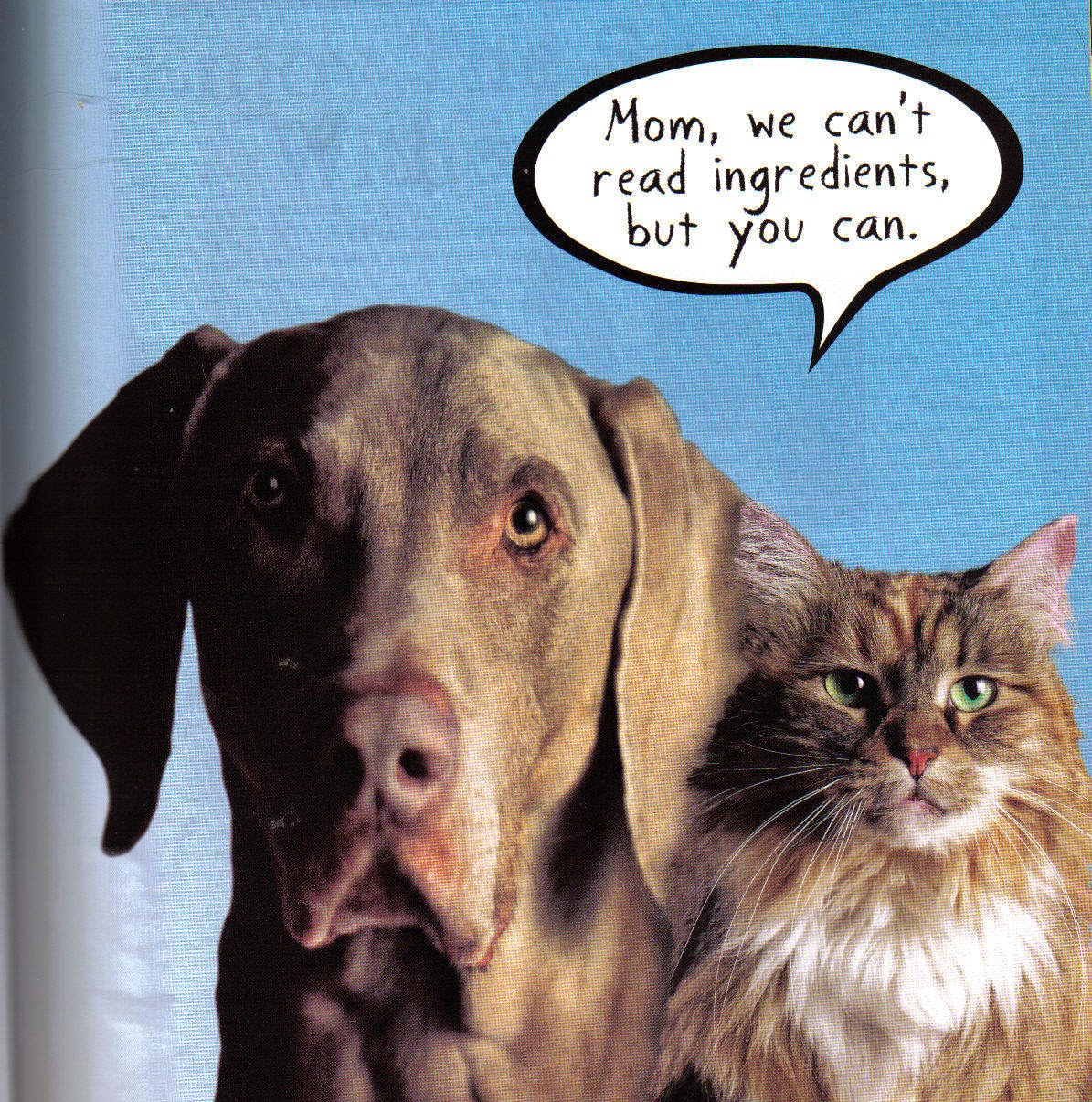
Have you ever read the label on your pet's food or treats?  Not just a glance . . . I mean REALLY read the label from start to finish?!  What are some of the ingredients?  Wheat or Wheat Gluten? Corn or Corn Gluten?  Bone or By-Product Meal?  Artificial Colors and Flavors?  BHA and / or BHT? Propylene Glycol?  Do you even know what half of these ingredients are, or what harm they can cause to your pets?!  


Wheat and corn can contain aflatoxin, which is a fungal toxin that commonly contaminates maize and other types of crops during production, harvest, storage or processing.  Wheat and corn are also highly indigestible for most pets and can cause great stress on their digestive systems, as well as their kidneys.  These grains are also the cause of food allergies in many of our precious pets.

Bone meal and by-product meal tend to keep us guessing as to which animal they may come from.  What if your pet has a beef allergy, yet the food or treat label is non-specific as to which animal these "meals" or "by-products" came from.  Do you really want to take that chance?  

The same thing goes for artificial coloring, which has no nutritional value and is designed specifically as visual marketing to pet parents . . . not to the pets!  And, did you know that the dyes that are used have not been subject to testing for safety?  The most common ones are Yellow #5, Yellow #6, Red #40, Blue #1 and Blue #2, which have been known to be contaminated with cancer-causing substances and may even cause death, as these additives are toxic to our pets.  The discussion regarding their lack of nutritional value, as well as their potential hazards has been swirling about for years, yet no one has done anything about banning these substances from your pet's food, or from our own foods, for that matter.

BHT / BHA are NOT natural preservatives and can also cause health problems in your pets, as can Propylene Glycol, which is better known as the key component in newer automotive antifreeze.  Why are using a known toxic substance to preserve moisture in our dog's food and treats?  It has already been shown to cause anemia in cats, and has been banned by the FDA for use in cat food and treats.  


Did you know that there have been more than 110 FDA recalls since 2007?  


Check to see if your pet's food or treats have been recalled on the FDA website by logging on here: 
 http://www.fda.gov/animalVeterinary/safetyhealth/recallswithdrawals/default.htm

Keeping our fur kids safe begins with giving them the best food and treats possible ~ Natural, NEVER RECALLED . . . Corn & Wheat-Free, No GMOs, Gluten-Free, NO Artificial Colors or Flavors . . . just real food with vital nutrients prepared under the highest standards.

If you're ready to stop taking chances with your pet's health (and possibly your pet's life), then shop our line of premium pet food, treats, nutritional supplements, and pet care products.  If you could feed your pets premium pet foods & treats that will provide them with abundant nutrition, and may help ensure longer, healthier lives for your precious fur kids for about the same or less than you are currently spending on food & treats, why wouldn't you?  Safety is our primary objective! When it comes to product safety and quality ingredients, we don't do shortcuts. In fact, we act as if your pet's life depends on us. 

Request samples, ask questions, and learn more about true premium nutrition for your furkids by visiting our website ~ http://www.PremiumPetFoodStore.com

You'll be so glad you did . . . and, so will your pets!


Life's Abundance . . . paving new roads to wellness every day!

Tuesday, September 4, 2012

Dog Weight Issues

Have you noticed that your dog is looking . . . well . . . a little rotund lately? A bit more curvaceous than usual? You’re not alone! Approximately 17 million dogs in the United States are classified as overweight. But just because Fido has lots of company doesn’t mean that he’s in the clear. Extra weight is linked to a variety of health problems, including arthritis, diabetes, heart disease, and high blood pressure.


How to Tell if Your Dog is Overweight ~ You know your dog better than anyone ~ so you’ve likely already noticed if he has gained weight over a relatively short period. But extra bulk is a bit more difficult to recognize if he’s been slowly packing on the pounds over the years. Here are two fail-safe ways to determine if Fido is at the correct weight:


Feel his ribs: Run your hands along his sides toward the tail, feeling for his ribs. If you can find them beneath a thin layer of flesh, he is probably at the correct weight. If you can barely feel them under a layer of fat, he is likely overweight.


View him from the top and side: A visual inspection of your dog’s body is also important. Look at his body from above. Does he have an hourglass shape, with a slight narrowing behind the rib cage? Also, view the lines of his body from the side. Does his stomach tuck up behind the rib cage? If the answer to both questions is yes, he’s likely at the correct weight. If his body has no definition from above or from the side, he is probably overweight.


What to do if Your Dog is Overweight:


Take him to the vet: Have a vet examine your dog just to make sure that he isn’t experiencing a health problem. Some conditions, such as thyroid disease and Cushing’s disease, can cause rapid weight gain.


Cut back on meals: It’s quite possible that you’re feeding Fido too much at mealtimes. Often the serving size on commercial dog food labels advises a larger portion than is necessary for an individual dog. Every dog is different, and every dog also metabolizes food differently. With this in mind, start out with the recommended serving size but observe your dog carefully. If he looks like he’s gaining weight, slowly cut back on how much you’re feeding; if he appears to be losing weight, feed slightly more until he’s at the recommended weight for his breed. Then simply maintain the portion size that works for your dog.  You may also want to try feeding a quality, premium Weight Loss Formula for Adult Dogs!


Feed him on a schedule: Dogs who are “free-fed” ~ given access to their food bowls all day ~ are more likely to be overweight than those who eat on a regular schedule. To help keep Fido healthy, schedule his meals at consistent times and take his food bowl away after 10 to 15 minutes.


Provide healthy treats: Supplement correctly portioned meals with healthy, low-calorie treats, such as cut-up veggies, plain popcorn, or other healthy treats. Make sure that you account for the calories in treats when feeding your dog his meals ~ these should be subtracted from his total caloric allowance for the day.  For healthy, natural, never recalled wholesome treats, try Wholesome Hearts Baked Low-Fat Treats for Dogs.


Exercise him: Of course, any diet plan should be accompanied by the proper amount of exercise. Keep your dog active by making sure that he gets a few daily walks and multiple lively play periods ~ but work up to this gradually. An overweight dog won’t be able to sustain this kind of energy level overnight.


Continue to assess your dog’s progress on a monthly basis to be sure that he’s at a healthy weight, and maintain, maintain, maintain when he has reached his goal! A nutritious diet, meals fed on a regular schedule, and exercise will add years to his life. ♥