Showing posts with label Cats. Show all posts

Tuesday, October 20, 2015

A Closer Look at Pet Anxiety & How to Treat It Holistically!


As pet parents, we are all vaguely aware that we should minimize the stress our pet kids experience. As a holistic pet consultant, I think it is important that we also comprehend the health risks of prolonged anxiety, too. The fact is, living in a fearful or anxious state for long periods of time can take a dramatic toll on the health of a companion animal.
Any time your pet feels endangered, whether the threat is real or imagined, the body prepares to defend itself by unleashing a torrent of stress hormones, including cortisol and adrenaline, that have far-reaching effects on the whole body. These hormones release energy, increasing respiration while inhibiting digestion, the immune system, growth, reproduction and even pain perception. These hormones also decrease blood flow to areas of the body that are necessary for movement. This is appropriate for survival in a real crisis, but when fear, anxiety or stress continues chronically, negative health effects are a real possibility. These effects could include fatigue, hypertension, gastrointestinal problems, skin disease, as well as metabolic and immune problems. You might be surprised to know that pets can manifest many of the same conditions that we do!
Chronic anxiety and stress can even cause permanent damage to the brain. We know that animals staying in shelter facilities are at increased susceptibility to infectious diseases, including upper respiratory tract infections, litterbox problems, hair loss, and bladder inflammation. And that’s nothing compared to the extreme duress of prolonged fear experienced by dogs in puppy mills! We can see the effects of stress on dogs when they exhibit signs of stress colitis, an inflammatory GI condition that causes diarrhea - often seen after boarding, veterinary visits, or grooming. Stressed dogs suffering from separation anxiety can also be destructive, chewing carpet, baseboards, or scratching up doors. Dogs that are chronically stressed can lick themselves raw, creating skin conditions like lick granulomas.
Apart from the mental and physical distress, stress hormones also imprint any fearful situation firmly in your pet’s memory as something that was scary and life-threatening. These feelings can be recalled from something as seemingly innocuous as pinpricks from a vaccine needle, a person wearing a lab coat or the sight of nail clippers. Any memory of frightening situations can prove to be a powerful fear stimulus. When your companion animal encounters a similar sort of situation, the stress hormones are released and the fear cycle resumes all over again.
The effects of fear and anxiety can be profound and highly distressing. We need to recognize fear in our pets, do more to decrease their fear when possible, and prevent fear by associating potentially fearful situations with positive stimuli. As you can see, dogs and cats who demonstrate pathologic levels of fear or anxiety need our help, not only for their emotional well-being but their physical well-being, too!

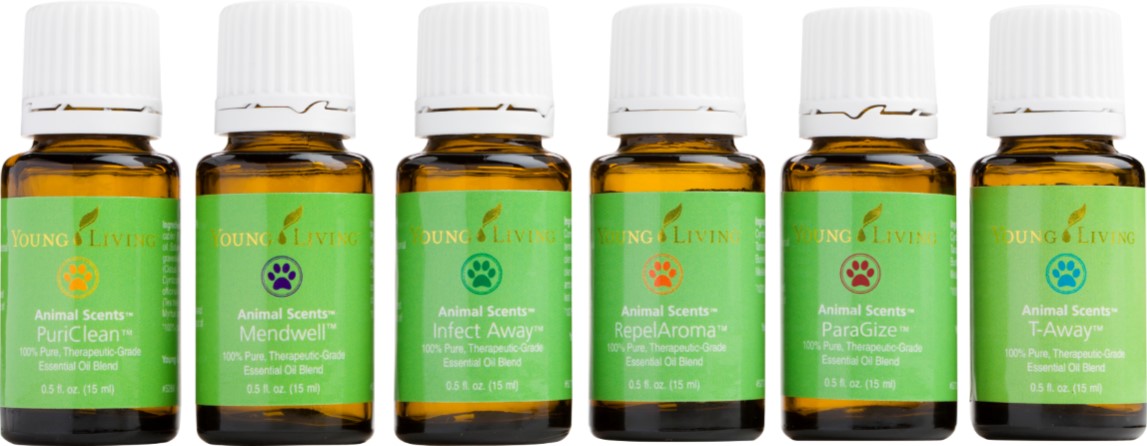
Ask us about using 100% pure, therapeutic-grade essential oils formulated specifically for animals in our Animal Scents collection. Log onto:

www.NaturalLivingEssentialOils.com 

and search Product Categories for "Pets" to see our line of essential oils and essential oil- infused pet products. 


Animal Scents Care Collection (sold individually)


Individual Oils from the Animal Scents Care Collection


Tuesday, June 9, 2015

Essential Oils and Pets: A Quick How-To


If you love using Young Living products in your home, you’ve probably wondered how you can share their amazing benefits with your animals. Which oils are safe to use? How much can I apply? Should I diffuse or apply topically? 
If you’ve ever had questions like these, we’re here to help! Check out this quick-and-easy how-to guide for using essential oils with animals.* Whether you’re a beginner or an expert, here are a few things to keep in mind: 
Most animals are more sensitive than humans to essential oils.
  • Start by diluting heavily and use in moderation.
  • Every animal is different, so carefully observe how each animal responds to the oils. Use common sense and good judgment as you try different methods.
  • Take special care to not get essential oils in an animal’s eyes.
  • Avoid using high-phenol oils such as Oregano and Thyme with any animals, especially cats.
  • Use special caution when using essential oils with cats. Cats are also generally averse to citrus essential oils.

Pets-Animals and Essential Oils - Young Living

Your animal’s size affects the amount of oil you should use.
  • For smaller animals like cats and small dogs, use 3–5 drops. Be sure to dilute 80–90 percent prior to application (for example, for every 1 drop of oil, use 4–5 drops of a diluting agent, such as V-6™Vegetable Oil Complex).
  • For larger animals, like large dogs, start with 3–5 drops. Unless otherwise indicated on the product label, dilution is unnecessary.
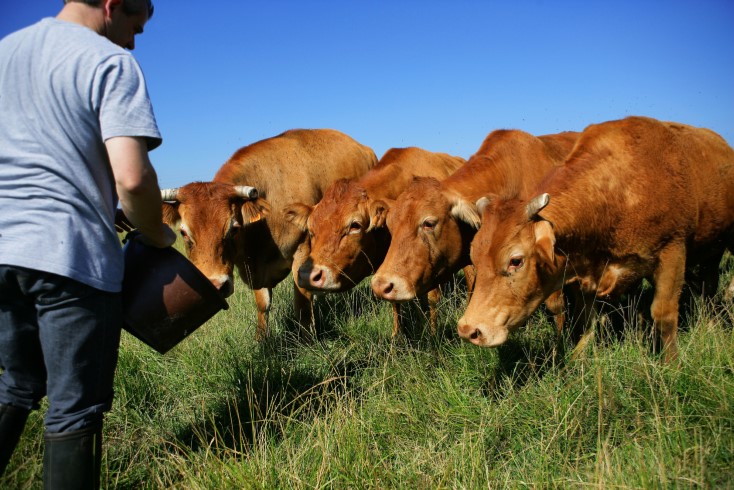
  • For very large animals, like horses and cattle, start with 10 drops. Unless otherwise indicated on the product label, dilution is unnecessary.

Apply oils to yourself or diffuse to introduce animals to essential oils and help them get comfortable.
  • Wear oils around your animals, diffuse in their space, or apply to your hands and let the animal smell them.
  • If your animal is jittery or resistant to essential oils, try applying an oil to yourself and staying near the animal for several minutes so it can get used to the aroma.

Cattle

Once they’re used to essential oils, animals can respond well to topical application.
  • For cats and dogs, paws are a great place to apply essential oils.
  • For hoofed animals, we recommend application on the spine or flanks.
  • Try rubbing oils onto your own hands and then stroking the animal’s fur.
  • For large or hard-to-reach areas, combine essential oils with V-6 Vegetable Oil Complex or water in a spray bottle for easier application.
  • Animal Scents™ Ointment can be used to seal and protect areas where essential oils have been applied topically.

Essential oils can be administered internally.
  • Some essential oils can be mixed with your animal’s food.
  • For large animals, you can pull out the bottom lip and drop oils directly into the mouth.

Young Living offers a full line of animal-specific products.

AnimalScents Oils - Young Living

*If your pet or animal has a known health issue, please consult your veterinarian before administering essential oils.

Get started on your amazing essential oils journey at:


Saturday, March 14, 2015

Top 10 Reasons Why Your Pets Should Take Fish Oil


Fish oil supplements are an ideal complement to your pet’s diet because they supply omega-3 fatty acids, which your dog or cat’s body cannot sufficiently produce on its own. Still in doubt? Here are the top 10 reasons why it’s important to supplement your dog or cat’s daily intake with a quality fish oil supplement.

1. Your Pet Will Burn Fat More Efficiently

The Omega-3 fatty acids in fish oil supplements help improve the metabolism of a dog and cat’s body in a natural way and cause body fat to burn more quickly. (2,10)

2. Improved Development of Puppies & Kittens During Pregnancy

During a pregnancy, supply your canine or feline mama omega-3 needs with a pure, safe fish oil supplement. The reason is because the omega-3 fatty acid DHA helps improve brain development, concentration, immunity and eyesight, among other things. (1,5)

3. Slow Down Your Pet’s Aging Process

We all want to age more slowly, right? EPA and DHA found in fish oil help slow down the aging process by reducing inflammation and extending the longevity of cells. In this way, omega-3s help keep your pet kids feeling younger for longer. (3)

4. Improved Flexibility

Because of the anti-inflammatory properties of EPA from fish oil supplements, the discomfort in your pet’s joints and muscles may actually decrease. What you will notice is that over time, fish oil supplements can help with stiffness to rise and help your pet be more active and enjoy walks and games with you. (4)

5. Improved Performance in Canine Athletes

Omega-3s in fish oil supplements improve the functioning of the lungs. For our active agility dogs, runners, Frisbee dogs, swimmers and mountain hiker companions, fish oil will help your dog keep up with you. (14)

6. Better Concentration & Limiting Brain Cell Deterioration

Thanks to EPA and DHA from fish oil, your pet’s brain may age more slowly and perform optimally. The essential fatty acids in the omega-3s contribute to sounder sleep, an essential element in keeping concentration sharp. (6)

7. Optimized Immune System Functioning

A daily supplement of omega-3s from fish oil supplements help the white blood cells perform their anti-inflammatory function optimally. This helps your pet’s defense against diseases and other ailments by strengthening the immune system. (15)

8. Better Heart Health

The omega-3s in fish oil supplements help keep cholesterol levels at a healthy level and help keep this vital muscle healthy. (8,9)

9. No More Grumpy Cat

Fish oil supplements are proven to improve mood in humans, and studies are forthcoming about their benefits in pets! (12, 13)

10. Healthy Skin & Shiny Coat

The benefits of omega-3s in fish oil supplements for skin health are well documented, but did you know that omega-3s also help protect against sunburn? (6,7)


Adding health-promoting fish oil to your pet’s diet can be one of the best decisions you make for your companion animal. If you want to learn more, visit our website!


References:

1. Zicker SC1, Jewell DE, Yamka RM, Milgram NW. Evaluation of cognitive learning, memory, psychomotor, immunologic, and retinal functions in healthy puppies fed foods fortified with docosahexaenoic acid-rich fish oil from 8 to 52 weeks of age. J Am Vet Med Assoc. 2012 Sep 1;241(5):583-94. doi: 10.2460/javma.241.5.583.

2. Xenoulis PG1, Steiner JM. Lipid metabolism and hyperlipidemia in dogs.Vet J. 2010 Jan;183(1):12-21. doi: 10.1016/j.tvjl.2008.10.011. Epub 2009 Jan 23.

3. Figueras M, Olivan M, Busquets S, López-Soriano FJ, Argilés JM. Effects of eicosapentaenoic acid (EPA) treatment on insulin sensitivity in an animal model of diabetes: improvement of the inflammatory status. Obesity (Silver Spring). 2011 Feb;19(2):362-9. doi: 10.1038/oby.2010.194. Epub 2010 Sep 30.

4. Moreau M, Troncy E, Del Castillo JR, Bédard C, Gauvin D, Lussier B. Effects of feeding a high omega-3 fatty acids diet in dogs with naturally occurring osteoarthritis. J Anim Physiol Anim Nutr (Berl). 2012 Jul 14. doi: 10.1111/j.1439-0396.2012.01325.x

5. Bauer JE, Heinemann KM, Lees GE, Waldron MK. Retinal functions of young dogs are improved and maternal plasma phospholipids are altered with diets containing long-chain n-3 polyunsaturated fatty acids during gestation, lactation, and after weaning. J Nutr. 2006 Jul;136(7 Suppl):1991S-1994S.

6. Bauer JE. Therapeutic use of fish oils in companion animals. J Am Vet Med Assoc. 2011 Dec 1;239(11):1441-51. doi: 10.2460/javma.239.11.1441. Review.

7. Popa I, Pin D, Remoué N, Osta B, Callejon S, Videmont E, Gatto H, Portoukalian J, Haftek M. Analysis of epidermal lipids in normal and atopic dogs, before and after administration of an oral omega-6/omega-3 fatty acid feed supplement. A pilot study. Vet Res Commun. 2011 Dec;35(8):501-9. doi: 10.1007/s11259-011-9493-7. Epub 2011 Jul 23. Erratum in: Vet Res Commun. 2012 Mar;36(1):91

8. Smith CE, Freeman LM, Rush JE, Cunningham SM, Biourge V. Omega-3 fatty acids in Boxer dogs with arrhythmogenic right ventricular cardiomyopathy. J Vet Intern Med. 2007 Mar-Apr;21(2):265-73.

9. Freeman LM, Rush JE, Markwell PJ.Effects of dietary modification in dogs with early chronic valvular disease. J Vet Intern Med. 2006 Sep-Oct;20(5):1116-26.

10. Laflamme DP. Understanding and managing obesity in dogs and cats. Vet Clin North Am Small Anim Pract. 2006 Nov;36(6):1283-95, vii. Review.

11. Brown SA, Brown CA, Crowell WA, Barsanti JA, Allen T, Cowell C, Finco DR. Beneficial effects of chronic administration of dietary omega-3 polyunsaturated fatty acids in dogs with renal insufficiency. J Lab Clin Med. 1998 May;131(5):447-55.

12. Hegarty B, Parker G. Fish oil as a management component for mood disorders - an evolving signal. Curr Opin Psychiatry. 2013 Jan;26(1):33-40. doi: 10.1097/YCO.0b013e32835ab4a7

13. Hegarty BD, Parker GB. Marine omega-3 fatty acids and mood disorders--linking the sea and the soul. 'Food for Thought' I. Acta Psychiatr Scand. 2011 Jul;124(1):42-51. doi: 10.1111/j.1600-0447.2011.01703.x. Epub 2011 Apr 11. Review.

14. Wakshlag J, Shmalberg J. Nutrition for working and service dogs. Vet Clin North Am Small Anim Pract. 2014 Jul;44(4):719-40, vi. doi: 10.1016/j.cvsm.2014.03.008. Review.


15. Hall JA, Henry LR, Jha S, Skinner MM, Jewell DE, Wander RC. Dietary (n-3) fatty acids alter plasma fatty acids and leukotriene B synthesis by stimulated neutrophils from healthy geriatric Beagles. Prostaglandins Leukot Essent Fatty Acids. 2005 Nov;73(5):335-41.


Friday, April 4, 2014

Contrary to Some Beliefs ~ Cats Are Very Affectionate Pets


While dogs are known for being friendly and affectionate, our lovely feline friends are sometimes known as being aloof. But, that is hardly the truth. There are tons of affectionate cats out there. Many cats will lick you and greet you, while other cat’s signs of affection can be a little more subtle. In fact, if you learn to understand a cat’s body language and signals, you will see how they are showing their love.


* Head Rubs ~ If your cat rubs her face on you, she is marking you as her property. There are glands on her face that secrete pheromones which act to mark your feline’s territory as well as signal comfort and familiarity. Each cat's pheromone is unique, just as our fingerprints are. When he or she leaves behind this calling card, she's saying that you are all hers.

* Needs to be Near You ~ If your cat follows you from room to room and hangs out wherever you are, it's a sign that your beloved is interested in you and wants to be where you are. Some cats who otherwise do not display affection can still express their love just by being around and in your close proximity.

* Slow Eye Blinks ~ When a cat encounters strangers or other cats, they usually greet them with an unblinking stare (or if they are mad at you!) However, slow eye blinks are a sign of contentedness and affection. You can make a game of this by slowly blinking back at your cat and see how long the interchange can last between the two of you.

* Greets You at the Door ~ Most cats that are bonded with their owners will respond with excitement when they hear your car in the driveway, or when you make distinctive sounds (like unlocking the door) when returning home. If they run to the door when you come through, it obviously means they've missed you and are happy that you’re home. Or they might just meow from afar and then approach. (Our kitty always greets us at the door and meows . . . a lot!).


* Rolls Over ~ When your cat rolls over and exposes his or her belly to you, he or she is signaling that she trusts and loves you. By exposing her belly, he or she is exposing her vulnerability. If she did that outside, she would be attacked. However, in the comfort of your home, this tummy exposure is a signal that she’s comfortable enough with you to let down her guard.

* Kneading
~ This instinctual gesture originates from birth, when your cat kneaded her mother to stimulate milk flow. In later life, kneading signifies contentment, pleasure and adoration, especially if accompanied by drooling. This is one of the greatest expressions of love that your cat can show you. Cats will sometimes knead your arm, leg or somewhere close by you.

We all love our kitties . . . and they love us, even if they don’t always ‘meow’ their affection, they certainly show it in so many other ways. Take the time to understand your cats and their distinctive language!


*  *  *  *  *  *  *  *  *  *  *
Raven is an engaging entrepreneur who encourages others to celebrate pets as part of the family, as well as keep them happy, healthy, and spoiled with her online specialty pet boutique (http://www.TheGiftedPet.com), and premium pet food business (http://www.PremiumPetFoodStore.com)


For more information, please visit her Facebook page to PM her (https://www.facebook.com/TheGiftedPet), or email her at Raven@TheGiftedPet.com

Saturday, March 22, 2014

Cats Are Different ~ How a Cat's Nutritional Needs are Different from a Dog's


Our wonderful life-supporting planet is home to a remarkably diverse and complex spectrum of living organisms. And although all living things do share some common traits and similar biochemical pathways and cellular functions, there are many notable differences that make each creature stand out from the crowd. So even with the thread of sameness joining all the planets’ life forms, diversity and difference makes us take note of each creature’s uniqueness. Maybe that’s why the cat is America’s favorite housepet . . . cats are different!

This extraordinary four-legged feline has, for all of recorded time, evoked wonder and surprise, superstition and affection, damnation, and deification. From pharaohs to philosophers to paupers, the companionship of and affection for cats has been a result of the cat’s unique ability to make us humans gaze in awe and admiration.

Eons of special environmental circumstances have forced the cat to evolve some interesting and individualized biochemical activities. Let’s take a peek at how unique the cat is inside, in that mysterious universe of liver and kidneys and glands and fluids where a million chemical reactions are going about their biological business in silent obscurity. And to make our little peek at the inner workings of the cat more interesting, let’s contrast a few of the cat’s biological activities to those of our next most favorite companion the dog.

In so many obvious ways, cats look, act, react, and respond differently than dogs. You never see a cat happily wag its tail; a dog’s reflexes are quick, a cat’s reflexes are incredible; dogs are doers, cats are watchers. These differences are easily noted by simple observation. Now let’s explore some of the unseen microscopic world of the cat ~ the invisible world of metabolism and chemistry that is just as real as those traits we can see with our eyes.

To begin with we must get a good grip on two terms . . . carnivore and omnivore. The cat is considered by scientists to be a strict carnivore and the dog is considered to be an omnivore. Both species are in the Class Mammalia and the Order Carnivora, but here’s the difference: The cat cannot sustain its life unless it consumes meat in some form. Dogs, however, are able to survive on plant material alone; they do not have to consume meat. But always keep in mind that dogs do best and by nature are primarily meat-eaters. Just because by definition they are omnivores (can digest and utilize plant and animal food sources) does not mean that plant material alone makes a good source of nutrition for the dog. Far too many dogs have been undernourished by those cheap grain-based dog foods. And grain-based cat foods are even worse!

So a good way to think of it is that cats are carnivores, dogs are omnivores, but they both have evolved as hunters of other animals in keeping with their nature as meat-eaters.

There are numerous chemical substances that are required for a cat to remain alive. These substances, some very complex chemical molecules and some very basic and simple, must be provided along the internal chemical reaction pathways at all times. Like other living plants and animals, the cat can manufacture most of its own required substances within its own body’s chemical factory. For example, Vitamin C is a requirement for life sustaining processes for us Mammalia, and dogs and cats make plenty of their own within their body’s chemical factory ~ the liver. We humans don’t make enough within our body chemical factory . . . so to keep ourselves alive we have to find some Vitamin C already made (preformed) somewhere in our environment, gather or capture it, then eat it. Without the Vitamin C, we would die.

Dogs and cats don’t have to worry about gathering, capturing, and eating other preformed Vitamin C. They don’t care where their next grapefruit will come from because they make all the Vitamin C they need inside their own personal chemical factory.

On the other hand, there are numerous nutrients and chemicals that cats need that they can only acquire if they eat animal-derived tissues. That is, they need to prey on other living creatures that do make the essential chemicals that cats don’t! Out of necessity, the cat has evolved ways to hunt down, capture and eat this prey in order to "borrow" the prey's nutrients.

Outlined below are just a few of the unseen, but still very real biochemical differences between cats and dogs. Look these over, and you will be even more convinced that cats are different!

VITAMIN A ~ Also called retinol, this vitamin is required at the cellular level by both cats and dogs.

Cats ~ Process little or no enzymes that will break down the plant-produced carotenoids. Must eat preformed active Vitamin A (that is, Vitamin A that already has been converted from carotenoids to its active form by some other creature such as a mouse or rabbit). Here’s a good example of why cats are called strict carnivores . . . they need to eat some other animal in order to "borrow" its active Vitamin A!

Dogs ~ Have enzymes in the lining of the intestine that can break down plant carotenoids and convert these into active Vitamin A.


NIACIN ~ An essential B vitamin (essential means must be eaten, can’t be made inside the body’s chemical factory.)

Cats ~ Can obtain Niacin only by eating the preformed vitamin. Cannot convert Tryptophan to niacin.

Dogs ~ Obtain Niacin in two ways. One is by converting a dietary amino acid call Tryptophan into Niacin, and the other way is by eating preformed Niacin.


ARGININE ~ A building block for proteins, it is an amino acid. Arginine is vital to many of the animal’s internal chemical factory’s functions. No Arginine and the entire factory goes on strike!

Cats ~ Are extremely sensitive to even a single meal deficient in Arginine and are unable to make their own Arginine within their chemical factory. Cats need lots of protein, and Arginine is involved in aiding the elimination of the protein waste products so the wastes don’t pollute the whole factory!

Dogs ~ Are not very sensitive to low levels of Arginine in their diets and produce enzymes internally that can aid production of Arginine.


TAURINE ~ An amino acid that is not built into proteins, but is distributed throughout most body tissues. Taurine is important for healthy functioning of the heart, retina, bile fluid and certain aspects of reproduction.

Cats ~ Must eat preformed Taurine. And since it is not found in plant tissues, cats must consume meat to obtain Taurine. Therefore, Taurine is essential in the diets of cats. Here again, meat has to be supplied to the factory so the Taurine can be extracted for its many uses.

Dogs ~ Make their own in their internal chemical factory.


FELININE ~ It is a compound made from a sulfur amino acid (SAA) called Cysteine.

Cats ~ Have a much higher requirement for SAA than other Mammalia and are the only creatures to manufacture the Felinine chemical. Felinine’s role in the overall function of the chemical factory is unknown, but like most factories whose wastes generate offensive odors, any Felinine present in the male cat’s urine alerts the neighbors that the factory is up and runnin’!

Dogs ~ Don’t know and don’t care what this stuff is.

DIETARY PROTEIN 

Cats ~ If fed a perfectly balanced and 100-percent digestible protein in a diet, the cat will use 20 percent of that protein for growth metabolism and 12 percent for maintenance. Here’s any easy way to say it . . . cats need more protein in their diets than dogs do.

Dogs ~ If fed a perfectly balanced and 100-percent digestible protein in a diet, the dog will use 12 percent of that protein for growth metabolism and only 4 percent of that protein for maintenance. Here's an easy way to say this . . . dogs need less protein in their diets than cats.


ARACHIDONIC ACID ~ An essential fatty acid that plays a vital role in fat utilization and energy production.

Cats ~ Cannot make their own Arachidonic Acid even in the presence of adequate linoleic acid. The reason cats can’t make Arachidonic Acid from linoleic acid is because the cat’s chemical factory (liver) contains no delta-6-desaturase enzyme to convert linoleic to Arachidonic. Tell your cat owning friends about this one. Tell them about the cat’s lack of liver delta-6-desaturase enzyme and they will think you’ve got a Ph.D. in biochemistry!

Dogs – Can make their own Arachidonic Acid if they consume enough linoleic acid by eating proper fats. Therefore, we can say that Arachidonic Acid is not an essential fatty acid for dogs.


FASTING AND STARVATION

Cats ~ Do not mobilize fat reserves for energy very efficiently and, in fact, break down non-fatty body tissues for energy. This upsets the internal chemical factory and can lead to a very dangerous feline disorder called hepatic lipidosis. Never put a fat cat on a starvation diet, it might just put the entire factory out of business.

Dogs ~ Can tolerate prolonged fasts and utilize fat reserves for energy.

So, there you have an insight into some of the invisible goings-on in our friend the cat. It should be obvious that a high quality, meat-based diet is imperative to a cat's wellness. There are no vegetarian diets for cats! And, feeding your cat a homemade concoction of meat may be a disaster. Often, the best recourse is to find a good quality meat-based diet for your feline. 

The next time you admire a cat's unique personality and behavior, and watch the way they egocentrically carry themselves for anyone to see, remember . . . hidden beneath that furry skin is another unique and vast universe. There is a veritable chemical cosmos inside your cat that's just as wondrous and magnificent as the cosmos above. You can't see it, but it's there, silently following the rules of nature to sustain our unique and valued feline friends. And it's that complex chemical cosmos, working it's fantastic magic, that prompts us cat lovers to say, truly . . . cats are different!

We love them all equally, which is why we feed them only the best . . . . safe, natural, premium food, treats and supplements!

For more information or to request samples, visit our website at:

www.PremiumPetFoodStore.com


*  *  *  *  *  *  *  *  *  *  *

Raven is an engaging entrepreneur who encourages others to celebrate pets as part of the family, as well as keep them happy, healthy, and spoiled with her online specialty pet boutique (http://www.TheGiftedPet.com), and premium pet food business (http://www.PremiumPetFoodStore.com)


For more information, please visit her Facebook page to PM her (https://www.facebook.com/TheGiftedPet), or email her at Raven@TheGiftedPet.com

Tuesday, February 4, 2014

Tips for Pet Dental Health & February is National Pet Dental Health Month

Don't turn your nose to Fido's or Fluffy's bad breath! That odor might signify a serious health risk, with the potential to damage not only your pet's teeth and gums but its internal organs as well.

To address the significance of oral health care for pets, the AVMA and several veterinary groups are sponsoring National Pet Dental Health Month in February.


You may be groaning inwardly at another post on pet health and periodontal disease, but the truth is many of us pet parents could stand to freshen up on the topic. That’s not a guess, it’s a fact: 17 out of 20 dogs and cats over the age of three have some level of periodontal disease that needs treatment. As one of the most common diseases, it’s also one of the most easily prevented. Dental disease not only “stinks” at the source, it’s also known to negatively impact the health of the whole body. It’s not a stretch to say that to have true wellness, your pet's teeth and gums need to be as healthy as possible. We know all of you are busy, so we will briefly cover the three most salient points to remember when it comes to dental care. 

1. Dental Disease Can Be Painful, Even Deadly ~ We're sure all of you know that dental disease causes “doggie breath”, or "kitty breath" but you may not be aware that chronic inflammation can cause pain, lead to infections, and serves as a precursor to much more serious issues. For instance, severe periodontal disease is significantly correlated with increased risk of heart disease, such as infected heart valves (Glickman et al., 2009). Chronically inflamed and infected gums also increase the risk for kidney disease, limiting the amount of toxins they can purify from the blood (Glickman et al., 2011). We would ask that you keep in mind that inflamed and infected gums are just as painful for dogs and cats as they are for humans, potentially lowering your companion animal’s quality of life. The bottom line is, a healthier mouth makes for a happier pet!

2. For Dental Disease, There is No Magic Bullet ~ Even though periodontal disease is all-too-common, many veterinary researchers are still baffled by its causes, and therefore, the best method for prevention. We do know that plaque-forming bacteria play a role. A recent study (Riggio et al., 2011) showed a wide diversity of canine oral flora, both in health and disease states, including previously undiscovered species of bacteria!

Not knowing exactly what’s going on makes it especially difficult to find a cure, but that hasn’t stopped big companies from trying. In 2006, pharmaceutical giant Pfizer introduced a vaccine for periodontal disease, aimed at targeting three specific bacteria associated with periodontitis (including Porphyromonas denticanis, P. gulae, and P. salivosa). Following the release of the vaccine, Pfizer Animal Health conducted a 4-year review to determine the true effectiveness of the vaccine. Not surprising to me, there was no demonstrable reduction in the progression of periodontal disease, and the company discontinued this product in April of 2011. Our holistic veterinarian, Dr. Jane Bicks, doesn't usually put much faith in vaccines, other than core vaccinations.

Simply put, when it comes to periodontal disease, there are no magic bullets.

3. An Ounce of Prevention is Your Best Bet ~ Recent studies indicate that treatment of canine and feline periodontal disease may not resolve the attendant inflammation, which means negative repercussions may continue for some time (Rawlinson et al., 2011). The only dependable method is to try and prevent onset of the disease in the first place. We can’t stress this enough … for the most part, periodontal disease is preventable! We strongly encourage you to make your pet's dental care a top priority at an early age. Your efforts will be rewarded, as proper dental can improve your pet's chances of long-term health.


The most effective way to prevent gum disease is to brush your pet's teeth on a regular basis.  In addition to routine brushing, a sound, wholesome diet provides a great foundation for health, and feeding your dog Life’s Abundance Gourmet Dental Treats for Dogs will provide additional nutrients to help support healthy teeth and bones. Our Dental Treats also feature a variety of whole grains, added calcium, extra phosphorous and even a dash of parsley to help freshen breath.   Our Wellness Supplement for Cats provides a wide variety of nutritious ingredients in a formula that enhances your cat’s daily diet, to help promote optimal health and wellness.

If your pet already has tartar build-up and evidence of gum disease, do not despair! Make an appointment today to have his teeth cleaned and any infections treated. Soon, he will be back on the road to wellness.

Remember . . . while February is National Pet Dental Health Month, dental health should be a daily ritual for pet owners all year long.

References:

Riggio MP, Lennon A, Taylor DJ, Bennett D. Molecular identification of bacteria associated with canine periodontal disease. Vet Microbiol. 2011 Jun 2;150(3-4):394-400. Epub 2011 Mar 10.

Rawlinson JE, Goldstein RE, Reiter AM, Attwater DZ, Harvey CE. Association of periodontal disease with systemic health indices in dogs and the systemic response to treatment of periodontal disease. J Am Vet Med Assoc. 2011 Mar 1;238(5):601-9.

Glickman LT, Glickman NW, Moore GE, Lund EM, Lantz GC, Pressler BM. Association between chronic azotemic kidney disease and the severity of periodontal disease in dogs. Prev Vet Med. 2011 May 1;99(2-4):193-200. Epub 2011 Feb 23.

Glickman LT, Glickman NW, Moore GE, Goldstein GS, Lewis HB. Evaluation of the risk of endocarditis and other cardiovascular events on the basis of the severity of periodontal disease in dogs. J Am Vet Med Assoc. 2009 Feb 15;234(4):486-94.

Beard G, Emily P, Milligan & Williams C: American Animal Hospital Association, Veterinary Dentistry, Course I, 1989.

*  *  *  *  *  *  *  *  *  *  *


Raven is an engaging entrepreneur who encourages others to celebrate pets as part of the family, as well as keep them happy, healthy, and spoiled with her online specialty pet boutique (http://www.TheGiftedPet.com), and premium pet food business (http://www.PremiumPetFoodStore.com)


For more information, please visit her Facebook page to PM her (https://www.facebook.com/TheGiftedPet), or email her at Raven@TheGiftedPet.com

The Loss of a Pet ~ Dealing With Grief

Part of the privilege of sharing our lives with pets (or fur kids) is the emotional bond we share with them. Even among these relationships, often there is one very special companion animal, whether a dog, cat, bird or even a reptile, who leaves an indelible mark on our lives.

When we are faced with the loss of any fur kid, much less a truly exceptional companion, we may be surprised to find ourselves suffering from agonizing grief. Some people worry over the intensity of their feeling, doubting their right to grieve so acutely. Rest assured, beloved furry, feathery or scaly companions ARE NOT ‘just animals’. This sentiment, shared by some who have chosen not to share their lives with pets, belittles your experience, so give it the credence it deserves … none.

Companion animals occupy special places in our hearts, and losing such a connection means that no one will ever fill that special place in quite the same way again.

Grieving the loss of a pet is normal, because the loss is real, and it hurts. Pets are family!  If you are in the midst of bereavement, we want you to know three important things:

1. Grief is a natural and normal reaction to the loss of a friend, including those with paws, tails, fur, feathers, beaks, scales, hooves, etc.

2. Grief affects everyone differently, so however you choose to grieve, it isn't "the wrong way".

3. A multitude of web and print resources address this issue and may help you cope during this difficult time.


The most vital thing is to open yourself to grace and give yourself permission to react to loss, whatever feels most natural to you. People have unique grief experiences, which is to say, the individual members of a family may have varying reaction to the loss of the same companion animal. Normal reactions to grief include deep sadness, feelings of hopelessness, crying, denial, numbness and anger.

The many stages of grief are well-established, however be aware that the progression is not necessarily linear ~ i.e., they can occur before, during and after the loss of the beloved. Sadness can last quite some time, even many months, but with proper attention to yourself, you will recover. While the pain may recede with time, these feelings are a legacy, a reminder of the importance of the role they played in your lives.

Losing a companion animal is devastating.  And yet, many pet parents don’t receive the kind of emotional support they might expect if they had lost a human family member.  Failing to show such a depth of compassion is common for those who have never shared a special bond with a companion animal.  These people might say to themselves, “What’s the big deal … it was just a pet.”  What they don’t understand is a very simple truth … losing a companion animal is losing a member of your family.

Anytime we suffer a dramatic loss, it is appropriate to grieve.  Your first priority should be to come to grips with the fact that it is perfectly acceptable to grieve the passing of your companion animal.  Accepting the magnitude of your loss can facilitate the process of grieving.  The more you fight to suppress your feelings, the worse your grief can become.  Hiding the heartache will do you no good.

Grief takes many forms, whether it’s denial, anger, bargaining, depression and ultimately, acceptance.  While many tout the different characterizations of grief as if they were absolute stages, these steps should be interpreted more as a continuum of emotion.  That is, some may not experience them and others may experience many simultaneously.

Some find the process of grief frustrating, as it is a process of reaction.  We may ask ourselves, “What can I do to feel better?”  Those who have experienced a recent loss should take some comfort in knowing that there are outlets for this impulse.  There are several organizations that allow you to contribute funds in the memory of your companion animal.  Many of these groups will publish an announcement of your gift along with a special message of tribute.  In this way, you can create a legacy for your companion animal.

Additionally, you should be certain to actively take care of yourself physically.  Because grief takes a toll on us physically, you should allow yourself extra time to sleep, be sure to exercise and eat well.

Don't be tempted to navigate your grief alone. If you feel like you don’t have the proper support to help process the loss of a companion animal, please seek out help from the following list of ‘pre-approved’ sources.  Don’t arbitrarily assign time limits to your grief.  The bottom line is ~ as with most emotional processes ~ it takes as long as it takes.  Above all, know that you are not alone in your experience.  Be sure to talk to other pet parents about your loss, but be sure to spend time sharing memories about the best times you spent with your companion animal, too.

If you’ve recently lost a constant and dear companion, we truly hope you’ll be able to deal effectively with your loss and find solace in the happy times you shared.  And, don't be afraid to reach out for help from the trusted sources listed below.  


Resources:

ASPCA Pet Loss Support Hotline
1-877-474-3310
http://www.aspca.org/pet-care/pet-loss

University of Illinois College of Veterinary Medicine CARE Pet Loss Support Hotline
1-877-394-2273

Michigan State University College of Veterinary Medicine Pet Loss Support Hotline
517-432-2696

Cornell University Pet Loss Support Hotline
607-253-3932

Tufts University Pet Loss Support Hotline
508-839-7966

Pet loss support website:
http://www.petloss.com

Argus Institute Colorado State University
http://csu-cvmbs.colostate.edu/vth/diagnostic-and-support/argus/Pages/default.aspx

*  *  *  *  *  *  *  *  *  *  *

Raven is an engaging entrepreneur who encourages others to celebrate pets as part of the family, as well as keep them happy, healthy, and spoiled with her online specialty pet boutique (http://www.TheGiftedPet.com), and premium pet food business (http://www.PremiumPetFoodStore.com)


For more information, please visit her Facebook page to PM her (https://www.facebook.com/TheGiftedPet), or email her at Raven@TheGiftedPet.com

Sunday, February 2, 2014

Heart Health for Humans and Pets


Heart Health Awareness Month is right around the corner, beginning February 1st. While technically concerned with human heart health, I think it’s vital that we expand the scope of the conversation to address canine and feline heart health, too.
Most people have a basic understanding of the risks of heart disease in humans, but when it comes to the heart health of our pet kids, that area remains a mystery to many.
In the following seven frequently-asked questions, we’ll consider the parallels between all three species (humans, canines and felines), to better understand heart disease.
How Widespread is Heart Disease?
Humans: In America, heart disease is the #1 cause of death. Annually, about 600,000 people die of heart disease, one in every four deaths.
Dogs and Cats: Although reliable statistics are not readily available for adult felines or canines, heart disease is not the pressing problem that it is for humans. That being said, heart problems are still common, with one in ten dogs developing valvular heart disease. As with many health issues, the risk for heart disease increases with age, especially for dogs over the age of nine (the age varies from breed to breed). When it comes to cats, tracking heart disease proves extremely challenging, as felines present virtually no physical symptoms from this condition.
What’s the Most Common Form of Heart Disease?
Humans: In adults, coronary artery disease is the most prevalent kind of heart disease. The main type involves plaque build-up in the arteries, which affects their ability to deliver blood to the heart. As the layers of plaque thicken and harden, blood flow to the heart is further restricted.
Dogs and Cats: The biggest difference here is that pet kids are not at-risk for coronary artery disease. While that’s good news, there are other medical conditions that dogs and cats face.
Dogs can suffer from mitral valve disease or dilated cardiomyopathy (DCM). Mitral valve disease describes a condition where a valve on the left side of the heart fails to close properly. The problem with this is that blood pools into the left atrium, rather than exiting the left ventricle. Older, small-breed dogs are more likely to develop mitral valve disease, and the condition is only worsened by periodontal disease. DCM weakens the heart muscle so that it pumps less vigorously and regularly, a condition more common in large breeds.
Cats, on the other hand, are prone to hypertrophic cardiomyopathy (HCM). Here, the walls of the heart thicken and the muscle becomes less flexible. The unfortunate result is that the heart pumps less blood. HCM is a genetic disease that is found in both pure and mixed breed cats.
What are the Symptoms of Heart Disease?
Humans: Symptoms vary depending on the disease, but patients with coronary artery disease often have chest pain, arm pain and shallow breathing. And, of course, there’s the big wake-up call of a heart attack.
Dogs and Cats: Dogs typically exhibit signs such as low energy, trouble getting comfortable, labored breathing and a low-pitched, chronic cough. On occasion, they might actually collapse or faint. Cats may also become lethargic, as well as sleeping or hiding more than is typical. Often, cats will also lose their appetite. If a blood clot is swept from the heart and travels down through the aorta, felines can suffer a painful, sudden paralysis in their hind legs.
Important note: If you experience any of these symptoms, seek medical assistance immediately. And, if your companion animal experiences any of these symptoms, seek veterinary assistance immediately.
How Do You Test for Heart Disease?
Humans: Doctors can choose from a variety of diagnostic testing, including blood exams, treadmill tests, electrocardiograms and imaging analyses.
Dogs and Cats: For veterinarians, a stethoscope is the most effective way to identify heart disease. That being said, it is difficult to detect an issue absent a murmur. Sometimes an x-ray, ECG or echocardiogram may shed light on an undiagnosed problem.
What Medications are used for Treatment?
Humans: If you were to be diagnosed with heart disease, doctors might prescribe a blood-pressure medication, a blood thinner or a cholesterol-lowering drug (among other things). Patients often use medications to make the heart beat more slowly and to relax blood vessels.
Dogs and Cats: Many of the drugs we use are also used by dogs and cats. Treatments vary according to the animal and kind of heart disease. The important thing to note is that there are treatments available, and new research is presenting new avenues for improvement.
Can Diet Help to Prevent Heart Disease?
Humans: Diet has a big influence on heart health. Eating foods heavy with saturated and trans-fats can raise cholesterol levels and contribute to plaque build-up in the arteries. Conversely, a diet rich in omega fatty acids, whole grains and fiber can help to lower bad cholesterol levels and help prevent heart disease.
Dogs and Cats: A healthy diet has not been proven to significantly alter the rates of canine and feline heart disease … however, much more research has been done on humans in this regard. It’s hard to overstate the importance of quality food and your companion animal’s quality of life.
What About Exercise?
Humans: Yes, definitely! Exercise lowers the risk of heart attack and reduces stress, another risk factor for heart disease.
Dogs and Cats: The kinds of heart disease commonly found in cats and dogs can't be avoided through exercise. But, as with people, regular exercise will improve overall health and help prevent obesity in pets. 
And don’t forget what researchers, healing experts and therapy animals have been demonstrating for decades … that by taking care of a dog or a cat, you’ll also be taking care of your heart.


Visit our Life's Abundance Blog Archives
*  *  *  *  *  *  *  *  *  *  *

Raven is an engaging entrepreneur who encourages others to celebrate pets as part of the family, as well as keep them happy, healthy, and spoiled with her online specialty pet boutique (http://www.TheGiftedPet.com), and premium pet food business (http://www.PremiumPetFoodStore.com)

For more information, please visit her Facebook page to PM her (https://www.facebook.com/TheGiftedPet), or email her at Raven@TheGiftedPet.com