Saturday, March 14, 2015

Top 10 Reasons Why Your Pets Should Take Fish Oil


Fish oil supplements are an ideal complement to your pet’s diet because they supply omega-3 fatty acids, which your dog or cat’s body cannot sufficiently produce on its own. Still in doubt? Here are the top 10 reasons why it’s important to supplement your dog or cat’s daily intake with a quality fish oil supplement.

1. Your Pet Will Burn Fat More Efficiently

The Omega-3 fatty acids in fish oil supplements help improve the metabolism of a dog and cat’s body in a natural way and cause body fat to burn more quickly. (2,10)

2. Improved Development of Puppies & Kittens During Pregnancy

During a pregnancy, supply your canine or feline mama omega-3 needs with a pure, safe fish oil supplement. The reason is because the omega-3 fatty acid DHA helps improve brain development, concentration, immunity and eyesight, among other things. (1,5)

3. Slow Down Your Pet’s Aging Process

We all want to age more slowly, right? EPA and DHA found in fish oil help slow down the aging process by reducing inflammation and extending the longevity of cells. In this way, omega-3s help keep your pet kids feeling younger for longer. (3)

4. Improved Flexibility

Because of the anti-inflammatory properties of EPA from fish oil supplements, the discomfort in your pet’s joints and muscles may actually decrease. What you will notice is that over time, fish oil supplements can help with stiffness to rise and help your pet be more active and enjoy walks and games with you. (4)

5. Improved Performance in Canine Athletes

Omega-3s in fish oil supplements improve the functioning of the lungs. For our active agility dogs, runners, Frisbee dogs, swimmers and mountain hiker companions, fish oil will help your dog keep up with you. (14)

6. Better Concentration & Limiting Brain Cell Deterioration

Thanks to EPA and DHA from fish oil, your pet’s brain may age more slowly and perform optimally. The essential fatty acids in the omega-3s contribute to sounder sleep, an essential element in keeping concentration sharp. (6)

7. Optimized Immune System Functioning

A daily supplement of omega-3s from fish oil supplements help the white blood cells perform their anti-inflammatory function optimally. This helps your pet’s defense against diseases and other ailments by strengthening the immune system. (15)

8. Better Heart Health

The omega-3s in fish oil supplements help keep cholesterol levels at a healthy level and help keep this vital muscle healthy. (8,9)

9. No More Grumpy Cat

Fish oil supplements are proven to improve mood in humans, and studies are forthcoming about their benefits in pets! (12, 13)

10. Healthy Skin & Shiny Coat

The benefits of omega-3s in fish oil supplements for skin health are well documented, but did you know that omega-3s also help protect against sunburn? (6,7)


Adding health-promoting fish oil to your pet’s diet can be one of the best decisions you make for your companion animal. If you want to learn more, visit our website!


References:

1. Zicker SC1, Jewell DE, Yamka RM, Milgram NW. Evaluation of cognitive learning, memory, psychomotor, immunologic, and retinal functions in healthy puppies fed foods fortified with docosahexaenoic acid-rich fish oil from 8 to 52 weeks of age. J Am Vet Med Assoc. 2012 Sep 1;241(5):583-94. doi: 10.2460/javma.241.5.583.

2. Xenoulis PG1, Steiner JM. Lipid metabolism and hyperlipidemia in dogs.Vet J. 2010 Jan;183(1):12-21. doi: 10.1016/j.tvjl.2008.10.011. Epub 2009 Jan 23.

3. Figueras M, Olivan M, Busquets S, López-Soriano FJ, Argilés JM. Effects of eicosapentaenoic acid (EPA) treatment on insulin sensitivity in an animal model of diabetes: improvement of the inflammatory status. Obesity (Silver Spring). 2011 Feb;19(2):362-9. doi: 10.1038/oby.2010.194. Epub 2010 Sep 30.

4. Moreau M, Troncy E, Del Castillo JR, Bédard C, Gauvin D, Lussier B. Effects of feeding a high omega-3 fatty acids diet in dogs with naturally occurring osteoarthritis. J Anim Physiol Anim Nutr (Berl). 2012 Jul 14. doi: 10.1111/j.1439-0396.2012.01325.x

5. Bauer JE, Heinemann KM, Lees GE, Waldron MK. Retinal functions of young dogs are improved and maternal plasma phospholipids are altered with diets containing long-chain n-3 polyunsaturated fatty acids during gestation, lactation, and after weaning. J Nutr. 2006 Jul;136(7 Suppl):1991S-1994S.

6. Bauer JE. Therapeutic use of fish oils in companion animals. J Am Vet Med Assoc. 2011 Dec 1;239(11):1441-51. doi: 10.2460/javma.239.11.1441. Review.

7. Popa I, Pin D, Remoué N, Osta B, Callejon S, Videmont E, Gatto H, Portoukalian J, Haftek M. Analysis of epidermal lipids in normal and atopic dogs, before and after administration of an oral omega-6/omega-3 fatty acid feed supplement. A pilot study. Vet Res Commun. 2011 Dec;35(8):501-9. doi: 10.1007/s11259-011-9493-7. Epub 2011 Jul 23. Erratum in: Vet Res Commun. 2012 Mar;36(1):91

8. Smith CE, Freeman LM, Rush JE, Cunningham SM, Biourge V. Omega-3 fatty acids in Boxer dogs with arrhythmogenic right ventricular cardiomyopathy. J Vet Intern Med. 2007 Mar-Apr;21(2):265-73.

9. Freeman LM, Rush JE, Markwell PJ.Effects of dietary modification in dogs with early chronic valvular disease. J Vet Intern Med. 2006 Sep-Oct;20(5):1116-26.

10. Laflamme DP. Understanding and managing obesity in dogs and cats. Vet Clin North Am Small Anim Pract. 2006 Nov;36(6):1283-95, vii. Review.

11. Brown SA, Brown CA, Crowell WA, Barsanti JA, Allen T, Cowell C, Finco DR. Beneficial effects of chronic administration of dietary omega-3 polyunsaturated fatty acids in dogs with renal insufficiency. J Lab Clin Med. 1998 May;131(5):447-55.

12. Hegarty B, Parker G. Fish oil as a management component for mood disorders - an evolving signal. Curr Opin Psychiatry. 2013 Jan;26(1):33-40. doi: 10.1097/YCO.0b013e32835ab4a7

13. Hegarty BD, Parker GB. Marine omega-3 fatty acids and mood disorders--linking the sea and the soul. 'Food for Thought' I. Acta Psychiatr Scand. 2011 Jul;124(1):42-51. doi: 10.1111/j.1600-0447.2011.01703.x. Epub 2011 Apr 11. Review.

14. Wakshlag J, Shmalberg J. Nutrition for working and service dogs. Vet Clin North Am Small Anim Pract. 2014 Jul;44(4):719-40, vi. doi: 10.1016/j.cvsm.2014.03.008. Review.


15. Hall JA, Henry LR, Jha S, Skinner MM, Jewell DE, Wander RC. Dietary (n-3) fatty acids alter plasma fatty acids and leukotriene B synthesis by stimulated neutrophils from healthy geriatric Beagles. Prostaglandins Leukot Essent Fatty Acids. 2005 Nov;73(5):335-41.


Thursday, February 26, 2015

Senior Pets Matter!


When private individuals want to relinquish a senior pet, our mission is to be able to offer advice to try to keep the senior pet in the home. For example, sometimes a house-soiling problem can be controlled by the use of a belly band, the introduction of puppy pads, or even canine or feline diapers. We also assist senior pet parents who may be having difficulty affording vet care, medication, or even just basic necessities. Our priority is to try and keep senior pets in their homes, rescue senior pets who have been relinquished to a shelter, and help senior people keep their own pets.

Too often, senior pets are outright abandoned, which is when we offer help in finding them a safe place to land. We are unable to accept owner-surrendered pets at this time, as we do not yet have a sanctuary. It is our goal to learn about any issues prior to a surrender or abandonment, however if that is not the case, we do our best to keep senior pets out of high-kill shelters and offer financial assistance until they can be placed in a foster home or a forever home.

Donations are a critical part of our mission, as we cannot help without the resources to sustain what we do. Keeping a senior pet in their home through common sense solutions, or helping a senior person afford their current pet is far less expensive than trying to re-home a senior pet. It is also far less traumatic for everyone concerned . . . . especially the senior pet. Shelters can be quite scary and confusing to a pet who has been abandoned. Even though most pets are very resilient, it is preferential to keep them out of the shelters and in happy homes. Please, won't you help us sustain our mission by making a generous donation today?! No amount is too small. Many raindrops fill an ocean.

Thank you for your support.

Wednesday, February 18, 2015

Cats & Drinking Water


Many cat lovers believe that cats simply don’t like drinking water, however, some owners just never see their cat drinking.

As cats have evolved from desert dwelling animals which derived most of their water from eating their prey, it is true that they do not have a strong natural urge to drink frequently. If they are not keen on the water source available they would rather give it a miss. But this does not mean that that they don’t enjoy drinking water. And a good water intake is beneficial to help support urinary tract health.


The amount of water consumption depends on a variety of factors, including the size of your cat, the time of year and whether your cat's diet includes wet food or dry cat food only. If cats are given dry food only, they will require significantly more supplemental water to stay acceptably hydrated. Normally, a cat will require 2-4 ounces of fresh water in addition to its food. Dry food is only 10 percent water, while canned is approximately 80 percent water. So obviously your cat is going to drink a lot more water if you are providing dry food only.

Of course, you must always ensure that your cat has access to fresh, clean water, but have you ever considered how to offer that water so that your cat finds it appealing? Check out these simple tips and you may be surprised by the difference they can make to your cat’s water intake:

* Place water bowls well away from feeding areas. For cats, eating and drinking are entirely separate activities. From an evolutionary perspective, this avoids the risk of drinking water contaminated by bugs from the carcasses they are feeding on. On the same lines, don’t place water bowls close to litter trays – cats are far too sensible to want to drink near their toileting areas.

* Use china, metal or glass water bowls. Many cats dislike the taste of water in plastic bowls. A wider, shallow bowl that is full to the brim is often preferred, allowing the cat to keep one eye on its surroundings at all times while drinking.

* Place a few bowls around the house in different locations, not forgetting the upstairs if your cat spends time there. Cats are opportunistic drinkers and don’t tend to make a special trip to find their water. With a bit of experimentation, you may find that your cat has a favorite place in the house where they like to stop for a drink.

* If you have more than one cat, make sure there are enough water bowls to avoid any arguments. Cats don’t like queuing!

* Change your cat’s water frequently to keep it fresh. Many cats prefer moving water. Again, this instinct helps ensure that drinking water is clean and uncontaminated. Commercial water fountains are really beneficial for these cats.


How Can I Tell If My Cat Is Getting Enough Water?

There are a few simple signs that will give you a pretty good indication of your cat is staying hydrated:

~ Skin elasticity. Gently pull the skin at the base of your cat's neck (scruff). The skin should spring back when you release it. If it does not, your cat might not be getting enough water.

~ A shiny coat without dry flakes is a sign of hydration.

~ Your cat should exhibit normal physical activity and not be overly lethargic.

~ Is your cat urinating 2-3 times per day? You can tell if this is happening by checking your cat's litter box for medium-sized clumps.


Purchasing an automatic water fountain may be one way to get your cat to consume more water. Both Drinkwell and Petmate make drinking fountains for cats. Or, you may want to try Aspen Pet Cool Flow.  Depending on the fountain you choose, they can cost anywhere from $20 to $60.

~ Some cats don't like the taste of "hard" water which is high in concentrates of mineral salts. Try offering distilled or filtered water instead.

~ It might be necessary to rinse your cat's water bowl a couple times a day during the warmer months of the year when bacteria can form quickly.


NEW!! Sealogix Omega-3 Ultra-Pure Fish Oil for Cats & Dogs


We are super excited to announce that Sealogix Omega-3 Ultra-Pure Fish Oil for dogs and cats is on sale now!


Not All Pet Fish Oils are Created Equal


Regular supplementation of long-chain omega-3 fatty acids (EPA and DHA) from fish oil can help support your companion animal’s healthy skin, coat, heart, brain eyes and joints. However, numerous supplements on the shelves today do not contain the optimal concentration of fish oil. In addition, many of these supplements are not tested by an independent laboratory to ensure purity and safety.

Offered in 2-oz. and 8-oz. bottles, this formula features an ideal concentration of 30% DHA and EPA for the overall health of dogs and cats.

The oil is in a triglyceride form, which is highly bioavailable. It does not contain added flavors, so it has a mild, natural taste that dogs and cats will love. 

Sealogix fish oil liquids for pets are easier to feed compared to gel capsules, which can be difficult to swallow and messy when spit up. The 2-oz bottle has an easy-to-measure dropper and the 8-oz bottle has an easy-to-use measuring cup.


Sealogix fish oils for pets are made in a human pharmaceutical facility … the same place as our Sealogix for people. Like our fish oil for people, each bottle receives a nitrogen flush to remove oxygen from the bottle before it is sealed for ultra freshness.

Sealogix fish oils meet or exceed the highest standards in the industry for quality assurance. Every batch receives IFOS 5-Star ratings for purity, concentration and freshness. The results are posted on the website so you can see for yourself the quality, concentration and purity that these fish oils offer.


Plus, Sealogix fish oils offer you an outstanding value. For example, it costs only $.18 a day for a ten-pound cat and only $.37 a day for a 40-lb. dog (based on Autoship pricing).


Shop for Sealogix Omega-3 Ultra-Pure Fish Oil HERE!


Why should I give my dog or cat a fish oil supplement?

In general, pet foods contain more omega-6 than omega-3 fatty acids. To promote a healthier fatty acid profile, it is advisable to supplement with omega-3 fatty acids. 

What are the health benefits associated with taking omega-3 fatty acids from fish oil?

Regular supplementation of long-chain omega-3 fatty acids (EPA and DHA) from fish oil can help support your dog or cats healthy:

~ Skin
~ Coat
~ Heart
~ Brain
~ Eyes

~ Joints


Click HERE for more FAQs!!


Monday, January 26, 2015

J.J. Fuds, Inc. Issues Recall of Pet Food Because of Possible Health Risk from Listeria


Recall -- Firm Press Release


FDA posts press releases and other notices of recalls and market withdrawals from the firms involved as a service to consumers, the media, and other interested parties. FDA does not endorse either the product or the company.

J.J. Fuds, Inc. Issues Recall of Pet Food Because of Possible Health Risk

Contact:
Consumer:
888-435-5873
jjfuds.comdisclaimer icon

Media:
Karl Gottschlich
(888) 432-5873

FOR IMMEDIATE RELEASE – January 20, 2015 – Valparaiso, IN – J.J. Fuds in Valparaiso, IN is recalling a select lot and product of J.J. Fuds Chicken Tender Chunks Pet Food because it has the potential to be contaminated with Listeria monocytogenes, an organism which can cause serious and sometimes fatal infections in young children, frail or elderly people, and others with weakened immune systems. Although healthy individuals may suffer only short-term symptoms such as high fever, severe headache, stiffness, nausea, abdominal pain and diarrhea, Listeria infection can cause miscarriages and stillbirths among pregnant women. Animals' ill with Listeria will display symptoms similar to the ones listed above for humans. People who have concerns about whether their pet has Listeria should contact their veterinarian.

The recalled product was distributed regionally in Minnesota, Wisconsin, Michigan, Indiana and Illinois to wholesale and retail customers. The product can be identified by the batch ID code (manufactured date) and UPC code printed on the back of the individual plastic bag or on the master case label. This product is a frozen raw poultry product (see Safe Handling Instructions on package) and has a shelf life of one year if kept frozen.

The recalled product is as follows:

J. J. Fuds Premium Natural Blends, Chicken Tender Chunks
All 5 lb. bags with:
Product UPC Number: 654592-345935
Manufacture/Lot Code Date: 5/5/14
The recall was a result of a routine sampling program by the Michigan Department of Agriculture and Rural Development resulting in a positive test for Listeria monocytogenes. The company has not received any reports of dogs experiencing nausea and diarrhea that may be associated with these specific products. The company has received no reports of human illness as a result of these products.
J.J. Fuds, Inc. will immediately start working with distributors and retailers to properly dispose of any affected product left on freezer shelves. The company will also be working with distributors and retailers to recall this product from pet owners to ensure the proper disposal of any affected product that has been purchased.
J.J.Fuds is issuing this action out of an abundance of caution and sincerely regrets any inconvenience to pet owners as a result of this announcement.
The recalled product should not be sold or fed to pets. Pet owners who have the affected product at home should return to retailer for a refund and proper disposal.
For further information or questions regarding this recall, please contact us at jjfuds.com or by phone at 888-435-5873 Monday-Friday 8AM-4PM CST.


TIRED OF PET FOOD RECALLS?
Choose Life's Abundance Dog and Cat Food! They have NEVER been recalled and the food is shipped fresh to your door within 4-6 weeks of being made. They have been in business since 1999! Choose a pet food you can trust! This food is only sold online to ensure you receive the freshest food possible. Click Here to order.


Healthypet1
www.PremiumPetFoodStore.com


Monday, January 5, 2015

Jump Your Bones, Inc. Recalls Roo Bites (Cubes) Pet Treats Because of Possible Salmonella Contamination


Recall -- Firm Press Release


FDA posts press releases and other notices of recalls and market withdrawals from the firms involved as a service to consumers, the media, and other interested parties. FDA does not endorse either the product or the company. 


Consumer Contact:  (888) 249-6755


Salmonella can affect animals eating the products and there is risk to humans from handling contaminated pet products, especially if they have not thoroughly washed their hands after having contact with the products or any surfaces exposed to these products.
Healthy people infected with Salmonella should monitor themselves for the following symptoms: nausea, vomiting, diarrhea or bloody diarrhea, abdominal cramping and fever. Rarely, Salmonella can result in more serious ailments, including arterial infections, endocarditis, arthritis, muscle pain, eye irritation, and urinary tract symptoms. Consumers exhibiting these signs after having contact with this product should contact their healthcare providers.
Pets with Salmonella infections may be lethargic and have diarrhea or bloody diarrhea, fever, and vomiting. Some pets will have only decreased appetite, fever, and abdominal pain. Infected but otherwise healthy pets can be carriers and infect other animals or humans. If your pet has consumed the recalled product and has these symptoms, please contact your veterinarian.
The affected lots of Jump Your Bones Pet Treats were distributed to retail pet food stores nationwide and through pet food retailers/distributors.
The affected products are sold in Boutique Bags and online stores. The products affected by this recall are only identified with the following UPC codes:
63633010041 for 80g. / 2.82oz. including samples of .32 oz.
This recall is being made with the knowledge of the U.S. Food and Drug Administration.
Consumers who have purchased the above product of Jump Your Bones, Inc. pet treats are urged to stop feeding them and return product to place of purchase for a full refund or dispose of them immediately. For further information about the recall please call (888) 249-6755 from Monday – Friday 9am – 5PM EST.
###

TIRED OF PET FOOD RECALLS?
Choose Life's Abundance Dog and Cat Food! They have NEVER been recalled and the food is shipped fresh to your door within 4-6 weeks of being made. They have been in business since 1999! Choose a pet food you can trust! This food is only sold online to ensure you receive the freshest food possible. Click Here to order.


Healthypet1
www.PremiumPetFoodStore.com


Friday, December 26, 2014

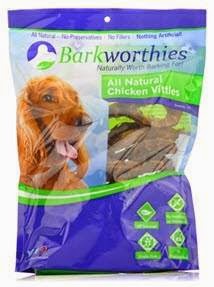
Barkworthies® Issues Nationwide Recall of Chicken Vittles Dog Chews

DOG TREAT RECALL!!!

These companies love to do recalls on holidays and weekends because they get swept under the rug:

http://www.barkworthies.com/recall


Barkworthies® Issues Nationwide Recall of Chicken Vittles Dog Chews

Consumer Contact: (877) 993-4257

FOR IMMEDIATE RELEASE ~ December 24th, 2014 ~ (Richmond, VA) 

Barkworthies of Richmond, VA is recalling select lots of Barkworthies Chicken Vittles dog chews because they have the potential to be contaminated with Salmonella. Salmonella can affect animals eating the products and there is risk to humans from handling contaminated pet products, especially if they have not thoroughly washed their hands after having contact with the products or any surfaces exposed to these products.

Healthy people infected with Salmonella should monitor themselves for some or all of the
following symptoms: nausea, vomiting, diarrhea or bloody diarrhea, abdominal cramping
and fever. Salmonella can result in more serious ailments, including arterial infections,
endocarditis, arthritis, muscle pain, eye irritation, and urinary tract symptoms. Consumers
exhibiting these signs after having contact with this product should contact their healthcare
providers.

Pets with Salmonella infections may be lethargic and have diarrhea or bloody diarrhea,
fever, and vomiting. Some pets will have only decreased appetite, fever and abdominal
pain. Infected but otherwise healthy pets can be carriers and infect other animals or
humans. If your pet has consumed the recalled product and has these symptoms, please
contact your veterinarian.

The recalled product was distributed nationwide beginning on May 6th, 2014. The product
can be identified by the Lot Code printed on the side of the plastic pouch. This product is
being recalled as it has the potential to be contaminated with Salmonella.


BARKWORTHIES CHICKEN VITTLES
Lot Code: 1254T1
Size: 16 oz. Plastic Pouch
Best Used by Date: May 2016
UPC: 816807011510


The recall was initiated after routine testing by the Colorado Department of Agriculture
revealed the presence of Salmonella in a single lot of the product. This batch tested
negative by a third party independent laboratory prior to release for distribution to
consumers. No additional products are affected by this recall. The company has received
no reports of illness in either people or animals associated with these products to date.
The recalled product should not be sold or fed to pets. For a full refund, pet owners should
return all unused product to their place of purchase along with a completed Product Recall
Claim Form available on the Barkworthies website www.barkworthies.com/recall.

More information on the recall can also be found at www.barkworthies.com/recall, or call
toll free (877) 993-4257 Monday through Friday 9:00 am to 5:00 pm (EST).


TIRED OF PET FOOD RECALLS?
Choose Life's Abundance Dog and Cat Food! They have NEVER been recalled and the food is shipped fresh to your door within 4-6 weeks of being made. They have been in business since 1999! Choose a pet food you can trust! This food is only sold online to ensure you receive the freshest food possible. Click Here to order.


Healthypet1
www.PremiumPetFoodStore.com