Monday, February 22, 2016

Does Coat Color Predict Feline Behavior?


Our companion animal’s coat colors, once only the concern of breeders, have now become the focus of research for other characteristics, including behavior. You may have heard reports that white coat color has been linked to deafness in both dogs and cats. Others have suggested a connection between coat color and aggressive behavior in some dog breeds. Now there’s some evidence of an association between feline behavior and coat color. But is there really anything substantial to this claim?

First, how do cats get their color? Coat-color pattern genes fall into four categories that control spotting, pigment intensity, orange and agouti color switching, and even patterns. Located on the X chromosome, several sex-linked genes are responsible for controlling fur color, such as orange and black. Female cats whose XX sex chromosomes have a genetic predisposition to orange and black fur display a patchwork coat, yielding what are commonly known as tortoiseshell coloring (affectionately referred to as “torties”). Other varieties of this include torbies (tortoiseshell tabbies) and calico mosaics. Male cats can have these coat colors, but only if they are an XXY, which makes male calicos and tortoiseshells extremely rare.

Researchers have also studied whether behavior can be inherited in the cat as well. A series of studies conducted in the 1980s to the 1990s showed that cats inherit some levels of sociability from their fathers. They noted that certain aspects of a kitten’s personality remain relatively constant throughout the first few years of life, suggesting a genetic predisposition to personality (Lowe and Bradshaw, 2001). Type of cat breed influences differences in interactions with humans, for example, Siamese cats are more demanding and vocal toward their pet parents when compared with other breeds (Turner and Bateson, 2000).

There are lots of reports about what cat lovers think about the behavior of their cats and how that relates to coat color. Orange cats are thought to be friendly (Delgado et al, 2012), some perceive black cats to be wild and unpredictable (Huntingford, 2009), and still others claim that tortoiseshells have a combination of stubbornness, independence, and unpredictability (Delgado, Munera, Reevy, 2012). Way back in 1895, veterinarians were quoted as saying torties were ‘not overly affectionate, sometimes even sinister, and most ill-tempered in disposition’ (Huidekoper, 1895). How rude!


Certainly, there are anecdotal reports of tortoiseshells and calicos being rather . . . shall we say . . . feisty, inspiring personality descriptors like ‘tortitude’ and ‘calico crazies’. However, due to the lack of actual research in this area, veterinary behaviorist Elizabeth Stelow and her team of researchers set out to determine whether coat-color can be truly linked to behavior in cats. The four-month survey disguised the fact that coat color was the primary subject, to avoid bias on the part of the responders. Over 1,400 pet parents filled out the survey, and the results just might surprise you!

Pet parents of kitties reported tortoiseshells, calicos, “torbies”, as well as black-and-white and gray-and-white cats, acted more frequently aggressive toward humans in three settings: during everyday interactions, during handling, and during veterinary visits. The researchers were surprised that gray-and-white and black-and-white cats were reported as more aggressive in these settings.

But keep in mind . . . the behaviorists did not independently observe any cats themselves, so the study was completely reliant on the self-reporting of the cats’ guardians. Furthermore, the respondents were people who might have had preconceived notions about their cat’s behavior. This factor could skew the results for the tortie or calico cats, but what about grey-and-white or black-and-white cats?

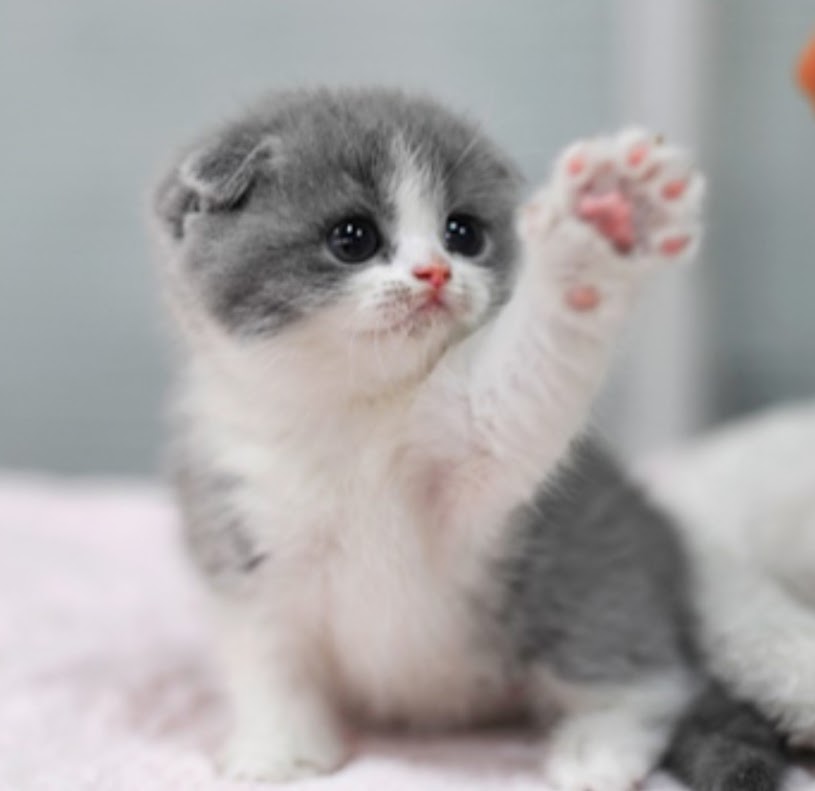


The study concluded that coat colors may be associated with aggressive behaviors in the cat but that the differences are actually relatively minor. These findings support some common assumptions about personalities associated with different cat color patterns, and can help people better understand their feline companions. Researchers also concluded that the subtlety of the results of this study suggests the need for additional research on the topic of the relationship between coat color and behavior. Anyone considering adopting a pet should pay attention to the behavior of each individual cat they meet, rather than making decisions about cats based on the coat color. I suppose one could honestly say, never judge a book by its color!


Regardless of your cat's coat color, feed them the best . . . natural, never-recalled premium cat food from Life's Abundance . . . delivered fresh to your door!


www.PremiumPetFoodStore.com


*    *    *    *    *    *    *    *

Article References

Elizabeth A. Stelow, Melissa J. Bain & Philip H. Kass (2015): The Relationship Between Coat Color and Aggressive Behaviors in the Domestic Cat, Journal of Applied Animal Welfare Science, DOI: 10.1080/10888705.2015.1081820

Amat, M., de la Torre, J. L. R., Fatjó, J., Mariotti, V. M., Van Wijk, S., & Manteca, X. (2009). Potential risk factors associated with feline behaviour problems. Applied Animal Behaviour Science, 121, 134–139.

Amat, M., Manteca, X., Mariotti, V. M., de la Torre, J. L. R., & Fatjó, J. (2009). Aggressive behavior in the English cocker spaniel. Journal of Veterinary Behavior: Clinical Applications and Research, 4, 111–117.

Bateson, W. (1894). Materials for the study of variation, treated with especial regard to discontinuity in the origin of species. London, England: MacMillan.

Becker, M. (2012). Is there a connection between markings and personality in cats? Retrieved from vetstreet.com/dr-marty-becker/is-there-a-connection-between-markings-and-personality-in-cats.

Dantas-Divers, L. M. S. (2011). Questions about coat color and aggression in cats (author response). Journal of the American Veterinary Medical Association, 239, 1288–1289.

Delgado, M. M., Munera, J. D., & Reevy, G. M. (2012). Human perceptions of coat color as an indicator of domestic cat personality. Anthrozoös, 25, 427–440.

Huidekoper, R. S. (1895). The cat: A guide to the classification and varieties of cats and a short treatise upon their care, diseases, and treatment. New York, NY: D. Appleton.

Huntingford, J. (2009). The color of a cat can determine their personality. Retrieved from petwellbeing.com/ blog/the-color-of-a-cat-can-determine-their-personality.

Kim, Y. K., Lee, S. S., Oh, S. I., Kim, J. S., Suh, E. H., Houpt, K. A. ... Yeon, S. C. (2010). Behavioural reactivity of the Korean native Jindo dog varies with coat colour. Behavioural Processes, 84, 568–572.

Kogan, L. R., Schoenfeld-Tacher, R., & Hellyer, P. W. (2013). Cats in animal shelters: Exploring the common perception that black cats take longer to adopt. Open Veterinary Science Journal, 7, 18–22.

Lowe, S. E., & Bradshaw, J. W. S. (2001). Ontogeny of individuality in the domestic cat in the home environment. Animal Behaviour, 61, 231–237.

McCune, S. (1995). The impact of paternity and early socialisation on the development of cats’ behaviour to people and novel objects. Applied Animal Behaviour Science, 45, 109–124.

Meier, M., & Turner, D. C. (1985). Reactions of house cats during encounters with a strange person: Evidence for two personality types. Journal of the Delta Society, 2, 45–53.

Podberscek, A. L., & Serpell, J. A. (1996). The English cocker spaniel: Preliminary findings on aggressive behaviour. Applied Animal Behaviour Science, 47, 75–89.

Reisner, I. R., Houpt, K. A., Erb, H. N., & Quimby, F. W. (1994). Friendliness to humans and defensive aggression in cats: The influence of handling and paternity. Physiology & Behavior, 55, 1119–1124.


Webb, A. A., & Cullen, C. L. (2010). Coat color and coat color pattern-related neurologic and neuro-ophthalmic diseases. Canadian Veterinary Journal, 51, 653–657.


Thursday, January 7, 2016

Cold Weather Safety Tips for Dogs


Exposure to winter’s dry, cold air and chilly rain, sleet and snow can cause chapped paws and itchy, flaking skin, but these aren’t the only discomforts pets can suffer. Winter walks can become downright dangerous if chemicals from ice-melting agents are licked off of bare paws. To help prevent cold weather dangers from affecting your pet’s health, please heed the following advice from our experts:
  • Repeatedly coming out of the cold into the dry heat of your home can cause itchy, flaking skin. Keep your home humidified and towel dry your pet as soon as he comes inside, paying special attention to his feet and in-between the toes. Remove any snow balls from between his foot pads.
  • Never shave your dog down to the skin in winter, as a longer coat will provide more warmth. If your dog is long-haired, simply trim him to minimize the clinging ice balls, salt crystals and de-icing chemicals that can dry his skin, and don’t neglect the hair between his toes. If your dog is short-haired, consider getting him a coat or sweater with a high collar or turtleneck with coverage from the base of the tail to the belly. For many dogs, this is regulation winter wear.
  • Bring a towel on long walks to clean off stinging, irritated paws. After each walk, wash and dry your pet’s feet and stomach to remove ice, salt and chemicals—and check for cracks in paw pads or redness between the toes.


  • Bathe your pets as little as possible during cold spells. Washing too often can remove essential oils and increase the chance of developing dry, flaky skin. If your pooch must be bathed, we recommend a moisturizing shampoo and/or rinse.
  • Massaging a non-toxic, pet safe paw protectant into paw pads before going outside can help protect from salt and chemical agents.Booties provide even more coverage and can also prevent sand and salt from getting lodged between bare toes and causing irritation. Use pet-friendly ice melts whenever possible.
  • Like coolant, antifreeze is a lethal poison for dogs and cats. Be sure to thoroughly clean up any spills from your vehicle, and consider using products that contain propylene glycol rather than ethylene glycol.


  • Pets burn extra energy by trying to stay warm in wintertime. Feeding your pet a little bit more during the cold weather months can provide much-needed calories, and making sure she has plenty of water to drink will help keep her well-hydrated and her skin less dry.
  • Make sure your companion animal has a warm place to sleep, off the floor and away from all drafts. A cozy dog or cat bed with a warm blanket or pillow is perfect.
  • Remember, if it’s too cold for you, it’s probably too cold for your pet, so keep your animals inside. If left outdoors, pets can freeze, become disoriented, lost, stolen, injured or killed. In addition, don’t leave pets alone in a car during cold weather, as cars can act as refrigerators that hold in the cold and cause animals to freeze to death.

* Portions of this article excerpted from the ASPCA General Pet Care

Tuesday, November 10, 2015

Blue Buffalo Company, Ltd. Voluntarily Recall of Kitty Yums


Recall -- Firm Press Release

Blue Buffalo Company, Ltd. Voluntarily Recalls Limited Production of Kitty Yums Chicken Recipe Cat Treats Due to the Presence of Propylene Glycol
FDA posts press releases and other notices of recalls and market withdrawals from the firms involved as a service to consumers, the media, and other interested parties. FDA does not endorse either the product or the company.

Blue Buffalo Company, Ltd. Voluntarily Recalls Limited Production of Kitty Yums Chicken Recipe Cat Treats Due to the Presence of Propylene Glycol


Consumers Contact:  Blue Buffalo 
 BlueBuffalo5883@stericycle.com
 888-667-1508

Cats reacting to high doses of propylene glycol may exhibit signs of depression and may have a loss of coordination, muscle twitching, and excessive urination and thirst. If your cat has consumed the recalled product and has these symptoms, please contact your veterinarian.
The affected product was distributed nationwide in the US and Canada through pet specialty stores and e-commerce.


The product is packaged in a 2 oz., plastic stand up pouch. Only these specific code dates of this product are involved:

Blue Kitty Yums Tasty Chicken Recipe, UPC: 859610007820 - Best If Used By: April 24, 2016.
Blue Kitty Yums Tasty Chicken Recipe, UPC: 859610007820 - Best If Used By: July 24, 2016.

No other BLUE pet foods or treats are involved in this recall.
The FDA tested product in response to a single consumer complaint and found propylene glycol in one bag of our cat treats in the impacted lot. To date we have had no other reports of incidents related to our cat treats. Out of an abundance of caution, we are voluntarily recalling all product manufactured in the same lot as the subject bag.
Consumers who have purchased the product being recalled may return it to the place of purchase for a full refund. Consumers with questions may contact Blue Buffalo at: 888-667-1508 from 8 AM to 5 PM Eastern Time Monday through Friday and the weekend of November 7, 2015 or by email at BlueBuffalo5883@stericycle.com for more information.


TIRED OF PET FOOD RECALLS?
Choose Life's Abundance Dog and Cat Food! They have NEVER been recalled and the food is shipped fresh to your door within 4-6 weeks of being made. They have been in business since 1999! Choose a pet food you can trust! This food is only sold online to ensure you receive the freshest food possible. Click Here to order.


Healthypet1
www.PremiumPetFoodStore.com


Wednesday, October 21, 2015

More Loveable . . . Not Less Adoptable!


Too often I hear about dogs and cats that are considered “less adoptable” due to their age, breed, perceived disability or even the color of their fur! Petfinder's “Adopt-A-Less-Adoptable-Pet-Week”, (which is celebrated the last week of September), is actually on a continuous mission to change minds and misperceptions about homeless pets. I still find it difficult to wrap my mind around the fact that black cats are still considered less adoptable mainly due to superstition, and that black animals in general are considered 'unlucky'.  Hard to believe considering it’s 2015. I have shared my home with many black cats, and dogs, and other black animals, in addition to a variety of colorful and wonderful pets, for most of my 53 years on this planet. For me, personally, I think all animals are gifts from God, as well as incredibly intelligent sentient beings.  However, there is something especially alluring about dark fur and big green eyes, or blue eyes, or hazel eyes . . . something magical and mystical about these beautiful animals, which is why I tend to gravitate towards them.  
Then it occurred to me that perhaps my readers may have a specific belief regarding “less adoptable” companion animals. If we all work together to share our stories about our pets and how amazing they are, regardless of perceived "imperfections" or "handicaps", I believe we can help dispel these myths and perhaps help increase the adoption rates of less fortunate animals who are in need of loving, forever homes.  If more potential adopters could see past the minor "imperfections", they could experience the delight of sharing their lives with pets that have so much love to give, and who show us their gratitude every single day.
Here are some of the categories of the pet population that are considered “less adoptable”, and the advantages of sharing your home with one or more of them:

www.Petfinder.com

Senior Pets
Kittens and puppies are adorable, but training can be labor intensive and not always ideal for people with busy schedules. When you adopt a senior pet, there are many advantages. There are no surprises with behavior issues or growth spurts . . . you know in advance what you’re getting. Senior pets generally have a longer attention span so often training is easier. In general, older felines are more patient with other pets and children in the household. And finally, senior companion animals are often a perfect match with senior citizens. The companionship of an older dog or cat can provide much-needed friendship and interaction for seniors who live alone. I have started a foundation called Senior Pet Project, whose mission is 'Working to Keep At-Risk Senior Pets Out Of Shelters & Finding Them Loving Forever Homes . . . ♥ '.  Won't you please make a generous donation today? www.SeniorPetProject.org  ♥

Black Animals
Dark colored dogs and cats are much harder to place than their lighter colored counterparts. Yes, superstition plays a role when it comes to black cats. Actually, some shelters and rescues will not adopt out black cats during the Halloween season, for fear that some harm might come to them. However, there may be other factors that come into play. I recall an article I read awhile back stating that lighter colored animals stand out more in a crowd. So, when future pet parents go to a shelter to choose a pet, they see the lighter, more brightly colored pets first. The next time you find yourself looking to adopt, don’t forget to look very carefully at all of the animals because choosing the darkest pet could brighten your life for many years to come.

Misunderstood Breeds
American Pitbull Terriers, American Staffordshire Terriers and Staffordshire Bull Terriers and similar mixed breeds are often referred to as Pit Bulls. Many disreputable people have exploited Pit Bull types, training them to be aggressive and to fight. As a result, Pit Bulls top the list as the most euthanized dog in the country. Actually, these breeds are loyal and generally good with children. In the UK, they were known as “nanny” dogs in the 19th century. There are other misunderstood dog breeds that are harder to place including larger dogs like Rottweilers, German Shepherds, Doberman Pinschers, Chow Chows and others. In my capacity as an animal welfare & animal rights activist, adoption advocate, as well as fundraiser & awareness proponent, I have had a lot of personal experience with several of these breeds and have nothing but positive things to report. The success stories regarding adoptions and the incredibly loving relationships pet parents have with these misunderstood dog breeds far outweigh the few unfortunate incidents that occur, and that are sensationalized by the media. Has anyone else noticed the pattern of demonizing a certain breed in each decade? In the '70s they blamed Dobermans, in the '80s they blamed German Shepherds, in the '90s they blamed Rottweilers. Now they blame the Pit Bull. When will they wake up to reality and blame the humans?

Medical Challenges
Finally, there are the dogs and cats with chronic medical problems, often as a result of abuse or misfortune. Some common disabilities include animals who are blind, deaf or may be missing a limb. In many cases, pets with disabilities are not harder to care for than those that are completely healthy. However, sometimes pet parents may need to devote more time, patience, and veterinary care to these pets. Rest assured, medically-challenged companion animals can enjoy happy and fulfilling lives with the right families and they can give back so much more than they receive.


Senior Dog

If you have welcomed a “less adoptable” pet into your home and experienced the love and affection of these special animals, won't you please help me spread the word?!

* Portions of this article excerpted from the Life's Abundance Blog.

Tuesday, October 20, 2015

A Closer Look at Pet Anxiety & How to Treat It Holistically!


As pet parents, we are all vaguely aware that we should minimize the stress our pet kids experience. As a holistic pet consultant, I think it is important that we also comprehend the health risks of prolonged anxiety, too. The fact is, living in a fearful or anxious state for long periods of time can take a dramatic toll on the health of a companion animal.
Any time your pet feels endangered, whether the threat is real or imagined, the body prepares to defend itself by unleashing a torrent of stress hormones, including cortisol and adrenaline, that have far-reaching effects on the whole body. These hormones release energy, increasing respiration while inhibiting digestion, the immune system, growth, reproduction and even pain perception. These hormones also decrease blood flow to areas of the body that are necessary for movement. This is appropriate for survival in a real crisis, but when fear, anxiety or stress continues chronically, negative health effects are a real possibility. These effects could include fatigue, hypertension, gastrointestinal problems, skin disease, as well as metabolic and immune problems. You might be surprised to know that pets can manifest many of the same conditions that we do!
Chronic anxiety and stress can even cause permanent damage to the brain. We know that animals staying in shelter facilities are at increased susceptibility to infectious diseases, including upper respiratory tract infections, litterbox problems, hair loss, and bladder inflammation. And that’s nothing compared to the extreme duress of prolonged fear experienced by dogs in puppy mills! We can see the effects of stress on dogs when they exhibit signs of stress colitis, an inflammatory GI condition that causes diarrhea - often seen after boarding, veterinary visits, or grooming. Stressed dogs suffering from separation anxiety can also be destructive, chewing carpet, baseboards, or scratching up doors. Dogs that are chronically stressed can lick themselves raw, creating skin conditions like lick granulomas.
Apart from the mental and physical distress, stress hormones also imprint any fearful situation firmly in your pet’s memory as something that was scary and life-threatening. These feelings can be recalled from something as seemingly innocuous as pinpricks from a vaccine needle, a person wearing a lab coat or the sight of nail clippers. Any memory of frightening situations can prove to be a powerful fear stimulus. When your companion animal encounters a similar sort of situation, the stress hormones are released and the fear cycle resumes all over again.
The effects of fear and anxiety can be profound and highly distressing. We need to recognize fear in our pets, do more to decrease their fear when possible, and prevent fear by associating potentially fearful situations with positive stimuli. As you can see, dogs and cats who demonstrate pathologic levels of fear or anxiety need our help, not only for their emotional well-being but their physical well-being, too!

Ask us about using 100% pure, therapeutic-grade essential oils formulated specifically for animals in our Animal Scents collection. Log onto:

www.NaturalLivingEssentialOils.com 

and search Product Categories for "Pets" to see our line of essential oils and essential oil- infused pet products. 


Animal Scents Care Collection (sold individually)


Individual Oils from the Animal Scents Care Collection


Tuesday, October 13, 2015

The Inside Scoop On Homemade Pet Food ~ by Dr. Jane Bicks


If you’re reading this, chances are it’s not the first time you’ve given some degree of thought to the concept of a homemade pet diet. Whether you regard this topic with interest or with repulsion, a series of pet food recalls combined with the ‘foodie’ movement have resulted in growing discussion among pet parents about the costs and benefits of becoming a personal chef for one’s pet kids.
So, what are some of the reasons pet parents turn to making their own pet food? While motivations can be deeply personal, they commonly fall into these categories:
1. Your veterinarian-prescribed food that your pet kid won’t eat
2. You have made specific dietary choices and want to extend them to your animal family members
3. You only trust food which comes out of your kitchen
4. You are hoping to alleviate the symptoms or severity of a medical diagnosis
5. You are ambivalent about commercial pet food and curious to see if you could get better results
6. A belief that you could save some money
While these questions provide some food for thought, motivation alone is not an assurance of health and wellbeing for pet kids. When deciding what to feed their companion animals, pet parent’s choices must be backed up by expertise and solid knowledge. So, what actually does go into the decision to take the plunge into homemade pet food?
Pet Parent Education: Intensive
In the era of Pinterest, there are loads of DIY pet food recipes and enthusiastic testimonials. Some of these recipes give the appearance of being well-balanced and reasonably easy, and may even have a cute name.
But chances are the vast majority of these will not provide pets with the nutrition they need. In an independent 2013 study of 200 homemade adult dog food recipes gathered from the internet, cookbooks and veterinarians, only five (2.5%) of them were nutritionally balanced. All five balanced recipes had come from veterinarians with advanced training in nutrition.
The takeaway here is that it is critical to involve a holistic or integrative veterinarian and/or a veterinary nutritionist to ensure the nutritional needs of your furry kid are being met.
Cost Analysis: Moderate - Intensive
If the financial bottom line is a priority, time should be spent doing an analysis of the daily cost to feed pet kids a balanced diet. With a quality recipe in hand, pet parents can take to the internet and local grocery stores to estimate the cost of the homemade meal before ever investing in buying the ingredients. The cost of any special equipment, like a meat grinder or food processor, and food storage containers, should also be factored in.
Ingredient Sourcing: Intensive
A balanced recipe from a qualified Veterinary Nutritionist is sure to include proteins, carbohydrates and a list of added vitamins and other nutritional supplements. As with any consumable product, there is great variation in the quality of all of these ingredients as well as variation in what is appropriate for different species. What many fail to realize is that improperly balanced nutrients can actually lead to a host of disease states, essentially creating toxicity within the body. To ensure maximum benefit, be certain that your nutritionist is explicit about cuts of meat and which supplements to purchase, and ensure that all of these questions are addressed:
~ What form should each supplement be in; liquid or powder? 
~ What source is okay for each supplement; synthetic, natural, purified, etc.?
~ Are there certain varieties of supplements that should be avoided; Cod Liver Oil or ~ Krill Oil vs. Fish Oil? 
~ Are your personal dietary requirements being met; grain free or vegetarian?
~ Which cuts of meat are optimal, acceptable and should be avoided; white meat, dark meat, lean or fat?
Food Preparation & Storage: Moderate – Intensive
If you’ve ever done batch cooking for your human family, you’ll have an idea what it’s like to make your own pet food. This exercise takes advance planning, time management, practice and possibly endurance depending on how large a batch is being made.
This time commitment will vary by recipe, quality of equipment being used, size of the batch being prepared, and with fine tuning over time.
Food Serving: Minimal
Home prepared foods are refrigerated or frozen and may require warming to room temperature to serve. At issue here is the commitment to the frequency of this task more so than the amount of time required.
Given the level of difficulty in preparing home meals, and the expertise to get the formulas right every time, this probably isn’t a viable option for most pet parents. If you’re seeking holistic nutrition plus convenience and value, I urge you to consider the premium nutrition offered by any of our Life’s Abundance pet foods.
Thank you for all you do to make the world a better place for companion animals.

TIRED OF PET FOOD RECALLS?

Choose Life's Abundance Dog and Cat Food! They have NEVER been recalled and the food is shipped fresh to your door within 4-6 weeks of being made. They have been in business since 1999! Choose a pet food you can trust! This food is only sold online to ensure you receive the freshest food possible. Click Here to order.


Healthypet1
www.PremiumPetFoodStore.com

Monday, October 12, 2015

K-9 Kraving Dog Food Has Announced a Voluntary Recall

Recall -- Firm Press Release


FDA posts press releases and other notices of recalls and market withdrawals from the firms involved as a service to consumers, the media, and other interested parties. FDA does not endorse either the product or the company.


K-9 Kraving Dog Food Has Announced a Voluntary Recall of Their Chicken Patties Dog Food Shipped Between July 13th - July 17th, 2015 Because The Product May Be Contaminated With Salmonella and Listeria monocytogenes


Consumer Contact:  1-800-675-1471

FOR IMMEDIATE RELEASE – October 2, 2015 – Baltimore, MD – K-9 Kraving Dog Food has announced a voluntary recall of their Chicken Patties Dog Food shipped between July 13th - July 17th, 2015 because these products may be contaminated with Salmonella and Listeria monocytogenesSalmonella and Listeria monocytogenes can affect animals eating the products and there is risk to humans from handling contaminated pet products, especially if they have not thoroughly washed their hands after having contact with the products or any surfaces exposed to these products.


Healthy people infected with Salmonella and Listeria monocytogenes should monitor themselves for some or all of the following symptoms: nausea, vomiting, diarrhea or bloody diarrhea, abdominal cramping and fever. Rarely, Salmonella andListeria monocytogenes can result in more serious ailments, including arterial infections, endocarditis, arthritis, muscle pain, eye irritation, and urinary tract symptoms. Consumers exhibiting these signs after having contact with this product should contact their healthcare providers.
Pets with Salmonella infections may be lethargic and have diarrhea or bloody diarrhea, fever, and vomiting. Some pets will have only decreased appetite, fever and abdominal pain. Infected but otherwise healthy pets can be carriers and infect other animals or humans. If your pet has consumed the recalled product and has these symptoms, please contact your veterinarian.
The affected product was distributed to retail stores only in Maryland. No other K-9 Kraving Dog Food products are affected.
No illnesses have been reported to date. Even though no illnesses have been reported, consumers should follow the Safe Handling Instructions printed on the K-9 Kraving Dog Food package when disposing of the affected product.
K-9 Kraving Dog Food became aware of a potential issue after receiving notification from the FDA that a routine surveillance sample of Chicken Patties tested positive for Salmonella and Listeria monocytogenes.
Consumers feeding the affected product should discontinue use and monitor their pet's health, and contact their veterinarian if they have concerns. Consumers who purchased the product can obtain a full refund or exchange by either returning the product in its original packaging or bringing a proof of purchase back to their retailer.
Consumers with additional questions can call our Consumer Relations team at 1-800-675-1471 from 8:00 a.m. to 3:00 p.m., Monday through Friday, EST.
Robert Barrett, Chief Executive Officer of K-9 Kraving Dog Food, stated, “At K-9 Kraving Dog Food we take quality and safety very seriously. We believe that under all circumstances, health and safety comes first, and we are committed to providing the best possible nutrition for pets.”

TIRED OF PET FOOD RECALLS?
Choose Life's Abundance Dog and Cat Food! They have NEVER been recalled and the food is shipped fresh to your door within 4-6 weeks of being made. They have been in business since 1999! Choose a pet food you can trust! This food is only sold online to ensure you receive the freshest food possible. Click Here to order.


Healthypet1
www.PremiumPetFoodStore.com